
Battery vs. Wired GPS Trackers
Battery vs Wired GPS Trackers for Trailers, Equipment & Fleet Vehicles
Battery-powered GPS trackers are often the right choice for trailers and unpowered assets, while wired GPS trackers are often the better fit for vehicles and powered equipment. This guide helps you choose the right tracker based on power availability, reporting needs, installation requirements, and asset type.
How to Choose Between Battery and Wired GPS Tracking
The right GPS tracker depends first on one practical question: does the asset have reliable power available? Battery-powered trackers work best when wiring is not practical or power is not available. Wired trackers work best when the asset has dependable electrical power and needs ongoing visibility with more frequent updates.
For many businesses, this comes down to asset type and operating conditions. Trailers, containers, and unpowered equipment often benefit from battery-powered tracking because installation is faster and power is not required. Fleet vehicles, service trucks, and powered equipment usually benefit from wired tracking because the device can stay powered continuously and report more often.
Battery-powered trackers are commonly used for equipment, trailers, and other unpowered assets. See our best GPS tracker for equipment guide for real-world examples.
Not sure if a plug-in or installed tracker is right for your vehicles? See our guide on hardwired vs OBD GPS trackers to compare installation methods for fleet vehicles.
Battery vs Wired GPS Trackers
Battery-powered GPS trackers are usually the better choice for trailers and unpowered assets. Wired GPS trackers are usually the better choice for fleet vehicles and powered equipment.
The right fit depends on power availability, installation preferences, and how often you need location updates. Use the chart below to compare the two approaches side by side.
| Comparison Point | Battery-Powered GPS Trackers | Wired GPS Trackers |
|---|---|---|
| Best Fit | Trailers, containers, and unpowered equipment | Fleet vehicles, service trucks, and powered equipment |
| Power Source | Internal battery with no external power required | Connected to the vehicle or equipment electrical system |
| Installation | Fast deployment with no wiring | Requires installation into a power source |
| Reporting Style | Reporting is managed to balance visibility and battery life | Supports more frequent updates and continuous operation |
| Deployment Speed | Easier to roll out across mixed assets | Better for long-term installed tracking programs |
| Placement Flexibility | More flexible when wiring is not practical | More fixed because installation follows the power system |
| Maintenance | Requires battery replacement or recharge over time | Less battery maintenance but depends on a healthy power connection |
| Typical Use Pattern | Best for assets that sit, move intermittently, or lack reliable power | Best for assets used regularly with dependable power available |
Which Type Is Better for Your Use Case?
-
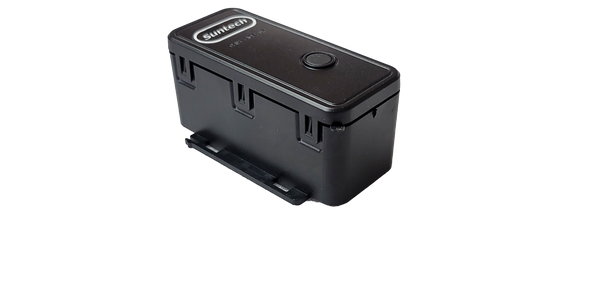
Battery-Powered GPS Trackers Are Best For
Battery-powered GPS trackers are usually the better choice for trailers, containers, portable assets, and unpowered equipment. They install faster, avoid wiring, and work well where power is limited or unavailable.
They are especially useful for mixed fleets, job sites, leased assets, and intermittent-use equipment where quick deployment matters more than permanent installation.
Battery-powered GPS trackers can last months or even years depending on reporting frequency and usage. For a deeper breakdown, see our GPS tracker battery life guide.
Common Fits
- Trailers
- Containers
- Unpowered equipment
- Portable assets
- Temporary deployments
- Leased equipment
-

Wired GPS Trackers Are Best For
Wired GPS trackers are usually the better choice for fleet vehicles, work trucks, vans, and powered equipment. They stay powered continuously and support stronger day-to-day visibility.
They are a better fit when frequent reporting, permanent installation, and regular fleet activity matter more than deployment speed.
Common Fits
- Fleet vehicles
- Service trucks
- Work vans
- Powered equipment
- Daily-use commercial assets
- Permanent fleet installations
What Matters Most When Comparing Battery and Wired GPS Trackers
Power Availability
If the asset does not have reliable power, battery-powered tracking is usually the right answer. This is often the deciding factor for trailers and unpowered equipment.
Movement Pattern
Assets that move occasionally often fit battery-powered tracking well. Vehicles and equipment used throughout the day usually fit wired tracking better.
Deployment Speed
Battery-powered trackers are easier to roll out quickly across mixed assets. Wired trackers take more effort upfront but create a more permanent solution.
Reporting Needs
Wired trackers are usually better when frequent updates matter. Battery-powered trackers work well when longer runtime matters more than constant reporting.
Security Strategy
Battery-powered trackers offer flexible placement on assets without wiring. Wired trackers offer a fixed installation for powered vehicles and equipment.
Total Cost of Ownership
Battery-powered tracking can reduce installation effort. Wired tracking can reduce battery service needs. The better value depends on the asset and how it operates.
Frequently Asked Questions