
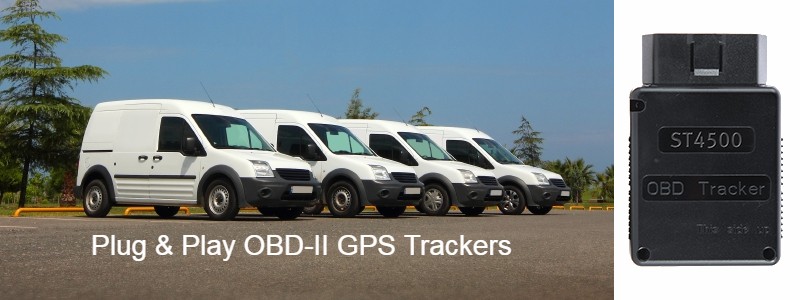
OBD2 Plug-In GPS Tracking Guide
Deploy real-time vehicle tracking in seconds with plug-in GPS devices that connect directly to your vehicle’s OBD-II port—no wiring, no downtime, and immediate visibility.
What Is Plug & Play GPS Tracking?
Plug & play GPS tracking devices connect directly to a vehicle’s OBD-II port, allowing instant installation with no wiring or downtime. In most modern fleets, plug-in tracking and OBD2 GPS tracking refer to the same type of device.
For businesses managing vehicles, equipment, or mobile teams, this means immediate access to real-time location data, route history, and vehicle activity—helping improve efficiency, accountability, and operational control.
How OBD2 GPS Tracking Works
Vehicles manufactured since 1996 include an OBD-II port, typically located under the dashboard. Plug-in GPS trackers connect to this port and begin transmitting location data immediately.
- Plug the tracker into the OBD-II port
- No tools or installation required
- Device powers directly from the vehicle
- GPS location is transmitted to the tracking platform
- View vehicles in real time via desktop or mobile
Ready to compare available devices? Explore our plug-in OBD2 GPS trackers for cars, pickup trucks, and commercial vehicles.
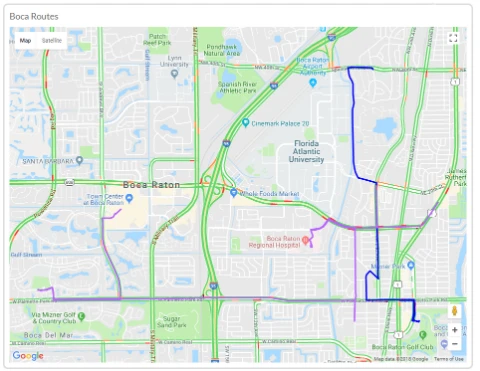 Real-time vehicle tracking with plug-in GPS devices
Why Businesses Use OBD2 GPS Tracking
- Real-time visibility: Know where every vehicle is and where it has been
- Faster dispatching: Send the closest vehicle to the next job
- Improved accountability: Monitor routes, stops, and activity
- Operational efficiency: Reduce wasted time and mileage
- Theft recovery support: Locate vehicles quickly if needed
OBD2 GPS tracking isn’t just about knowing where vehicles are—it’s about gaining the insight needed to improve efficiency, accountability, and overall fleet performance.
Improve Fleet Efficiency and Reduce Costs
GPS tracking provides clear visibility into vehicle usage, routes, and activity, allowing businesses to make smarter operational decisions.
- Optimize routes and reduce travel time
- Minimize idle time and unnecessary stops
- Improve scheduling and dispatching
- Reduce labor and operational costs
OBD vs Hardwired GPS Trackers
| Feature | OBD2 GPS Tracking | Hardwired GPS Tracking |
|---|---|---|
| Installation | Plug-in, seconds | Installed into vehicle wiring |
| Downtime | No downtime | Requires installation time |
| Visibility | Visible under dashboard | Hidden installation |
| Portability | Move between vehicles | Fixed installation |
| Best Fit | Quick deployment, leased vehicles, trials | Permanent installs, covert tracking |
Need a hidden or permanent solution? Compare hardwired GPS trackers.
Best Uses for Plug-In GPS Tracking
Service Fleets
Track technicians and improve dispatch efficiency.
Delivery Vehicles
Monitor routes, stops, and vehicle activity.
Leased Vehicles
No permanent installation required.
Trial Deployments
Test tracking before full rollout.
Plug & Play GPS Tracking FAQs
What is a plug-in GPS tracker?
A plug-in GPS tracker connects to a vehicle’s OBD-II port and provides real-time tracking without installation.
Do OBD GPS trackers require installation?
No. They plug in directly and begin working immediately.
Are plug-in GPS trackers good for fleets?
Yes. They are ideal for fast deployment, leased vehicles, and flexible fleet tracking.