

GPS Trackers for Small Businesses: Boosting Security and Operations
For many small businesses, a couple of vans, a few work trucks, or a yard full of equipment represent a significant share of the company’s value. When those vehicles and assets are in motion, a mix of questions is always in the background. Where is everything right now? Are drivers on schedule? Has a trailer been left on site longer than planned?
GPS tracking helps answer those questions straightforwardly. With the proper setup, you can view the location of vehicles and equipment, track trips in real-time, and review movement history when issues arise. GPS tools are no longer reserved for huge fleets. They now support minimal operations as well, from a three-van HVAC business to a local landscaping crew.
Why GPS Tracking Matters for Small Businesses
Here’s why GPS tracking is essential for small businesses-
The Everyday Challenges of Managing Vehicles and Assets
Small business owners wear many hats. One minute you are booking jobs, the next you are trying to work out where a driver is, or whether a trailer is still at yesterday’s site. Without clear visibility, you are often relying on phone calls, text messages, and guesswork.
Vehicle tracking for small business owners is about reducing that uncertainty. If you run delivery routes, service calls, or on-site work, knowing the real-time location of your vans or trucks makes scheduling easier. You can give customers honest arrival times instead of vague windows. You can see if someone is stuck in traffic or if a job is taking longer than expected.
Where GPS Fits Into Security and Workflow
GPS is just as valuable for equipment as it is for vehicles. Asset tracking for small business setups often focuses on trailers, containers, generators, rental items, and other movable gear. These are the things that tend to “walk away,” get left behind, or move between sites without a clear record.
With GPS in place, a dispatcher or owner can open a single map view and see the whole picture instead of chasing updates over the phone.
Understanding GPS Basics Before You Choose a System
It is essential to know GPS basics to choose a system that is best suited to the requirement-
How Does a GPS Tracker Work in Simple Terms?
You don't need to be a technician to understand how GPS tracking works. A small device receives signals from satellites orbiting the Earth. From those signals, it calculates its position, then sends that location to a server using cellular or satellite communication.
On your side, you log into a web portal or mobile app. There you can see the positions of all your devices on a map, along with basic details such as speed, direction, and time. Most systems also store history, allowing you to replay trips or check the location of a vehicle or asset at a specific time.
How Can I Use GPS in a Small Business Setting?
When owners ask, “How can I use GPS in my business, the options are usually broader than they expect. A plumbing company can track vans on the way to service calls. A catering business can watch deliveries to venues. A construction company can track trailers, generators, and job site equipment. An events company can follow stages, lighting rigs, or rental gear as it moves from location to location.
Main Types of GPS Solutions Small Businesses Use
When people discuss different types of GPS in this context, they are usually referring to the system's configuration rather than the various satellite networks that comprise it.
Some setups use dedicated trackers in vehicles and assets, with all data flowing into a central fleet platform. Others rely partly on mobile apps that run on phones, which can be enough for solo operators or tiny teams.

GPS Trackers for Vehicles: Getting Control of Your Fleet
Here’s how a GPS tracking system can help you get better control over your fleet-
Vehicle Tracking for Small Business Owners With a Few Vehicles
Even if you only have two or three vehicles, a proper tracking system can make a noticeable difference. Vehicle tracking for small business operations helps you determine whether your drivers are taking the most efficient routes, how long they spend on each job, and whether they are heading to the correct location at the right time. GPS tracking enables you to respond quickly, send updates, and adjust routes throughout the day.
Choosing the Best GPS Fleet Tracking for Small Business
When owners seek the best GPS fleet tracking solution for their small business, they often focus solely on cost. Price matters, but it should not be the only factor. For small operations, ease of use is just as important. Setup should be manageable without an internal IT department, and support should be reachable when something goes wrong.
GPS Tracker for Commercial Vehicles: Compliance and Customer Service
If your company operates larger vans, trucks, or other heavy vehicles, a GPS tracker for commercial vehicles can also aid in compliance and safety. You gain accurate logs of movement, rest periods, and routes taken. Such a record can be helpful in the event of incidents, inspections, or disputes.
Hardware Options: Hardwired vs Battery-Powered and Portable Units
The following are the different types of GPS tracker systems and their purpose-
When to Use a Hardwired GPS Tracker
A Hardwired GPS Tracker is installed directly into a vehicle’s electrical system. It draws power from the car, so it does not require recharging. That makes them a strong choice for delivery vans, service trucks, and any other vehicles that are central to how your business runs.
When a Battery-Powered GPS Tracker Fits Better
In some cases, a battery-powered GPS tracker makes more sense. Battery units can be attached with magnets, brackets, or adhesive and moved between vehicles or assets as needed. This flexibility suits seasonal work, rotating fleets, or equipment that only needs tracking during specific projects.
Portable GPS Trackers for Short-Term and Mixed Use
Portable GPS trackers sit somewhere between permanent installations and single-use devices. They are compact, self-contained units that can easily shift between jobs. You might place them in a rental van for a big event, attach them to a shipment of high-value goods, or use them to watch a specific piece of equipment that is at higher risk of theft.
Asset Tracking GPS: Protecting Tools, Equipment, and Inventory
Here is how an asset tracking GPS helps your business-
What Is a GPS Asset Tracker and When Do You Need One?
A GPS asset tracker is designed to track valuable items that are not driven, such as those used in regular vehicles. This includes trailers, containers, generators, mobile equipment, and large rental items. These assets are deployed to job sites, event locations, or customer premises and may remain there for days or weeks.
Asset Tracking for Small Business Use Cases
Many sectors can benefit from asset tracking for small business operations. A construction company might follow tool trailers and mobile machinery. A landscaping business might track mowers and trailers left on client property. An event rental company could monitor stages, sound systems, and lighting rigs that are constantly in motion.
Fleet Asset Tracking for Mixed Vehicles and Equipment
When you combine vehicle and asset tracking in one platform, you move into the territory of fleet asset tracking. You can pair cars with the right assets, avoid sending an empty trailer across town, or confirm that the correct equipment is heading to the correct site. For small businesses that juggle both vehicles and equipment, this joined-up view is often where GPS really starts to earn its place.
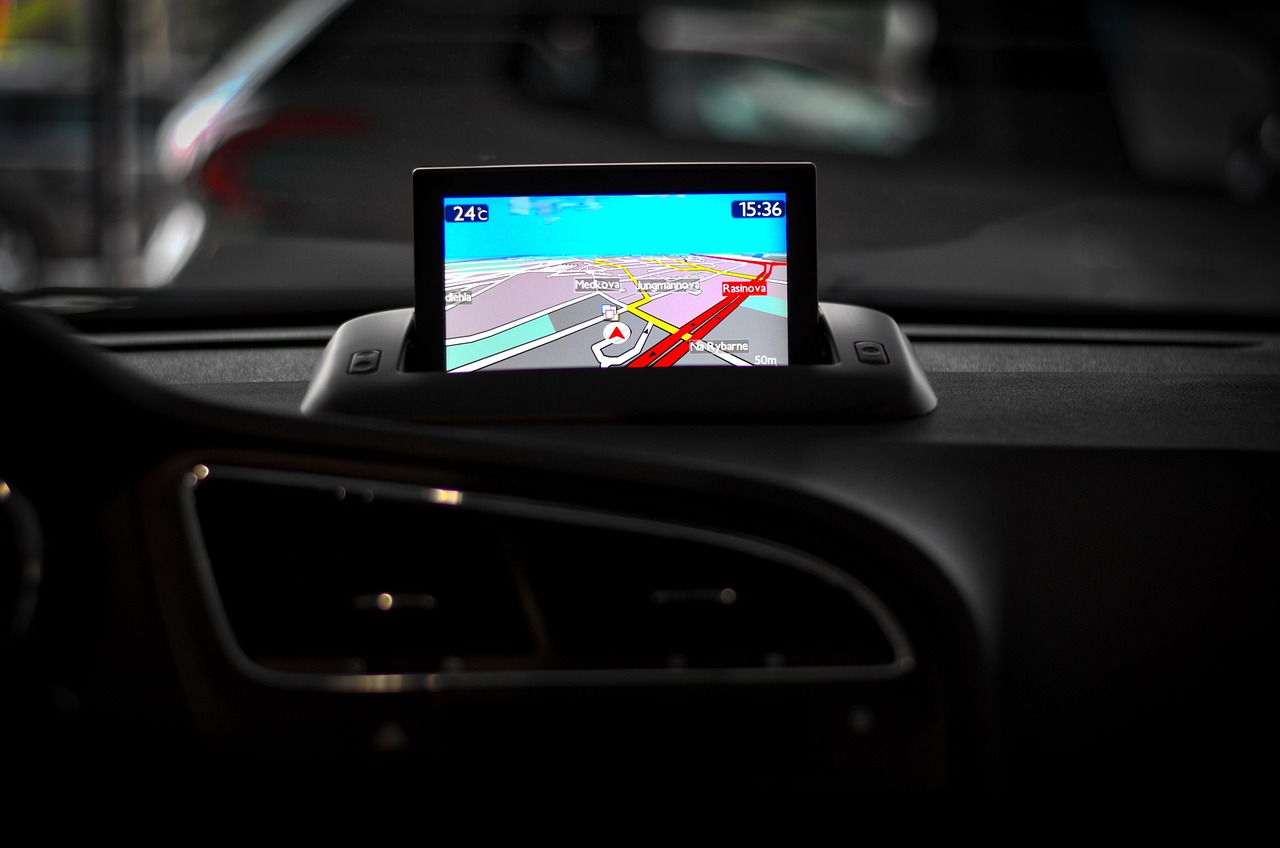
Real-Time GPS Tracking: From Map View to Action
Real-time GPS tracking is another practical choice for small businesses. Here’s how-
GPS Tracker With Real-Time Movement: Why Live Data Matters
A GPS tracker with real-time movement typically sends frequent updates, allowing you to see a vehicle or asset moving across the map as it happens. Real-time data enables you to reroute drivers around traffic jams, assign the nearest technician to an urgent job, and promptly answer customer questions about arrival times without needing to contact the driver.
Dash Cam With GPS: Adding Video to Your Tracking Setup
A dash cam with GPS adds context to location data. You can see where a vehicle was and what was happening on the road simultaneously.
This combination supports driver coaching, accident investigation, and protection from false claims. In the event of an incident, you have both the footage and the trip record to refer to for reference. For small businesses operating in busy or high-risk environments, this additional layer of information can make a significant difference when dealing with insurers or resolving disputes.
How Small Businesses Can Put GPS Data to Work
Dispatching and Route Planning With Live Locations
Once GPS trackers are installed, the question becomes how to utilize the stream of data effectively. For dispatchers, live maps make it simpler to decide who should take the next job. Instead of assigning tasks unthinkingly, you can send the closest available vehicle, reduce backtracking, and avoid sending someone across town when another driver is already nearby.
Security and Theft Response
From a security perspective, GPS provides both deterrence and response capabilities. Knowing that vehicles and assets are tracked may discourage casual theft or misuse. If something is still taken, tracking provides a starting point for recovery, rather than leaving you to guess.
Using GPS Reports to Improve Operations Over Time
The real power of GPS comes with regular review. Weekly or monthly reports reveal patterns that are not immediately apparent in day-to-day operations. You can identify vehicles that remain unused, routes that consistently overrun, or assets that frequently transfer between sites.
Costs, Setup, and Common Concerns for Small Businesses
Typical Costs and What You Get in Return
Most GPS systems follow a simple model: you acquire devices and pay a monthly subscription for tracking and software access. For small businesses, the key is to view this as one more tool that should pay for itself. Savings can be achieved through reduced theft, improved utilization of vehicles and assets, fewer wasted trips, and more efficient customer service.
Addressing Privacy Questions and Staff Concerns
Employees will have questions when you install GPS, and those questions deserve straight answers. Be transparent about what is tracked, when tracking is active, and how the data will be used. Focus on safety, fairness, and reliability rather than control.
Avoiding Technical Headaches
The setup does not need to be complicated. Choose a provider that clearly explains installation, offers support, and provides software that is approachable for non-technical staff. Decide in advance who will manage devices, handle batteries for portable units, and review alerts. A bit of planning keeps the system running smoothly.
Putting It All Together: Choosing the Right GPS Setup for Your Business
Match Your GPS Tools to Your Size and Industry
There is no single right way to set up GPS tracking. A solo electrician with one van might start with a single Hardwired GPS Tracker and a simple dashboard. A growing landscaping company might combine a couple of wired units with a handful of battery-powered GPS tracker devices on trailers and mowers. An event rental firm might lean heavily on Portable GPS trackers that move constantly between trucks and gear.
Checklist for Getting Started
If you are considering GPS for the first time, it helps to move through a short sequence:
- List the vehicles and assets you want to track and rank them in order of importance.
- Decide whether each one suits a wired device, a battery-powered unit, or a portable tracker.
- Consider who needs access to the tracking platform and what information they require.
- Draft a short policy that explains how tracking works and share it with staff.
- Start with a small group of devices, run them for a few weeks, and adjust your settings based on the insights you gain.
From First Device to a Full Tracking System
Many small businesses start with just one or two trackers. Once they see the value in real data and clear visibility, they gradually add more devices and bring additional vehicles and assets into the system.
FAQ
1. Do small businesses really need GPS tracking, or is it only for big fleets?
GPS tracking is highly effective, even for fleets with only one to five vehicles or a few high-value assets. GPS provides clear visibility of your vehicles and equipment, helps you give accurate ETAs, and makes it easier to respond when something goes wrong.
2. What is the difference between hardwired, battery-powered, and portable GPS trackers?
A hardwired GPS tracker is installed directly into a vehicle’s electrical system, drawing power from it, which means minimal day-to-day upkeep and a steady stream of data. A battery-powered GPS tracker operates independently on its internal battery and is ideal for leased vehicles, trailers, or equipment that cannot be wired for power. Portable GPS trackers are self-contained units you can move between cars or assets as needed.
3. How much technical skill is required to set up GPS tracking for a small business?
Most modern GPS systems are designed with non-technical users in mind. Installing a hardwired unit typically requires a professional or someone experienced in working with vehicle wiring. However, once installed, day-to-day use is facilitated through a web portal or app that is straightforward to learn. Battery-powered and portable trackers are typically easier to install and activate.
Recent Posts
-

How to Choose Between a standalone GPS tracker and a GPS phone app
You’re trying to track something important, and the options feel deceptively simple. Do you buy a de …Jan 23rd 2026 -
The Pros and Cons of GPS Trackers with Real-Time Tracking
Real-time tracking in vehicle and asset monitoring means the location of a car, truck, or piece of e …Jan 16th 2026 -

Using GPS Trackers to Monitor Employee Performance
Field teams, drivers, and mobile crews are often the face of your business. They meet customers, del …Jan 5th 2026