
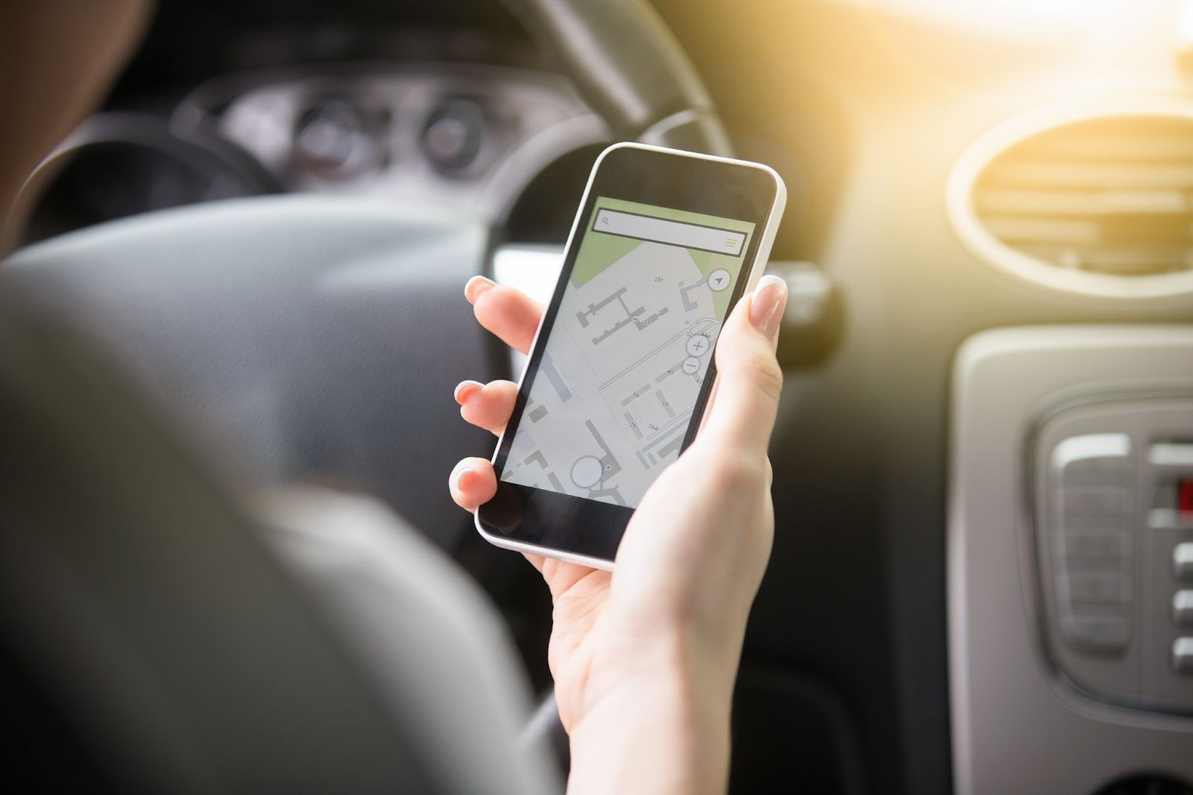
How to Choose Between a standalone GPS tracker and a GPS phone app
You’re trying to track something important, and the options feel deceptively simple. Do you buy a dedicated GPS tracking device, or do you use a GPS phone app and consider it good enough? The honest answer is that both can work, but they don’t behave the same once real life gets involved. Phones run out of battery, apps get closed, and settings change. Dedicated trackers cost more upfront, but they’re usually steadier and easier to depend on. In this guide, we’ll compare reliability, update speed, and the real story behind GPS tracker accuracy and costs. We’ll also clarify the financial side by looking at GPS tracker costs vs. the app and the ongoing GPS tracker subscription versus app question, so you can choose with confidence.
Quick Reality Check- What You’re Actually Buying
What a GPS tracking device really is
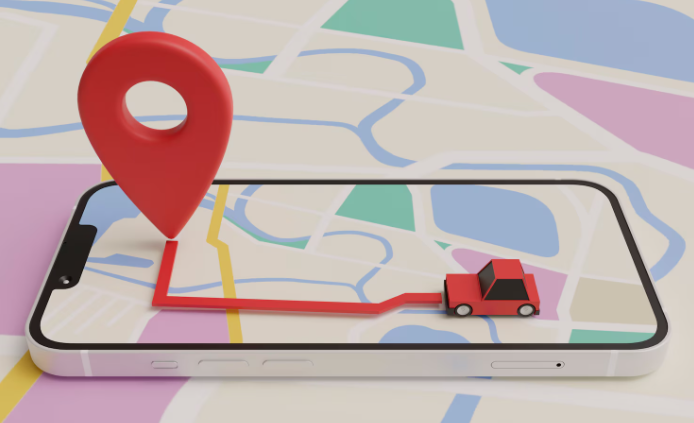
A dedicated tracker is hardware designed to do one job- report where something is. A standalone GPS tracker has its own GPS receiver and usually its own cellular connection, allowing it to send location updates to a dashboard even when no one is nearby with a phone. In other words, the tracker stays with the vehicle or asset, and the tracking continues quietly in the background. If you want tracking that feels dependable day after day, this is the direction most people tend to lean.
What a GPS phone app really is
A phone-based option is software that uses the phone’s built-in location services and network connection. A GPS tracker app can be surprisingly helpful for simple location sharing, especially when the phone is charged, connected, and running in the background. But it’s still tied to the phone’s habits and settings. If the user turns on battery saver, denies location permissions, or the operating system limits background activity, tracking can become inconsistent without much warning.
The Biggest Differences That Matter Day-to-Day
Reliability when you need it most
Here’s the quick gut-check. A tracker stays with the thing you’re tracking. A phone stays with the person. That difference matters a lot when you’re monitoring vehicles, trailers, equipment, or anything that could move without the same person present. If you’ve ever heard “My phone died” or “I forgot it in the office,” you already know the weak spot of app-only tracking. Dedicated hardware avoids that entire problem because the monitoring isn’t dependent on someone’s daily routine.
Battery and power behavior in the real world
Phones and continuous location tracking are not best friends. A GPS phone app can drain battery, and people react to that in predictable ways. They close apps, restrict background access, or switch off location services. Even if they mean well, the tracking becomes fragile. A dedicated tracker has a clearer power plan. Vehicle units can run off vehicle power, and many asset trackers are built to stretch battery life while still reporting reliably. That stable power setup is one of the biggest reasons dedicated devices feel more consistent.
Coverage and signal stability
Both phones and trackers can lose signal in garages, tunnels, and rural areas. The difference is how they recover. Phone tracking may pause when the app is backgrounded or when the phone is experiencing a weak signal. A dedicated tracker is typically built to keep trying, reconnect, and resume reporting as soon as it can. If you care about reliable history, those “silent gaps” matter, even if you don’t notice them until you need to review a route or a movement event.
Speed and Updates- real-time tracking with GPS explained
What “real-time” usually means in practice
“Real-time” is often used casually, but in tracking, it typically refers to frequent updates, rather than a constant stream. Depending on settings, you might see updates every few seconds, every 30 seconds, or every few minutes. So, when you’re comparing options, it helps to ask a straightforward question: how often does the location refresh when the vehicle is moving, and does that change when it’s parked? This is a significant aspect of what people mean when they say real-time tracking with GPS.
When real-time matters a lot
If you’re dispatching vehicles, watching for unexpected movement, or trying to confirm arrivals quickly, update frequency becomes a practical requirement. Dedicated trackers are often more consistent here because the device is specifically designed to report its location on a schedule. A phone can update quickly, too, but it may slow down if the phone is locked, the app is backgrounded, or the operating system decides to limit tracking. If your use case has urgent moments, consistency is usually more valuable than “it works most days.”
Accuracy Talk- GPS tracker accuracy vs phone GPS accuracy
How GPS accuracy works in plain English
GPS works by calculating position from satellite signals, but the final location you see can be influenced by the environment and the device’s ability to get a clean signal. Tall buildings, dense trees, and indoor areas can reduce accuracy. Even when GPS is working, the position can drift slightly, and the bigger issue is often consistency over time rather than a one-time pinpoint.
Why a phone can be accurate… until it isn’t
In open areas, GPS accuracy can be excellent on phones. Modern phones have robust location hardware and can provide exact results. The problem typically appears when the phone’s behavior changes. Battery saver, heat, background limits, or spotty data can reduce update reliability. The phone may be accurate in the moment, but less dependable at maintaining a steady trail of location history, especially across long shifts or multi-stop routes.
When a dedicated tracker tends to be more consistent
A dedicated tracker has two advantages that show up over weeks and months. First, it usually has stable power. Second, it’s installed in a predictable place and is always “on the job.” This often leads to more accurate GPS tracker readings in day-to-day operations, particularly for vehicles and assets that spend time outdoors. It also helps to match the tracker to the job, because different types of GPS trackers are designed with different trade-offs in mind.
Key Use Cases- Which option fits which situation?
Vehicles and fleets
For vehicles, dedicated hardware is usually the safer choice. Vehicles offer stable power, the tracker can stay with the car full-time, and you get a consistent trip history without relying on a driver’s phone. If your goal includes receiving after-hours movement alerts, viewing route history, or confirming a vehicle's overnight parking location, a GPS tracking device tends to feel far more dependable. Apps can still provide temporary visibility, but for long-term vehicle tracking, hardware typically causes fewer issues.
People tracking (kids, seniors, staff in the field)
For family use, apps can be convenient because phones are already there. If the goal is casual location sharing, a GPS tracker app may be enough, assuming permissions stay enabled and phones stay charged. For field teams, apps can also be effective, but they require ongoing management, including setup support, addressing permission issues, and resolving occasional gaps. If your job requires consistent tracking, dedicated personal trackers or role-based device tracking may be a better fit than relying on phone behavior.
Assets and equipment
Assets don’t carry phones, and that’s the simplest way to end the debate. If you need to track trailers, generators, toolboxes, or equipment that moves between sites, dedicated tracking is usually the correct choice. You want the tracker attached to the asset, reporting movement no matter who is around. This is where “app-only” tracking often breaks down because the thing you’re tracking isn’t linked to a person’s phone.
Comparing Costs- GPS tracker cost vs app
Upfront cost categories
Apps often look cheaper because there’s no hardware purchase. But the upfront cost isn’t the whole story. With a standalone GPS tracker, you pay for the device and, sometimes, installation, depending on the setup. With an app, the “cost” can manifest as time spent managing settings, troubleshooting, and addressing missed data. When comparing the cost of a GPS tracker versus an app, it's helpful to include the cost of inconsistency, not just the price tag.
Ongoing cost breakdown
This is where the comparison becomes real. Dedicated trackers typically require a service plan because the device needs connectivity and access to the tracking platform. That’s the heart of the GPS tracker subscription vs app decision. Apps can also offer subscriptions, particularly for business features such as reporting, multi-user access, alerts, and admin controls. For personal use, an app might be low-cost. For business use, both paths often involve a monthly fee once you need serious features.
Hidden costs people forget
Phone-based tracking comes with human variables. Phones get replaced, permissions change, and battery complaints arise. If monitoring is for a team, you may also end up handling device policy questions and support tickets. Dedicated tracking reduces those variables because the tracker’s job is stable and predictable. Less troubleshooting is a real savings, even if it doesn’t show up neatly on a receipt.
Features That Decide the Winner for Many Buyers
Geofencing, alerts, and reporting
Most people don’t just want a dot on a map. They want useful alerts and a clear history. Did it leave the yard after hours? Did it arrive at the site? Did it stop somewhere unexpected? Dedicated systems often deliver more consistent alerting because the data source is consistent. This is also where software quality matters. A smooth dashboard, clear history, and reliable alerts are what separate okay tools from the best GPS tracking software for day-to-day use.
Installation and setup
Some trackers can be easily installed and maintained. Others take more effort upfront but provide a stable long-term setup. App setup can be quick at first, but maintaining reliability across phone updates and permission changes can become an ongoing task. If you’re tracking multiple people, the support load can grow fast. If you’re tracking vehicles and assets, consistent installation often pays off because it reduces ongoing friction.
Data and platform quality
Even great hardware feels disappointing if the platform is confusing. You want a system that makes it easy to check live location, review history, set alerts, and manage access without jumping through hoops. Whether you pick a device or an app, you’re also choosing the platform behind it, and that platform is what you’ll actually interact with every day.
Mini-Guide to the Main types of GPS trackers
Plug-in OBD vehicle trackers
These plug into a vehicle’s OBD port and are often chosen for simple setup and quick deployment. They can be a good fit for fleets that want a consistent view of vehicle location without the need for complicated installation, depending on the vehicle and the environment.
Hardwired trackers
Hardwired GPS Trackers are typically used when you want a more permanent, discreet setup. They can be a strong choice for individual term vehicle tracking because the power is stable, and it's easier for someone to remove or unplug casually.
Battery-powered portable trackers
Portable trackers are useful for assets and equipment that don’t have a reliable power source. The trade-off is between battery life and update frequency, so it’s essential to match the device usage to the frequency of updates you need.
Personal trackers and wearables
These are designed to be carried or worn and can be helpful when you want tracking that doesn’t rely on a phone staying charged and properly configured. They can be a good fit for safety-focused scenarios or roles where consistent location visibility matters.
FAQs (Include these questions exactly)
1. What is the difference between a GPS tracker and a phone app?
A GPS tracker is a dedicated device that reports location through a tracking platform, often using its own cellular connection. A phone app uses the phone’s GPS and data connection, so tracking depends on the telephone staying powered, connected, and allowed to run in the background.
2. Is a standalone GPS tracker better than a mobile app?
A standalone GPS tracker is often better for vehicles and assets because it’s more reliable and less dependent on user behavior. A mobile app can be more suitable for casual location sharing when convenience is a priority, and the phone is always accessible.
3. Can a GPS tracker work without a smartphone?
Yes. Many trackers can track and transmit location without a smartphone nearby. You might use a phone or computer to view the dashboard, but the tracking device itself can operate independently.
4. Are GPS tracking apps accurate enough for business use?
They can be, but consistency is the issue. Apps may deliver good phone GPS accuracy in ideal conditions, yet background limits and battery settings can create gaps. If your business requires a steady history and dependable alerts, dedicated devices are often a safer option.
5. Which GPS tracking option is best for vehicles?
For most vehicle scenarios, a dedicated GPS tracking device is the better foundation because it has stable power and consistent reporting. Apps can be helpful as an add-on, but vehicle hardware tracking usually provides more dependable results.
Wrap-Up
If you want the simplest takeaway, it’s this. If you’re tracking people casually and everyone is comfortable keeping a tracking app running, a phone app can work. However, if you’re monitoring vehicles, trailers, or equipment, or if you need consistent location history that you can rely on later, dedicated hardware usually provides greater reliability and steady reporting. That’s why many buyers start with an app, then switch once the first “it stopped updating” moment happens.
When you’re ready to set up tracking that’s built for real-world use, check out Tracker Systems and their tracking solutions. Tracker Systems offers options that fit vehicles and assets, along with the software tools you need to view location, review history, and manage alerts with ease. Choose Tracker Systems products that match your use case, get tracking in place, and keep your vehicles and equipment easier to manage day after day.
Recent Posts
-
How to Choose Between a standalone GPS tracker and a GPS phone app
You’re trying to track something important, and the options feel deceptively simple. Do you buy a de …Jan 23rd 2026 -
The Pros and Cons of GPS Trackers with Real-Time Tracking
Real-time tracking in vehicle and asset monitoring means the location of a car, truck, or piece of e …Jan 16th 2026 -

Using GPS Trackers to Monitor Employee Performance
Field teams, drivers, and mobile crews are often the face of your business. They meet customers, del …Jan 5th 2026