
The Pros and Cons of GPS Trackers with Real-Time Tracking
Real-time tracking in vehicle and asset monitoring means the location of a car, truck, or piece of equipment is updated almost instantly on a map, not hours later. Businesses and private car owners prefer this option because it provides better control over trips, ensures safety, and prevents unauthorized use. With real-time GPS tracking, every movement is visible, allowing stolen vehicles to be located more quickly and enabling real-time monitoring of driver activity. A real-time GPS tracker sends location data to a server, which then forwards it to a mobile or web app, providing users with a live view. This section should introduce core terms early, including real-time tracking, real-time GPS tracking, real-time GPS monitoring, real-time GPS tracking devices for vehicles, and various types of GPS, so readers are aware of the available solutions.
2. What Is Real-Time GPS Tracking
Real-time GPS tracking is the process of using satellites, a GPS device, and a software platform to show the current location of a vehicle or asset. Here is how real-time tracking with GPS usually works. GPS satellites send signals to the tracker installed in a car or asset. The real-time GPS tracker then forwards the data through cellular or IoT networks to a central server. The platform or app displays the GPS tracker's real-time location to the user. Unlike historical or interval tracking, which only logs positions every few minutes or hours, real-time tracking updates frequently, ensuring that dispatchers, parents, or fleet managers always see the current movement. This makes a real-time GPS tracker for cars useful for routing, responding to theft, and monitoring driver behavior. It also explains why real-time GPS tracking devices for vehicles are preferred over older types of GPS that only store data locally.
3. Types of GPS Trackers for Cars and Fleets
Several types of GPS support real-time tracking, and choosing the right one depends on how the vehicle is used.
- Hardwired trackers stay hidden, draw power from the vehicle, and are ideal for fleets that require 24/7 real-time GPS tracking devices for their cars.
- OBD plug-in real-time GPS trackers for car models are faster to install and suit small businesses or personal users.
- Battery-powered devices help track trailers, equipment, or vehicles without constant power.
- Real-time GPS tracking systems differ from passive tracking, which only uploads data after the event has occurred.
For companies, hardwired and OBD options are effective because they maintain continuous connectivity, ensuring uninterrupted service. For personal use, a compact real-time GPS tracker is easier to manage. Across all types of GPS, the goal is the same- steady visibility, better trip control, and faster response when something goes off route.
4. Key Advantages of a GPS Vehicle Tracking System
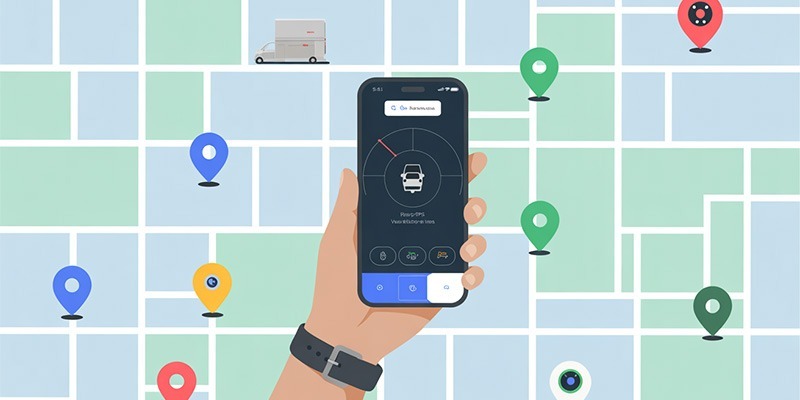
Real-time GPS tracking gives you visibility the moment a vehicle starts moving. It turns location data into plain, usable information for teams and customers.
Live tracking for routing and dispatch
One of the most significant advantages of GPS is being able to see the GPS tracker's real-time location on the map. With real-time GPS tracking, dispatchers know which driver is closest, can change routes on the go, and avoid delays. This works well when customers require status updates or when jobs undergo sudden changes.
Theft response and misuse alerts
When a vehicle moves outside working hours, a real-time GPS auto tracker can trigger an alert. Because the system indicates the asset's current location, recovery is faster and insurance claims are easier to support.
Driver safety and accountability
Real-time GPS fleet tracking helps spot harsh driving, long idling, and route deviations. That makes coaching easier and shows drivers that trips are recorded, which reduces risky behavior.
Better reporting and trip history
Although the focus is on live data, real-time GPS tracking also stores trip data. Managers can check where the vehicle went, how long it stopped, and if jobs were completed as planned.
Customer communication
When you can answer "Where is my delivery?" with exact location, service improves. This is a direct result of real-time GPS tracking and serves as a clear example of the benefits that real-time GPS tracking provides to businesses.
5. Real World Use Cases
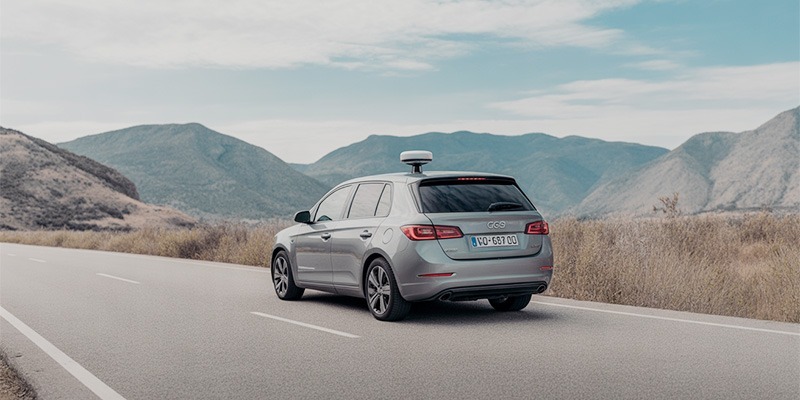
These systems are not just for big fleets. Any operation that must know "where is it now?" can use them.
Delivery and logistics
Route changes, last-mile drops, and time-sensitive loads benefit from real-time GPS tracking. Dispatchers can adjust stops, send the closest vehicle, and provide arrival times. That is one of the daily advantages of GPS.
Service and field teams
Plumbers, HVAC technicians, utility crews, and onsite repair teams can be reassigned quickly when managers see the GPS tracker's real-time location. This is how real-time GPS tracking works to support same-day service and faster SLAs.
Personal car tracking
Parents can monitor their teen's driving, receive arrival alerts, and view trips without needing to call. Real-time GPS auto tracker devices keep family cars safer and make unauthorized use obvious.
Rental and leasing
If a vehicle leaves a zone or is not returned, real-time GPS tracking shows its exact location. That cuts losses and improves billing accuracy.
High-value asset and trailer monitoring
Trailers, generators, and construction gear often sit unattended. A tracker with real-time GPS tracking sends instant movement alerts, reducing the risk of theft.
6. The Downsides and Limitations
Real-time data is powerful, but it comes with costs. Knowing what real-time GPS tracking is also means understanding its weak spots.
Ongoing subscription costs
Most platforms charge monthly for connectivity and mapping. For small fleets, this can feel high, even though the advantages of GPS are clear.
Installation and upkeep
Hardwired units need proper fitting. Portable devices need charging. If this is ignored, the real-time auto GPS tracking may stop suddenly.
Battery drain
Battery-powered trackers sending frequent updates will drain faster. Longer intervals save power, but reduce the benefit of real-time GPS fleet tracking.
Signal and network gaps
Buildings, remote areas, or tunnels can interrupt data, which is part of how real-time GPS tracking works in the real world. Location usually resumes once the signal returns.
Too much data and over-monitoring
Small teams can get flooded with alerts. Additionally, watching every driver's movement can erode trust. Set rules, log key events, and report only what matters. That way, real-time GPS tracking stays helpful instead of becoming noise.
7. Privacy, Compliance, and Legal Considerations
Location visibility is proper, but tracking people and personal cars must follow explicit rules.
This section outlines where vehicle tracking GPS is permitted in real-time and where it can lead to legal issues.
When tracking is allowed
Businesses can usually track company-owned vehicles used for work, especially when the goal is safety, routing, or asset protection. To ensure compliance, create a written policy, inform staff about what is being tracked, and explain the benefits of GPS vehicle tracking systems (security, accountability, faster support).
When tracking is risky
Secretly tracking an employee's personal vehicle or a family member's vehicle without consent can violate privacy laws. Minors and elderly family members may have different needs, but consent is still a safer option.
Data retention and access
Store only what you need and control who can view trips. Limit export rights to ensure that real-time data is not misused or compromised. This matters even more when using certain types of GPS trackers for cars that continuously track the driver's location.
8. How to Choose a Real-Time GPS Auto Tracker
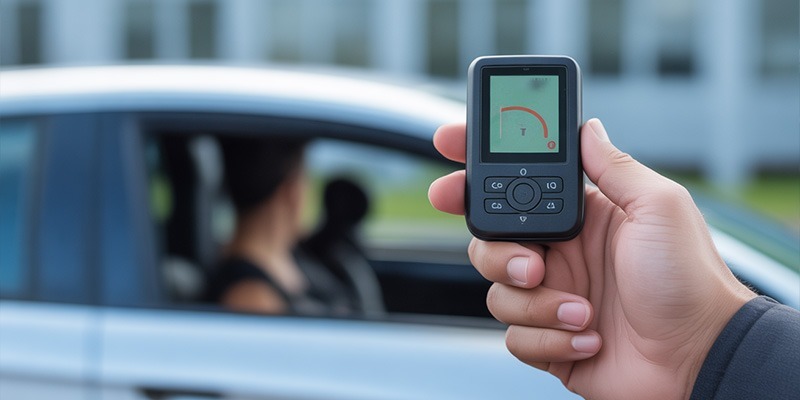
Not every tracker fits every fleet. Use these points to determine the optimal setup for real-time vehicle tracking GPS.
Update frequency
Choose a device that can report every 10–60 seconds if you need active routing or theft recovery. Slower pings cost less but reduce visibility.
Compatibility
Verify that the unit is compatible with 12V/24V vehicles, OBD-II ports, or heavy equipment. Different types of GPS trackers for cars (hardwired, OBD, battery) each suit different users.
Software and alerts
A good platform should have mobile/web access, geofencing, start/stop alerts, and trip history. Fleets need reports- single-vehicle users need simplicity.
Cost of ownership
Compare device prices, data plans, add-ons (such as dash cams and sensors), and contract terms to find the best fit for your needs. The best choice is the one that delivers the advantages of a GPS vehicle tracking system without overpaying for features you won't use.
9. Future Direction of Real-Time GPS Tracking
Real-time monitoring is moving toward faster, smarter decisions.
What started as a simple vehicle tracking GPS with real-time capabilities is becoming a connected safety and proof-of-work tool.
Faster refresh and automation
As networks improve, trackers can send more minor, quicker pings, making route ETA, delivery status, and theft recovery even more accurate.
Pairing with dash cams and sensors
Many fleets now want video + GPS. When a harsh event happens, the system links footage to the location. This makes the advantages of the GPS vehicle tracking system stronger for insurance and driver coaching.
Why will it stay
As long as assets are in motion, businesses will want to know where, when, and why. Different types of GPS trackers for cars will serve various roles: plug-and-play for small teams, hardwired for fleets, and battery-powered for trailers. Real-time will remain the standard because customers, dispatchers, and owners all expect answers instantly.
10. Summary
Real-time GPS tracking provides live location updates, enhanced driver oversight, and faster recovery when vehicles or assets move unexpectedly. The main trade-offs are recurring software fees, installation or device upkeep, and clear privacy rules for staff or family vehicles. The proper setup depends on your fleet size, equipment mix, and the speed at which you require alerts. If you want reliable vehicle tracking GPS, real-time, flexible hardware options, and fleet-ready reporting, choose Tracker Systems. Their real-time GPS tracking devices for cars, trailers, and assets make it easier to stay in control and prove every trip. Contact Tracker Systems today to get a plan that fits your routes, your drivers, and your budget.
11. FAQ
What is real-time GPS tracking?
Real-time GPS tracking is a system that shows a vehicle or asset's current location on a map within seconds. It utilizes GPS signals, a tracker, and software to keep the position updated, so owners, fleets, or families always know where something is in real-time.
How does real-time GPS tracking work in vehicles?
A tracker in the vehicle reads GPS satellite data, then sends that location through a cellular or IoT network to a server. The platform or app displays it for the user. When the vehicle moves, the tracker sends another update, creating continuous, trip-by-trip visibility.
What are the advantages of using real-time GPS tracking devices for vehicles?
You get live location, faster theft response, better routing, driver accountability, and accurate trip history. For fleets, it also improves ETA updates to customers and reduces unauthorized use. Overall, it helps businesses protect assets, cut wasted time, and make everyday operations more predictable.
Is a time GPS tracker for a car legal?
Tracking is typically permitted on company-owned vehicles and assets, particularly for safety or routing purposes. Problems arise when you track someone's personal vehicle without consent. Always document your policy, inform drivers, and follow local privacy rules to stay compliant and avoid disputes.
What types of GPS trackers are best suited for car fleets?
Fleets often opt for hardwired trackers due to their always-on power and discreet installation. OBD plug-in units are ideal for faster rollouts and mixed fleets of vehicles. Battery-powered units suit trailers and equipment. The best choice depends on usage, the frequency of vehicle movement, and the criticality of live data.
Do real-time GPS trackers need a subscription?
In most cases, yes. The tracker must send data over a network to the software platform, and that connection is billed monthly or annually. Subscriptions usually cover maps, reports, alerts, data storage, and support. Without it, the device may only log data locally.
How often does a real-time GPS tracker update its location?
Many systems update every 15–60 seconds while the vehicle is moving. Some offer faster pings for high-risk assets or rapid dispatching. Slower intervals use less data and battery. You can often set the rate on the platform, depending on your plan and hardware.
Can I use one system for mixed fleets and assets?
Yes. Many platforms support trucks, vans, cars, trailers, and powered equipment on the same dashboard. You choose the tracker type for each asset. This is useful for businesses that operate service vehicles and towable equipment, and want to report in a single place.
Recent Posts
-

How to Choose Between a standalone GPS tracker and a GPS phone app
You’re trying to track something important, and the options feel deceptively simple. Do you buy a de …Jan 23rd 2026 -
The Pros and Cons of GPS Trackers with Real-Time Tracking
Real-time tracking in vehicle and asset monitoring means the location of a car, truck, or piece of e …Jan 16th 2026 -

Using GPS Trackers to Monitor Employee Performance
Field teams, drivers, and mobile crews are often the face of your business. They meet customers, del …Jan 5th 2026