
Covert GPS Tracking Solutions
Track vehicles, trailers, and equipment without drawing attention. Covert GPS tracking uses hidden or integrated devices to improve theft prevention, reduce tampering, and maintain continuous visibility across your fleet.
Covert GPS tracking refers to tracking vehicles or assets using a device that is intentionally hidden or difficult to detect. Unlike visible tracking devices, covert trackers are installed or positioned so they are not obvious during normal inspection. For many businesses, this includes solutions like hidden wired GPS trackers for vehicles, integrated tail light GPS trackers for trailers, and battery-powered asset trackers. The goal is not secrecy for its own sake. The goal is to keep tracking active when it matters most, especially when a vehicle, trailer, or asset is moved without authorization.
For commercial fleets, contractors, rental companies, and trailer operators, covert tracking improves reliability. A tracker that is not easily seen is less likely to be removed or disabled, which can improve theft recovery, reduce tampering, and support longer-term visibility across vehicles and equipment. The right covert tracking strategy depends on the type of asset, power availability, installation preferences, and how often the asset moves.
What Is Covert GPS Tracking?
Covert GPS tracking uses discreet devices to monitor the location of vehicles, trailers, equipment, and other mobile assets without being easily detected. These systems provide real-time visibility, location history, and exception alerts while remaining hidden from view. In practical terms, covert tracking usually means one of three approaches: a hardwired tracker concealed inside a vehicle, an integrated tracker built into a trailer component such as a tail light, or a battery-powered tracker mounted discreetly on an unpowered asset.
That distinction matters because covert tracking is not a single product category. It is a deployment strategy. The best covert GPS tracker for a fleet vehicle may be very different from the best covert tracker for a trailer or a storage container. A good solutions page needs to explain those differences clearly so customers can choose the right approach instead of forcing every use case into one device type.
For example, businesses often compare hardwired GPS trackers for vehicles with hidden trailer tracking solutions depending on the asset type.
How Covert GPS Tracking Works
Satellite Location
The tracker receives signals from GPS satellites to determine its position and movement.
Cellular Communication
Location data is transmitted to the tracking platform using cellular networks for remote access.
Real-Time Monitoring
Users can access live maps, historical routes, and activity data through desktop and mobile applications.
Alerts & Geofencing
Receive alerts when assets move unexpectedly, leave a designated area, or begin operating outside normal patterns.
From the user’s perspective, covert tracking works much like any other GPS tracking system. The difference is in how and where the device is installed. The tracker must stay hidden enough to avoid tampering, while still maintaining GPS and cellular performance. That balance between concealment and reliable signal is what separates a strong covert installation from a poor one.
How Covert GPS Tracking Is Achieved
Hidden GPS Trackers for Vehicles (Wired Installation)
For vehicles and powered assets, covert GPS tracking is typically achieved using a hardwired tracker installed behind the dashboard or within the vehicle’s wiring system. This approach keeps the device out of sight while providing continuous power and reliable reporting.
- Fully hidden installation inside the vehicle
- No battery maintenance required
- Best for fleet vehicles and service trucks

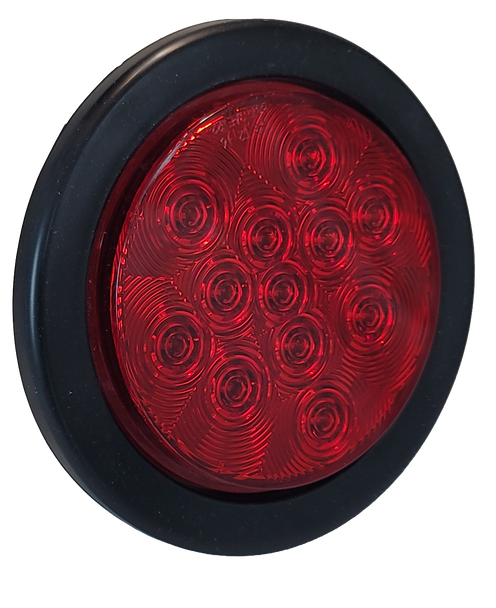
Hidden GPS Trackers for Trailers (Integrated Tail Light)
For trailers, covert tracking is often achieved by integrating the tracker into a standard component such as a tail light. This allows the device to remain hidden in plain sight while still maintaining access to power and signal.
- Looks like a standard trailer light
- Difficult to detect during inspection
- Powered by trailer wiring
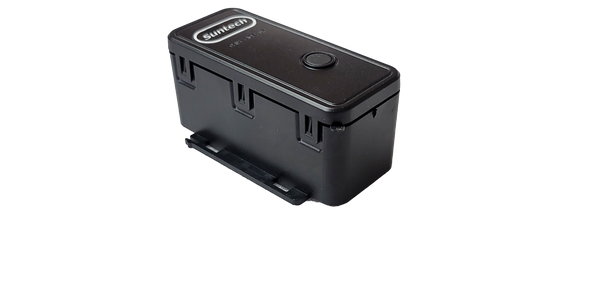
Hidden GPS Trackers for Equipment & Unpowered Assets
Battery-powered GPS trackers provide a covert option when wiring is not available. These devices can be mounted discreetly on trailers, containers, and equipment while remaining out of sight.
- No wiring required
- Flexible placement options
- Best for trailers, containers, and remote assets
Hidden GPS Trackers Still Need Access to GPS Signal
Even though covert GPS trackers are designed to be hidden, they still rely on signals from GPS satellites. Those signals must be able to reach the device for accurate tracking. That means the best covert installation is not simply the most hidden location on the asset. It is the location that balances concealment with reliable performance.
GPS signals do not pass well through solid metal. If a tracker is fully enclosed inside a metal box or mounted in a heavily shielded location, signal quality may be reduced or lost entirely. The same basic principle applies to cellular communication. A hidden device still needs enough signal access to report data back to the tracking platform.
For trailer applications, solutions like tail light GPS trackers are designed to maintain signal access while remaining hidden in plain sight.
Avoid Fully Enclosed Metal Areas
Sealed metal compartments can block GPS signals and reduce overall tracking performance.
Use Plastic or Composite Panels
Dashboards, light housings, and other non-metal structures allow signals to pass more effectively.
External Components Work Well
Tail light installations can preserve signal access while keeping the device hidden in plain sight.
Balance Concealment and Performance
The best covert installations hide the device without blocking GPS or cellular connectivity.
This is one reason installation quality matters. A good covert deployment does not just hide the device. It puts the tracker in a location where it can continue to do its job. For vehicles, that often means behind the dashboard or behind interior trim rather than inside a sealed metal enclosure. For trailers, it may mean an integrated tail light installation or another protected location that still allows signal access.
Where to Hide a GPS Tracker (Vehicles vs Trailers)
The best hiding location depends on the type of asset being tracked. Covert GPS tracking is not just about hiding the device. It is about placing it where it will remain powered when needed, maintain signal, and avoid obvious detection. This is why covert vehicle tracking and covert trailer tracking often use different hardware and different installation strategies.
For a deeper breakdown of trailer-specific placement strategies, see hidden GPS tracker options for trailers.
Vehicle Install Locations
Behind dashboards, wiring harnesses, and interior panels are common concealment points for hardwired trackers.
Trailer Install Locations
Tail lights, junction boxes, and protected exterior components can provide a better balance of concealment and signal access.
Avoid Obvious Locations
Visible mounts and easy-to-spot placements are more likely to be found and removed during theft.
Professional Installation Helps
Proper installation improves concealment, reliability, and long-term performance across commercial fleets.
In real-world deployments, the decision often comes down to asset type and power availability. A powered service truck may be best served by a small hardwired tracker. A trailer that needs a more integrated approach may be better suited to a tail light tracker. An unpowered container or remote equipment asset may require a battery-powered tracker with conservative reporting intervals and a mounting location chosen for both concealment and signal access.
Common Use Cases for Covert GPS Tracking
Vehicle Fleets
Monitor service and fleet vehicles without visible hardware that can be tampered with.
Trailer Theft Prevention
Protect utility, cargo, and equipment trailers with hidden tracking solutions.
Equipment Tracking
Track generators, containers, and equipment left unattended on jobsites or in yards.
High-Value Assets
Improve recovery rates and reduce theft risk for expensive mobile assets.
These use cases often overlap. A contractor may need covert trackers for both fleet vehicles and unattended trailers. A rental company may need hidden devices for trailers, compact equipment, and support vehicles. A service business may rely on wired trackers in trucks while using battery-powered trackers on assets that move less frequently. The page should make clear that covert tracking is a broader capability, not a one-size-fits-all product choice.
Real-World Covert Tracking in Action
In real-world deployments, covert GPS tracking is often used as part of a broader asset protection strategy. Businesses combine hidden trackers across vehicles, trailers, and equipment to maintain visibility even when assets are moved without authorization.
- Service trucks use hidden wired trackers behind dashboards
- Trailers use integrated tail light trackers to avoid detection
- Equipment and containers use battery-powered trackers for flexibility
This layered approach improves recovery rates and ensures tracking remains active across different asset types and operating environments.

Why Covert GPS Tracking Is Critical for Theft Prevention
Trailer and equipment theft often happens quickly and with little warning. In many cases, the immediate goal is to move the asset before anyone notices it is gone. If the GPS tracker is visible or easy to locate, the device may be removed before it can help recover the asset. That is where covert GPS tracking provides a real operational advantage.
By reducing how obvious the tracking device is, a covert installation increases the likelihood that the tracker will continue reporting after the theft occurs. That can improve the odds of locating the asset, documenting unauthorized movement, and acting before the loss becomes permanent. For businesses managing expensive trailers, equipment, or service vehicles, that difference matters.
Hidden Devices Are Harder to Remove
Covert trackers are less likely to be found during a quick inspection, which improves recovery chances.
Faster Recovery
Real-time tracking allows businesses to respond quickly and locate stolen trailers or equipment.
Reduced Asset Loss
Maintaining tracking visibility after theft can prevent total loss of high-value equipment and trailers.
Improved Accountability
Tracking history helps verify usage patterns and detect unauthorized movement before losses escalate.
For many businesses, covert GPS tracking is not optional. It is part of a broader theft prevention strategy that protects vehicles, trailers, and equipment across jobsites, depots, yards, and storage locations. The more exposed the asset, the more important it becomes to use a device that is not immediately obvious to anyone looking for it.
What Is the Best Covert GPS Tracking Option?
The best covert GPS tracking solution depends on the asset and how it is used. There is no single answer that fits every deployment. Instead, the strongest solution is the one that matches the power source, movement pattern, and concealment requirements of the asset being tracked.
- Vehicles: Hardwired GPS trackers are usually the best fit for powered assets that need continuous tracking and a concealed install.
- Trailers: Tail light GPS trackers are often the strongest option when you want a hidden, integrated installation.
- Unpowered assets: Battery-powered asset trackers are a practical covert solution when no wiring is available.
For many operations, the best overall strategy is a mix of covert wired trackers for vehicles and covert trailer or asset trackers for equipment, trailers, containers, and other unpowered assets. This kind of blended approach usually reflects how businesses actually operate in the field.
Choosing the Right Covert GPS Tracking Approach
Not all covert GPS tracking solutions are the same. The right choice depends on how the asset is powered, how often it moves, what level of reporting is needed, and how important concealment is for the application. A service vehicle that runs every day will have different needs than a trailer that sits for long periods between moves.
| Tracking Type | Best For | Key Advantage | Consideration |
|---|---|---|---|
| Hardwired GPS Trackers | Vehicles & fleet trucks | Fully hidden with continuous power | Requires installation |
| Tail Light GPS Trackers | Trailers | Integrated and nearly invisible | Specific to trailer lighting setups |
| Battery-Powered Trackers | Equipment & unpowered assets | No wiring required | Battery life management |
In many cases, businesses use a combination of these approaches. Fleet vehicles may use hardwired trackers, trailers may use integrated tail light trackers, and equipment or containers may use battery-powered devices. That kind of mixed deployment is often the most practical way to build a broader covert tracking strategy across different asset types.
What to Look for in a Covert GPS Tracker
When selecting a covert GPS tracking solution, it is important to look beyond basic location tracking and consider how the device will perform in real-world conditions. A tracker that looks good on paper but does not fit the asset, signal environment, or operating pattern will not deliver the reliability needed for commercial use.
Reliable Signal Performance
The tracker must maintain GPS and cellular connectivity even when installed in concealed locations.
Power Source Fit
Choose between wired, integrated, or battery-powered options based on the asset and how it is used.
Reporting Frequency
More frequent updates improve visibility but may affect battery life on non-wired devices.
Durability
Devices used on trailers and equipment should be weather-resistant and built for outdoor conditions.
A well-chosen covert GPS tracker balances concealment, performance, and reliability so the device continues working when it matters most. That is especially important in theft prevention scenarios, remote asset tracking, and commercial operations where the tracker may be deployed for long periods with minimal maintenance.
Covert GPS Tracking FAQs
What is covert GPS tracking?
Covert GPS tracking is the use of a hidden GPS device to monitor vehicles, trailers, equipment, or other assets without being easily detected.
What is the best covert GPS tracker?
The best covert GPS tracker depends on the asset. Hardwired trackers are usually best for vehicles, tail light trackers are strong options for trailers, and battery-powered asset trackers are useful for unpowered assets where wiring is not practical.
Is covert GPS tracking legal?
Tracking assets you own or manage is generally legal, but regulations vary by location and use case. Always ensure proper authorization before deploying a GPS tracking device.
Are battery-powered trackers good for covert tracking?
Yes. Battery-powered trackers can be a strong covert option for trailers, containers, and equipment when wiring is not available. They are especially useful for unpowered assets, though reporting frequency and battery life should be matched to the application.
Can a hidden GPS tracker still get signal?
Yes, but placement matters. Hidden GPS trackers still need enough access to GPS and cellular signal to work properly. Fully enclosed metal areas can reduce performance, so the best covert installations balance concealment with signal access.
Should covert tracking be set up differently for vehicles and trailers?
Usually, yes. Vehicles often use hardwired trackers hidden behind dashboards or interior panels, while trailers may be better served by integrated solutions such as tail light trackers or battery-powered asset trackers when no power source is available.
Related Solutions & Resources
- Hidden GPS Tracker for Trailers - for covert trailer tracking and anti-theft placement strategies
- 4" Tail Light GPS Tracker - for integrated trailer tracking that stays hidden in a standard trailer light position
- Hardwired GPS Trackers - for concealed vehicle tracking with continuous power
- 4G Mini GPS Tracker - for a compact wired option for discreet vehicle installation
- Extended Life Battery Powered GPS Asset Tracker - for unpowered trailers, containers, and equipment