
Description
Rechargeable GPS Tracking for Shipments, Pallets, and On-the-Go Assets
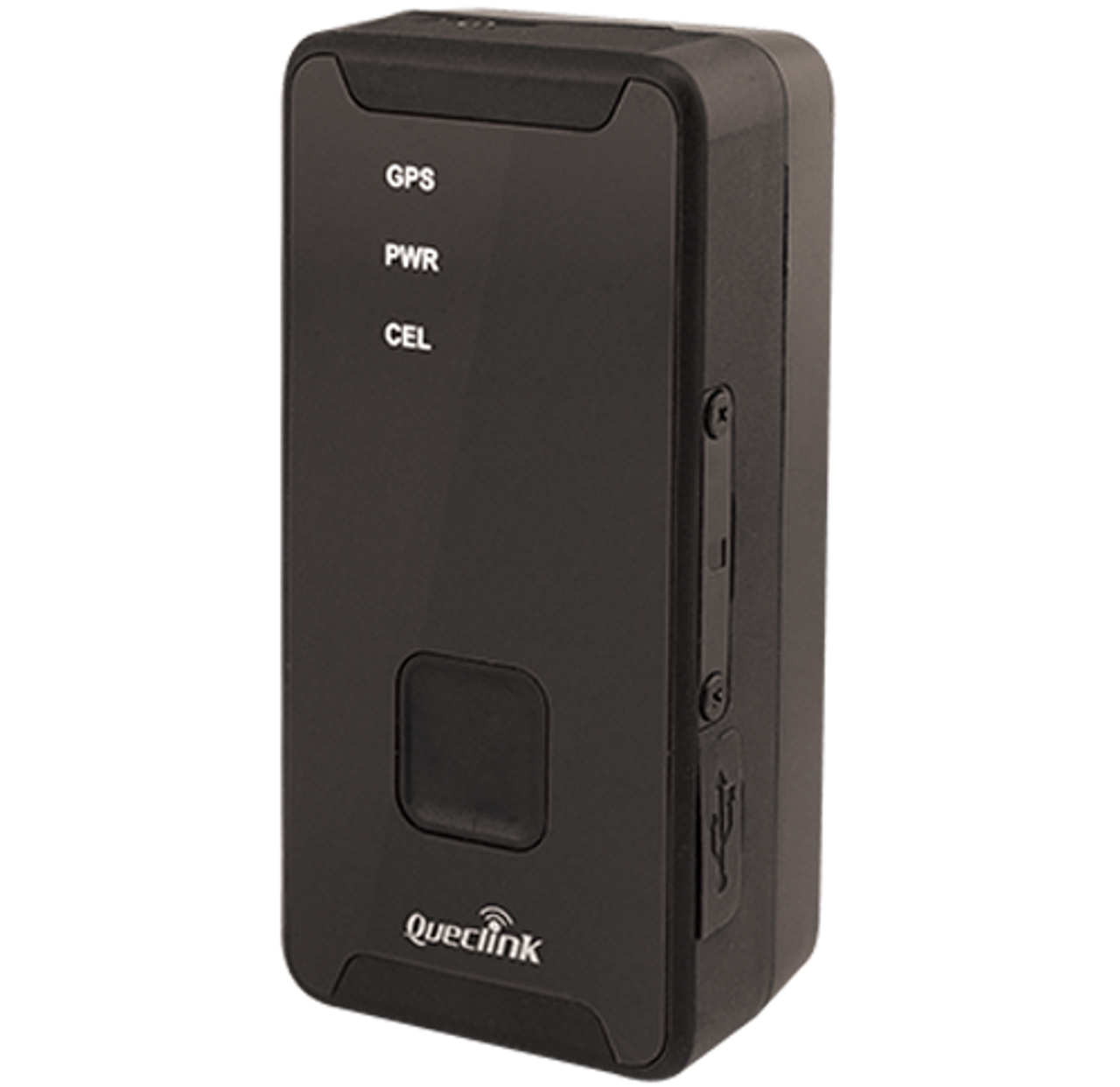
If you need a tracking unit that can move from one job to the next, a rechargeable unit makes day-to-day work easier. Tracker Systems offers a compact tracker that charges via USB, deploys quickly, and can be reused across shipments, pallets, and shared equipment. It is a practical choice when you want visibility without permanent installation.
Why Rechargeable Tracking Makes Sense for Shared Operations
Many teams do not want to mount a device on every item they monitor. Instead, they need something they can place, retrieve, recharge, and return. That is where a portable GPS tracking device fits well. You can use a single unit across multiple jobs, keep your process consistent, and avoid complex setup.
Quick placement and easy handoffs
Because it is small, it can be placed inside packaging, in a bag, or carried by personnel when needed. This helps teams standardize how tracking is done across different lanes, locations, and handoffs, without relying on vehicle power or hardwired installations. In many workflows, it becomes a routine in which the tracker travels with the load and is recovered at the destination.
Built for Logistics and Freight Visibility
When you are responsible for deliveries, transfers, or high-value goods, a GPS tracker for shipments can reduce guesswork. Instead of relying only on carrier updates, you can monitor movement and location directly through your tracking process. A reusable unit is handy when you ship in cycles and want the same tracker back for the next run.
Shipment tracking without installation headaches
A wireless GPS tracker gives you flexibility. You are not limited to one vehicle, one driver, or one lane. You can place it with what matters most, monitor the trip, and then move it to the next shipment after it arrives.
GPS Pallet Tracking for Better Control in Transit and Storage
Pallet loads can be hard to manage once they leave the dock. A missed scan or unclear transfer can quickly turn into delays and extra labor. Adding GPS pallet tracking helps you understand where a pallet went, when it stopped, and whether it followed the expected route.
How teams typically use pallet-level tracking
A simple workflow often works best. Place the tracker inside the pallet load, monitor it while it moves, retrieve it at receiving, then recharge and redeploy it. Over time, this creates a reliable way to monitor high-priority loads, problem lanes, or time-sensitive routes without changing your packaging or warehouse layout.
GPS Tracker for Assets That Move Between Teams and Sites
Not every asset has power. Not every asset stays in one place. A GPS tracker for assets can help when equipment rotates between crews, moves between locations, or travels for service and repair. It is often used for items that are costly to replace or hard to locate quickly, such as shared tools, portable equipment, and rental inventory.
When a portable approach is the right fit
A portable GPS tracking device is useful when you want visibility fast. You can deploy it without scheduling an installation and move it whenever priorities change. This is especially helpful when asset use is occasional but essential, as it helps confirm location, reduce time spent searching, and improve accountability.
Features That Support Real World Tracking
A rechargeable tracker is only helpful if it fits daily conditions. This unit style is designed around practical needs like USB charging, low-battery alerts, and motion-sensing that adjusts how often it reports. For teams, that means you can maintain visibility during movement while avoiding unnecessary updates when the device is not moving.
Motion-based reporting that supports battery life
Many operations want frequent updates while a shipment is traveling and fewer updates when it is parked or stored. Motion-based reporting supports that goal by increasing reporting activity during movement and reducing it during idle periods. This can be a helpful way to balance visibility with runtime.
A fit for both shipment and personnel use
Some teams use the same tracker type for multiple workflows. One week, it is used as a GPS tracker for shipments inside a carton. Another week, it may be carried out with a field employee. That flexibility matters when you want a single solution that supports more than one department.
Planning Your Tracking Setup
A battery powered GPS tracker can be used in many ways, so it helps to define your plan before rollout. Some teams want detailed updates on active routes. Others wish to set basic checkpoints for assets that move occasionally. A rechargeable model supports both approaches as long as you align reporting behavior, charging routines, and ownership responsibilities.
For shipping and logistics teams
If your main goal is a GPS tracker for shipments, create a clear routine. Decide who places the tracker, who monitors the trip, who retrieves it, and where it goes after being received. This avoids confusion and helps you reuse devices consistently.
For warehouses and distribution centers
For GPS pallet tracking, consider starting with the loads that cause the most problems. That could mean high-value freight, recurring delays, or routes with frequent handoffs. Once the process works, you can expand to more pallets as needed.
For field teams and shared equipment
For a GPS tracker for assets, decide what events matter most. Common priorities include arrival verification, unexpected movement, long idle time, or out-of-area activity. The goal is not to watch everything all the time. The goal is to reduce the time you spend chasing missing gear and to support better decision-making.
Why Tracker Systems Is a Practical Choice for Rechargeable Tracking
Tracker Systems focuses on tracking tools that are designed for repeat use. With a rechargeable unit, you can run a consistent process across shipments, pallets, and shared assets. The benefit is not only knowing where something is, but also reducing the friction of deploying tracking in the first place. A wireless GPS tracker that is easy to reuse can support many operations without adding complexity.
Talk to Tracker Systems
If you are looking for a reusable, battery powered GPS tracker that supports pallets, freight, and shared equipment, Tracker Systems can help you choose a setup that matches your workflow. Ask about options for reporting frequency, service plans, and best practices for recovery and redeployment.
Ready to track shipments and assets with less hassle? Contact Tracker Systems to choose the correct device and setup, then start using a portable GPS tracking device and GPS pallet tracking workflow that your team can repeat on every run.


