

ELD Exemptions and Exceptions: What Actually Requires a Certified ELD
Many fleets assume every commercial vehicle needs an Electronic Logging Device (ELD), but that is not always the case. ELD exemptions apply to certain operations based on how vehicles are used, where they operate, and what type of records drivers must maintain. At the same time, a GPS tracker is not automatically a replacement for a certified ELD.
For fleet managers, understanding the difference between an exception, a formal exemption, and a standard GPS tracking system can prevent costly compliance issues. This guide explains who may qualify for relief from the ELD mandate, how GPS trackers differ from certified ELDs, and what fleets should know about FMCSA registered devices.
The Federal Motor Carrier Safety Administration (FMCSA) estimates the ELD mandate helps reduce fatigue-related crashes by improving hours-of-service record accuracy. However, whether a fleet needs an ELD depends on its specific operation, not simply the number of vehicles it owns.
What the ELD Mandate Actually Requires
The ELD mandate requires most drivers who must maintain a Record of Duty Status (RODS) to use a compliant electronic logging device instead of paper logs. The device records important driving information, including vehicle movement, engine-related activity, miles driven, and driver duty status.
ELDs are designed specifically for hours-of-service requirements. They help fleets maintain accurate records during inspections and compliance reviews.
Tracker Systems provides dedicated ELD and HOS solutions for fleets that need electronic logging capabilities. Fleets that are unsure whether they require an ELD should first determine whether their operation qualifies for an exception or exemption.
Is a GPS Tracker the Same as an ELD?
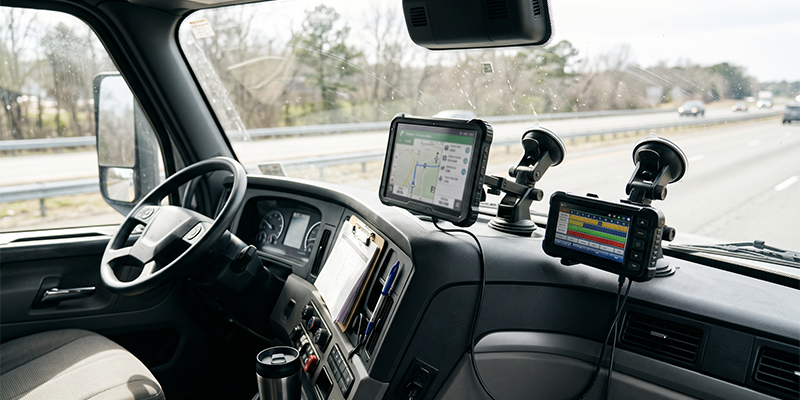
How does a GPS tracker differ from a certified ELD?
A GPS tracker and a certified ELD serve different purposes. A GPS tracker provides location visibility, vehicle activity data, geofencing, and fleet monitoring. A certified ELD is designed to meet FMCSA hours-of-service recording requirements and appears on the FMCSA registered ELD list.
The main difference comes down to regulatory purpose. A standard GPS tracker uses positioning information to show where a vehicle is located and how it moves. It does not replace the specific logging requirements of an FMCSA-certified ELD.
A certified ELD records information required for driver logs and hours-of-service tracking. It is built for fleets that need electronic records rather than traditional paper-based ones.
For example, Tracker Systems offers standard GPS tracking options, including OBD2, hardwired, battery, and solar trackers, for location and operational visibility. Fleets that need hours-of-service logging require a separate ELD solution designed for that purpose.
A fleet may use GPS tracking even when it is not required to use an ELD. GPS tracking can help with dispatch visibility, vehicle location, route information, and fleet operations, while an ELD addresses hours-of-service requirements.
ELD Exemptions: Who May Qualify for Exceptions Built Into the Rule
Not every commercial operation falls under the same ELD requirements. Some fleets qualify for exceptions that are built into FMCSA rules. These exceptions are based on specific operating conditions, and a fleet must continue meeting those conditions to remain eligible.
Who qualifies for the short-haul ELD exception?
The short-haul ELD exception applies to certain drivers who operate within a defined distance from their home terminal and return there after their workday. These drivers may use time records instead of electronic logs if they meet all required conditions. Missing one condition can remove the exception for that day.
|
Exception |
Who it covers |
What's still required |
|
Short-haul exception |
Drivers returning to the same home terminal within the required operating limits |
Time records instead of RODS when conditions are met |
|
Agricultural exception |
Certain agricultural commodities and farm supply operations |
Current FMCSA requirements must still be confirmed |
|
Driveaway-towaway exception |
Vehicles being transported as part of a shipment |
Specific operating conditions must apply |
|
Formal exemption |
A group or operation granted relief through an FMCSA process |
Only applies to the named recipient and stated conditions |
The short-haul exception is one of the most common reasons fleets ask about ELD requirements. However, it is not based only on vehicle size or fleet ownership. The operation must continue meeting the required conditions.
Agricultural and driveaway-towaway operations may also receive special treatment under certain circumstances. Because regulations can change, fleets should verify current requirements before assuming an exception applies.
Exemptions vs. Exceptions: Why the Difference Matters
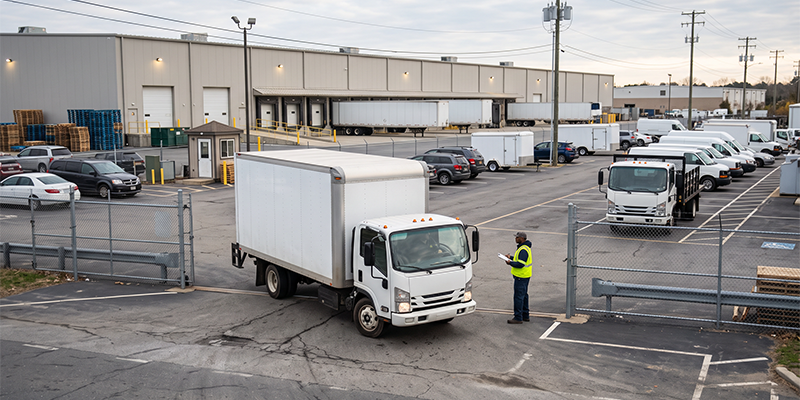
What's the difference between an ELD exception and an ELD exemption?
An ELD exception is a rule-based situation where a fleet automatically qualifies if it meets specific operating conditions. A formal ELD exemption is different because it requires a petition process and approval from FMCSA. Submitting a request does not mean a fleet is already exempt.
This distinction matters because many fleets use the terms interchangeably. An exception is already defined in FMCSA rules, whereas a formal exemption is considered on an individual basis and may include specific limitations.
For example, a company requesting relief through a Federal Register notice must wait for FMCSA approval before operating under that exemption. Until approval is granted, the normal requirements still apply.
Fleet managers should avoid assuming they qualify simply because another company operates under an exemption. Requirements depend on the specific operation, vehicles, and approved conditions.
If You're Not Exempt: Staying on the FMCSA Registered ELD List
What should a fleet do if FMCSA revokes their ELD device?
If FMCSA removes an ELD from its registered list, carriers using that device generally receive a replacement period before enforcement begins. Fleets should replace revoked devices within the allowed timeframe to avoid operating without a compliant ELD.
The FMCSA-registered ELD list is the official source for verifying whether a device meets current requirements. Device removals can happen when equipment no longer meets technical standards or certification requirements.
In 2026, FMCSA continued removing devices from the registry as part of ongoing enforcement activity. Fleets should avoid relying on old device information because the registry can change over time.
A practical habit for fleet managers is to check the registered ELD list regularly rather than waiting for a compliance issue during an inspection.
If a device is removed and the replacement deadline passes, continued use may create the same risk as operating without a required ELD. Fleets may face inspection issues and potential out-of-service consequences.
Tracker Systems helps fleets manage ELD requirements through dedicated ELD solutions and related reporting tools. Fleet managers should confirm their device status directly through current FMCSA resources.
If You Are Exempt: What GPS Tracking Still Does for You

If my fleet is exempt from the ELD mandate, do we still need GPS tracking?
Yes, a fleet may still benefit from GPS tracking even when an ELD is not required. An exemption removes the hours-of-service logging requirement, but it does not remove the need for vehicle visibility, dispatch information, and operational awareness.
Standard GPS tracking helps exempt fleets monitor vehicle locations, create geofences, receive alerts, review historical activity, and improve fleet visibility.
For example, a short-haul fleet that does not require an ELD may still need GPS tracking to know where vehicles are, manage schedules, and respond quickly to operational needs.
GPS tracking and ELD solutions solve different problems. A fleet that does not need electronic driver logs may still choose GPS tracking for daily fleet management.
The right choice depends on what the fleet needs to monitor. Some fleets need only location visibility, while others need hours-of-service records through a certified ELD.
Frequently Asked Questions
1. Does every commercial vehicle need an ELD?
No. Some vehicles and operations qualify for exceptions, including certain short-haul, agricultural, and driveaway-towaway operations. Requirements depend on the specific operation, vehicle use, and current FMCSA rules. Fleets should confirm their situation before deciding they do not need an ELD.
2. What is the FMCSA registered ELD list, and why does it matter?
The FMCSA registered ELD list shows devices that meet current technical requirements. Fleets using a device removed from the list may need to replace it within the required timeframe. Checking the registry helps managers identify changes before they create compliance problems.
3. Can an ELD exemption be denied or revoked?
Yes. FMCSA reviews formal exemptions and may include specific conditions or time limits. A request for an exemption does not provide immediate approval. Fleets should wait for official confirmation before operating under a claimed exemption.
4. Do agricultural operations get special ELD treatment?
Some agricultural operations may qualify for specific exceptions, but eligibility depends on the type of transportation activity and current FMCSA requirements. Fleets involved in agriculture should verify their eligibility rather than assume they automatically qualify.
5. Where can I check whether my ELD is still FMCSA-compliant?
Fleets can check the FMCSA-registered ELD list at eld.fmcsa.dot.gov. Regularly reviewing the registry helps fleet managers identify device removals or changes before they become operational issues.
Final Thoughts
Understanding ELD requirements starts with knowing which category your fleet falls into. Some operations may qualify for exceptions, while others need a certified ELD for hours-of-service records.
The biggest mistake is assuming that a GPS tracker and an ELD serve the same purpose. They support different fleet needs, and choosing the right option depends on your operation.
Tracker Systems has supported fleets since 2003 with US-based support and nationwide coverage. If you are unsure whether your fleet needs an ELD or GPS tracking, speak with a specialist to review your situation.
Recent Posts
-

ELD Exemptions and Exceptions: What Actually Requires a Certified ELD
Many fleets assume every commercial vehicle needs an Electronic Logging Device (ELD), but that is no …Oct 27th 2026 -

How to File IFTA: Quarterly Fuel Tax Reporting and How GPS Data Automates It
Learning how to file IFTA is not difficult, thanks to the tax formula. The harder part is collecting …Oct 27th 2026 -

What Is a DVIR? How Driver Vehicle Inspection Reports Work in 2026
A driver vehicle inspection report, or DVIR, is a written record documenting a commercial vehicle's …Oct 26th 2026