

What Is a DVIR? How Driver Vehicle Inspection Reports Work in 2026
A driver vehicle inspection report, or DVIR, is a written record documenting a commercial vehicle's condition, including defects that may affect safe operation. DVIRs have been part of fleet inspection practices for decades, but interest in them rose sharply in 2026 following an FMCSA rule addressing electronic reports.
FMCSA published its final rule on electronic DVIR on February 19, 2026, with an effective date of March 23, 2026. The rule did not introduce electronic reporting. Instead, it made the permission for electronic DVIRs explicit within the inspection regulations.
For fleet and safety managers, that raises practical questions: what belongs in a DVIR, when one is required, whether electronic records are acceptable, how long reports must be retained, and how DVIR records fit alongside ELD and HOS data. Fleets using GPS truck-tracking devices may already have part of the infrastructure needed for an electronic inspection workflow.
What Is a DVIR?
A DVIR, or Driver Vehicle Inspection Report, documents a commercial vehicle's condition and identified defects. The driver records the inspection findings, the carrier or mechanic addresses defects when required, and the next driver reviews the previous report and repair certification before operating the vehicle when the regulations require that sequence.
The report creates a chain of custody around vehicle condition. Under 49 CFR §396.11 and §396.13, the inspection record and the next driver's review serve related but separate purposes. One records defects or deficiencies, while the other helps confirm that previously reported safety issues were addressed before the vehicle returns to service.
A DVIR should also be kept separate from ELD and Hours-of-Service requirements. Drivers and fleet managers who need information about duty-status rules can review ELD exemptions and exceptions, as well as Tracker Systems' ELD & HOS compliance resources.
Driver Vehicle Inspection Report Requirements: What Must a DVIR Include?
What must a DVIR include?
A DVIR should identify the vehicle, document the condition of required vehicle systems and components, list defects or deficiencies found, include the inspection date, and contain the driver's signature or a valid electronic equivalent. When a defect requires attention, the record must also document the required repair certification or determination.
The exact inspection-component list should be checked against the current text of 49 CFR §396.11(a). Secondary sources do not consistently agree on the number of required items, so fleets should avoid building a DVIR form around an unverified checklist or item count.
A post-trip inspection and a pre-trip inspection also serve different purposes. The post-trip process identifies and records defects following the operation. Before the vehicle is operated again, the next driver may need to review the previous report and confirm that any defects affecting safe operation have been addressed.
For fleets managing inspection records alongside driver and vehicle information, a DVIR can sit within broader fleet management software rather than functioning as an isolated paper process.
Are Electronic DVIRs Legal? What Changed in 2026
Are electronic DVIRs legal?
Yes. Electronic DVIRs are legal. Electronic records had already been permitted under 49 CFR §390.32, but FMCSA's 2026 final rule made that permission explicit within §396.11 and §396.13. The final rule was published on February 19, 2026, and became effective on March 23, 2026.
This distinction is important because the 2026 rule did not create a completely new right to use electronic records. Electronic recordkeeping was already allowed. The change removed ambiguity by directly addressing electronic DVIRs in the regulations governing driver vehicle inspections.
For a fleet already using electronic reports, the day-to-day process may not need to change. For a fleet still relying on paper because of uncertainty about digital records, the regulations now provide a clearer answer.
An electronic DVIR or DVIR app may also make records easier to search and retrieve. Digital systems can organize inspection dates, signatures, defect notes, repair records, and DVIR history, provided that the required information is maintained and record integrity is preserved.
Tracker Systems' ELD platform lists a DVIR report and a DVIR History section. The platform records and organizes inspection information. It does not physically inspect the vehicle, repair a defect, or certify that a mechanic completed the work.
The platform can work alongside vehicle hardware such as hardwired GPS trackers and OBD2 GPS trackers, depending on the fleet's equipment and reporting setup.
Can you handle DVIRs electronically with your current setup? Review whether your existing system can capture the required report information, signatures, defect history, and records before replacing a paper process.
Does a DVIR Have to Be Filed With No Defects?
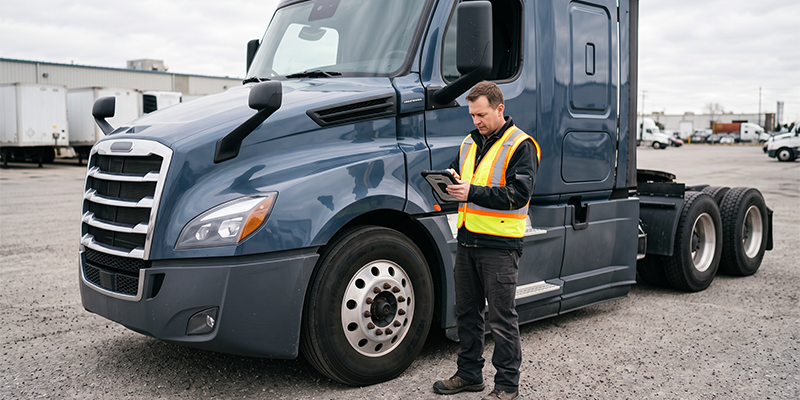
Does a DVIR have to be filed if no defects are found?
Not in every case. FMCSA has separate no-defect provisions that apply differently by vehicle class, including a 2014 exception affecting certain property-carrying vehicles and a separate 2020 passenger-carrier rule. Fleets should verify which provision applies to their vehicles rather than adopting a blanket no-defect DVIR policy.
The distinction matters because the two provisions are not the same rule. Treating every commercial vehicle as subject to an identical no-defect reporting requirement can create unnecessary paperwork or an incorrect inspection procedure.
Some carriers still choose to record a daily "no defect" report because it creates a consistent inspection history. That may help with internal reviews and audit preparation, but the practice should not be presented as a universal federal requirement.
|
Question |
Answer |
|
Is there a no-defect DVIR exception? |
Yes, but applicability depends on vehicle class and the relevant provision. |
|
What does the 2014 provision generally cover? |
Certain property-carrying commercial motor vehicles are subject to the conditions in the rule. |
|
What does the 2020 rule cover? |
Passenger-carrying commercial motor vehicles are under a separate rule. |
|
Should a fleet keep no-defect reports anyway? |
Many carriers do so to maintain record consistency, even when a report is not strictly required. |
How Long Must Fleets Keep DVIR Records?
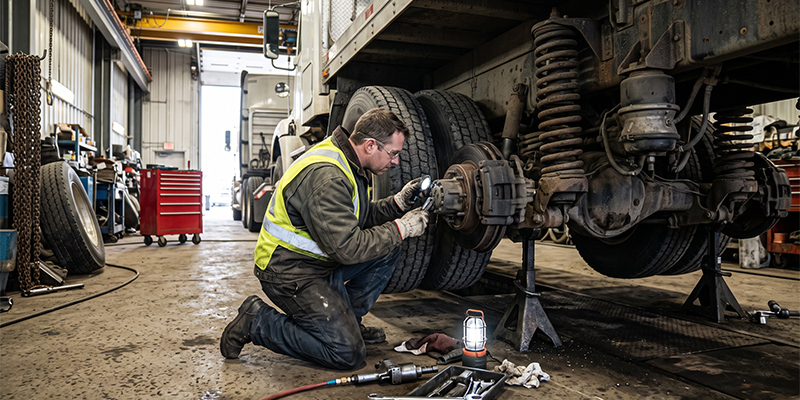
How long must a fleet keep DVIR records?
Daily DVIR records must generally be retained for at least 3 months from the date the report was prepared. That period applies specifically to the DVIR. Annual periodic inspection reports and general vehicle maintenance records have different, longer retention periods and should not be combined with the DVIR retention rule.
Electronic storage does not shorten the required retention period. Its practical benefit is easier retrieval when a safety manager, auditor, or internal reviewer needs to locate records for a particular vehicle or date.
|
Record Type |
Minimum Retention |
|
Daily DVIR |
3 months from the inspection date |
|
Annual periodic inspection report |
14 months |
|
General maintenance and repair records |
Life of the vehicle plus 6 months after disposal |
Fleets should confirm current requirements in §396.3 and §396.11 when establishing their record-retention policy. Fleet analytics and reports can also help organize records without treating DVIRs, periodic inspection reports, and maintenance histories as the same document type.
What Triggers a DVIR-Related Violation?

What triggers a DVIR-related violation during a DOT audit?
DVIR problems can include missing reports, absent or illegible signatures, incomplete no-defect documentation when required, and defects recorded without the necessary repair certification before redispatch. Auditors may also examine whether required reports were retained and whether the fleet can produce them when requested.
The chain of custody becomes particularly important when a driver identifies a defect affecting safe vehicle operation.
The report should show what happened after the defect was identified. When required, the carrier or a qualified mechanic must certify that the repair was completed or unnecessary before the vehicle is redispatched. The next driver then reviews the relevant report before operating the vehicle.
Fleets should also avoid relying on a fixed penalty amount quoted by a third-party site. Published figures can conflict, while federal civil penalty schedules may change. Current amounts should be confirmed directly through FMCSA sources.
General alerts and automation may help teams identify incomplete records or unresolved inspection issues sooner, but software alerts do not replace the required inspection, repair, or certification.
Would your DVIR records hold up in an audit today? If signatures, defect records, or repair certifications are inconsistent, talk to a specialist about your current process. Tracker Systems offers month-to-month service with no long-term contract.
Frequently Asked Questions
1. Who has to fill out a DVIR?
Drivers of commercial motor vehicles subject to applicable FMCSA inspection rules may need to complete DVIRs depending on vehicle type and operating requirements. Because vehicle weight, passenger capacity, and hazardous-material conditions can affect applicability, fleets should confirm the current scope of §396.11 for their vehicles.
2. What's the difference between a DVIR and a pre-trip inspection?
A pre-trip inspection is the driver's check before operating a vehicle. A DVIR is the written inspection record that documents the vehicle's condition and any required defects. The next driver may also need to review the previous report and confirm that reported safety defects were addressed before operating the vehicle.
3. What happens if a defect is found on a DVIR?
When a reported defect affects safe operation, the carrier or qualified mechanic must address it and provide the required certification before redispatch. The record should indicate whether the repair was completed or deemed unnecessary under the applicable requirement before the vehicle returns to service.
4. Can a GPS or ELD platform's DVIR feature replace a mechanic's sign-off?
No. A GPS or ELD platform can record, store, and organize DVIR information, including defect notes, signatures, certifications, and history. It does not inspect the vehicle, perform a physical repair, or replace the driver, carrier, or mechanic responsible for the required inspection and certification.
5. What triggers a DVIR-related violation during a DOT audit?
Common issues include missing reports, incomplete or illegible signatures, missing no-defect documentation where applicable, unresolved defects, and missing repair certifications. Auditors may also review record retention. Any current penalty amount should be checked directly with FMCSA rather than taken from an older third-party source.
What the 2026 DVIR Rule Means for Fleets
The underlying DVIR requirement did not suddenly change in 2026. What changed is the clarity around format. FMCSA now explicitly recognizes electronic DVIRs in the vehicle inspection regulations, giving fleets a clearer answer when deciding between paper and electronic records.
Tracker Systems has operated since 2003, providing US-based support to fleets across the United States. Fleets reviewing their inspection process can read about getting started with GPS vehicle tracking, compare monthly service plans, or continue with the related guide on filing IFTA.
If you want someone to confirm how DVIR fits alongside your existing ELD/HOS process, contact Tracker Systems.
Recent Posts
-

ELD Exemptions and Exceptions: What Actually Requires a Certified ELD
Many fleets assume every commercial vehicle needs an Electronic Logging Device (ELD), but that is no …Oct 27th 2026 -

How to File IFTA: Quarterly Fuel Tax Reporting and How GPS Data Automates It
Learning how to file IFTA is not difficult, thanks to the tax formula. The harder part is collecting …Oct 27th 2026 -

What Is a DVIR? How Driver Vehicle Inspection Reports Work in 2026
A driver vehicle inspection report, or DVIR, is a written record documenting a commercial vehicle's …Oct 26th 2026