
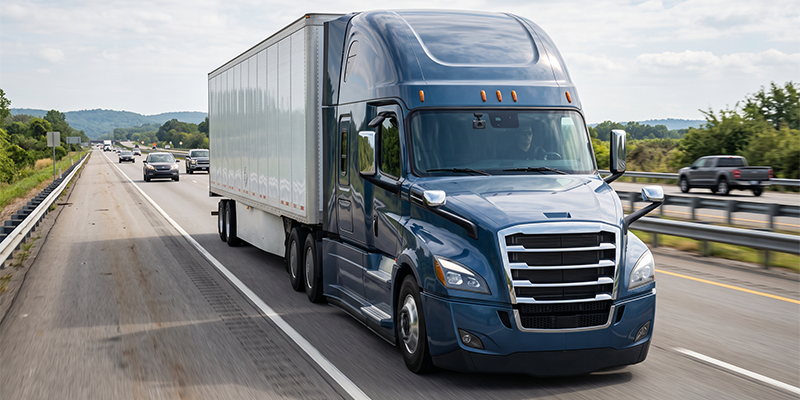
Driver Scorecards: Turning GPS and Dash Cam Data Into Safety Metrics
Most fleets already collect the information needed for a driver scorecard. GPS tracking systems, dash cams, and ELD platforms generate data about driving behavior, vehicle activity, and hours-of-service records every day. The challenge is turning those separate reports into a consistent measurement system.
A driver scorecard helps fleet managers organize safety metrics into a single view, making it easier to identify trends, recognize improvements, and create focused coaching conversations.
A written safety policy explains the standards drivers should follow. A scorecard measures how those standards are being followed. This article focuses on the measurement side: choosing the right metrics, developing a weighted scoring method, reviewing results, and using dash-cam evidence to support coaching.
A scorecard does not require predictive technology or an automatic scoring dashboard. Fleets can build one manually using existing GPS, dash cam, and ELD reports.
What Is a Driver Scorecard?
A driver scorecard is a method for consolidating multiple driver performance metrics into a single report or score. It can include information such as speeding events, idle time, harsh braking, rapid acceleration, hours-of-service records, and dash cam events. The goal is help with measuring driver behavior and guide coaching.
A scorecard is different from a written safety policy. A policy defines expectations, procedures, and consequences. A scorecard shows whether those expectations are being met.
It is also different from a single driver behavior report. For example, Tracker Systems' driver behavior resources provide information about individual metrics such as idle time. A scorecard combines several relevant metrics rather than focusing on a single activity.
For fleets building a broader safety process, the existing guide on standardizing driver safety policies can help establish the rules that a scorecard measures against.
What Metrics Belong on a Driver Scorecard?
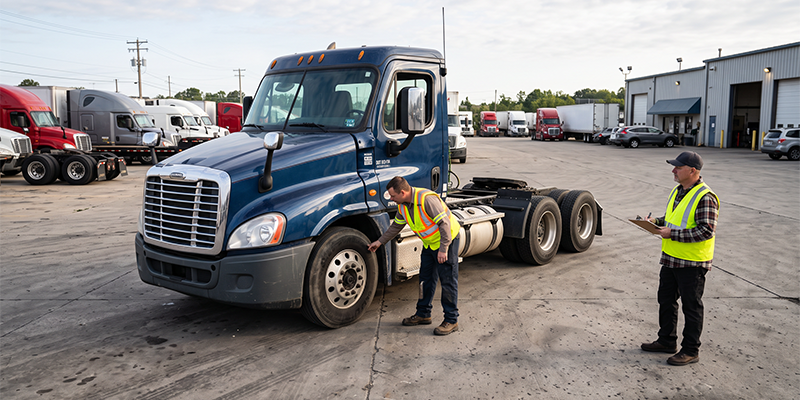
The most useful driver scorecard metrics are those that align with a fleet's safety goals and available data. Most fleets should start with a small group of meaningful measurements rather than tracking every available event. Five to eight well-chosen metrics usually create a clearer picture than a long list of minor data points.
The data sources should remain clearly separated. GPS reports provide information such as speeding, idle time, ignition activity, and geofence events. Dash cams provide event-triggered video clips for behaviors such as harsh braking and rapid acceleration. ELD systems provide hours-of-service information.
|
Metric |
Data Source |
Why It Matters |
|
Speeding events and frequency |
GPS speed alerts and reports |
Shows repeated speed-related behavior that may increase risk |
|
Idle time |
GPS idle reports and driver behavior data |
Helps identify unnecessary vehicle operation and fuel waste |
|
After-hours or unauthorized use |
GPS after-hours and geofence alerts |
Provides visibility into vehicle activity outside expected schedules |
|
Harsh braking and rapid acceleration |
Dash cam event alerts and video clips |
Provides evidence of aggressive driving behaviors |
|
Dash cam incident clips |
Dash cam video tracking |
Turns a number into a reviewable coaching example |
|
Hours-of-service compliance |
ELD duty-status data |
Connects operating behavior with HOS requirements |
The key is selecting metrics that your fleet can measure consistently. Adding too many categories can make the score harder to understand and harder for drivers to improve.
Fleet managers can review available reporting options through fleet management software, GPS fleet tracking, and related reporting tools.
Turning Events Into One Number
How is a driver's score usually calculated?
A driver score is usually calculated by assigning different weights to selected metrics based on their importance. A fleet may place greater importance on safety-related events and less on operational measurements. The weighted values are combined into a single score, often on a 0–100 scale, for easier comparison and review.
A basic scoring process can follow these steps:
- Select the metrics that matter most for your fleet.
- Decide how much weight each metric receives.
- Establish scoring rules for each behavior.
- Combine the results into one driver score.
- Review scores over time instead of judging a single event.
For example, a fleet may decide that speeding events carry more weight than idle time because they represent a different level of risk. Another fleet may adjust the weighting based on its vehicle type, routes, or safety priorities.
Does Tracker Systems automatically calculate a driver score?

No. Tracker Systems provides the underlying reports and data sources used to create a scorecard, but the platform does not automatically combine these metrics into a single weighted driver score. Fleets can create their own scoring method using exported reports, spreadsheets, or internal review processes.
The advantage of this approach is flexibility. A fleet can decide which behaviors matter most instead of relying on a fixed formula that may not match its operations.
Available fleet-tracking analytics can help managers review trends and organize performance data.
Review Cadence and Coaching Tiers
How often should scorecards be reviewed?
Driver scorecards should be reviewed on a consistent schedule rather than only after an accident or major incident. Many fleets choose weekly or monthly reviews, depending on fleet size, available staff, and driving activity. Regular reviews help managers identify patterns and provide coaching sooner.
A simple tier system can make results easier to act on:
- On track: Driver performance meets fleet expectations.
- Needs targeted coaching: One or more behaviors require discussion and improvement.
- Improvement plan: Repeated issues require documented follow-up and additional support.
The purpose of a scorecard is not only to rank drivers. It is to create a repeatable process for identifying behaviors, discussing improvements, and recognizing positive changes.
A coaching conversation soon after an event is usually more useful than waiting until the end of a quarter. Recent examples are easier for drivers and managers to review together.
Using Dash Cam Video to Make Coaching Concrete
Numbers alone do not always explain what happened. A driver with several instances of harsh braking may need context before a manager can determine whether the situation involved traffic conditions, road design, or a preventable action.
Dash cam video adds that context. A recorded event can show what happened before, during, and after a driving behavior was detected.
Video-based coaching can help with:
- Reviewing specific driving events
- Creating clearer conversations between managers and drivers
- Providing evidence instead of relying only on reports
- Supporting driver accountability
Tracker Systems' dash cam video-tracking solutions include event-triggered recordings and access to video clips. The system can help managers review incidents without needing to visit the vehicle.
Driver-facing cameras can provide additional visibility into the cab environment. Fleets using these tools should have a clear policy that explains camera use and informs drivers how recorded information is handled.
How a Driver Scorecard Fits With Your Safety Policy

A driver scorecard should support a written safety policy, not replace it.
A safety policy defines expectations, while a scorecard measures performance against those expectations. Together, they create a clearer process: drivers know the standards, managers have measurable information, and coaching discussions are based on specific behaviors.
A broader fleet safety program may include policies, training, vehicle maintenance practices, and performance reviews. The scorecard is one measurement tool within that larger process.
Frequently Asked Questions
1. Do I need special hardware to build a driver scorecard?
No. A fleet does not need a separate scorecard device. If you already use GPS tracking, dash cams, or ELD reporting, you may have the raw information you need. A scorecard is a method of organizing and reviewing that information consistently.
2. How many metrics should a driver scorecard include?
Most fleet safety guidance recommends keeping scorecards focused on a limited set of key metrics. Five to eight metrics can provide useful visibility without making the score difficult to get or maintain. The right number depends on fleet goals and available reporting data.
3. Can a small fleet build a scorecard without dedicated software?
Yes. A small fleet can begin with a spreadsheet that combines information from GPS reports, dash cam events, and ELD records. Dedicated scoring software may reduce manual work, but a clear scoring method and consistent review process are the foundation.
4. Should every driver see their own score?
Many fleets choose to share individual results with drivers because transparency can support coaching conversations. Drivers should know how scores are calculated, which behaviors affect the score, and what steps they can take to improve their results.
5. Does a driver scorecard replace a written safety policy?
No. A scorecard measures performance, while a safety policy defines expectations and procedures. The two work together. A policy explains what drivers should do, and a scorecard helps managers evaluate whether those expectations are being followed.
Building a Driver Scorecard With Data You Already Have
A driver scorecard does not require a complicated system. Most fleets already collect valuable information through GPS tracking, dash cams, and ELD platforms. The important step is creating a consistent method for reviewing that information.
Tracker Systems has operated since 2003 with US-based support for fleets nationwide. If you want to know what your current reports can provide, review the "Getting Started with GPS Vehicle Tracking" guide or compare monthly service plans.
If you need help organizing your existing GPS, dash cam, or ELD data for review, contact Tracker Systems for guidance.
Recent Posts
-

ELD Exemptions and Exceptions: What Actually Requires a Certified ELD
Many fleets assume every commercial vehicle needs an Electronic Logging Device (ELD), but that is no …Oct 27th 2026 -

How to File IFTA: Quarterly Fuel Tax Reporting and How GPS Data Automates It
Learning how to file IFTA is not difficult, thanks to the tax formula. The harder part is collecting …Oct 27th 2026 -

What Is a DVIR? How Driver Vehicle Inspection Reports Work in 2026
A driver vehicle inspection report, or DVIR, is a written record documenting a commercial vehicle's …Oct 26th 2026