
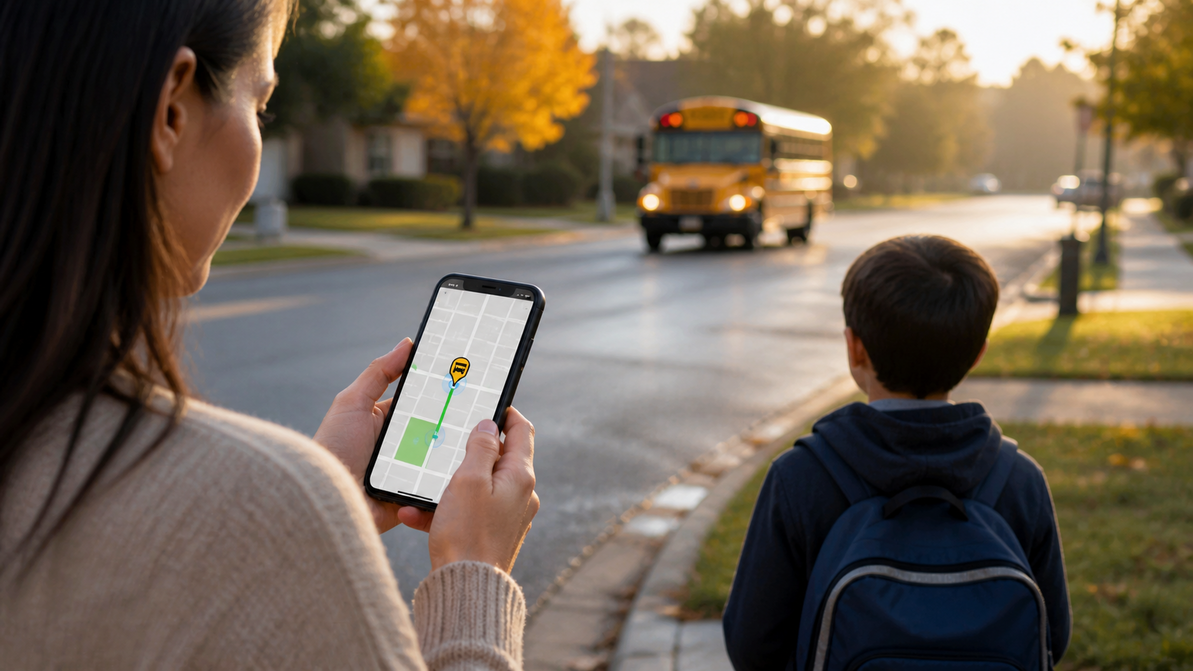
GPS Tracking for School Bus Fleets- Safety, Routing, and Parent Transparency
Every school day starts with the same expectation- students should get to school safely and on time, and parents should feel confident about the trip. But school transportation teams often deal with late buses, unclear routes, parent complaints, and limited visibility once buses leave the lot. A missed stop, traffic delay, or lack of communication can quickly create stress for schools and families alike. That is why many districts and transport providers are turning to a GPS tracking system to improve daily operations. A well-planned bus tracking system provides schools with better visibility, helps reduce delays, supports safer driving habits, and gives parents a clearer view of the bus's location during pickup and drop-off. For schools managing growing transportation demands, school bus GPS tools are no longer just a convenience. They are becoming a practical part of modern student transportation.
What Is a School Bus Tracking System?
A school bus GPS tracking system is a location based monitoring system that uses connected devices and software to show a school bus's location in real time. In simple terms, it helps transportation teams see a
bus's live position, review route history, and monitor activity throughout the day. This type of GPS tracking system converts bus movement into usable data for dispatchers, school administrators, and, in some cases, parents.
At its core, a school transportation platform combines location tracking, route data, driver oversight, and reporting. It is part of a wider GPS fleet tracking setup, but it is focused on student transportation needs rather than general commercial delivery or service vehicles. That means safety, route consistency, communication, and accountability matter just as much as vehicle location.
A strong GPS tracking system for fleet use in schools can help answer practical questions quickly. Is the bus on schedule? Has it left the school yet? Did it complete the planned route? Was there an unexpected stop or delay? Instead of relying on radio calls or assumptions, transportation teams can see what is happening with better clarity.
For school leaders, this gives better control over daily operations. For parents, it helps reduce the uncertainty that comes with waiting for a bus that may be running behind. For drivers, it creates a more structured and trackable workday.
Improving Safety with GPS Tracking
Student safety is the first reason many schools consider a school bus GPS tracking system. When a bus can be viewed in real time, dispatchers and transportation staff have a much better chance of responding quickly if something goes wrong. A route deviation, long stop, unexpected delay, or roadside issue becomes easier to spot and address.
A GPS tracking system helps improve safety in several ways. First, it provides live vehicle visibility. If a bus is delayed due to traffic or weather, staff can see that immediately rather than waiting for a phone update. Second, it supports faster emergency response. If a vehicle breaks down or an incident occurs, the exact location is easier to identify and share. Third, it allows schools to review patterns over time and identify recurring concerns, such as problem intersections, repeated delays, or driver behavior issues.
This is where fleet safety solutions become especially useful. School transportation is not only about moving students from one place to another. It is about doing so with consistency and care. A bus that follows approved routes, stays on schedule, and can be monitored in real time gives schools stronger oversight.
There is also value in using GPS for bus drivers as part of a broader safety process. Tracking can help confirm route adherence and support coaching around speeding, idle time, harsh braking, or inefficient driving habits when those features are available. That does not mean technology replaces training. It means staff have better information to support safer operations.
For many schools, safety is not just about preventing major incidents. It is also about reducing daily uncertainty. The more clearly a transportation team can see its fleet, the easier it becomes to manage risk.
Optimizing School Bus Routes with GPS
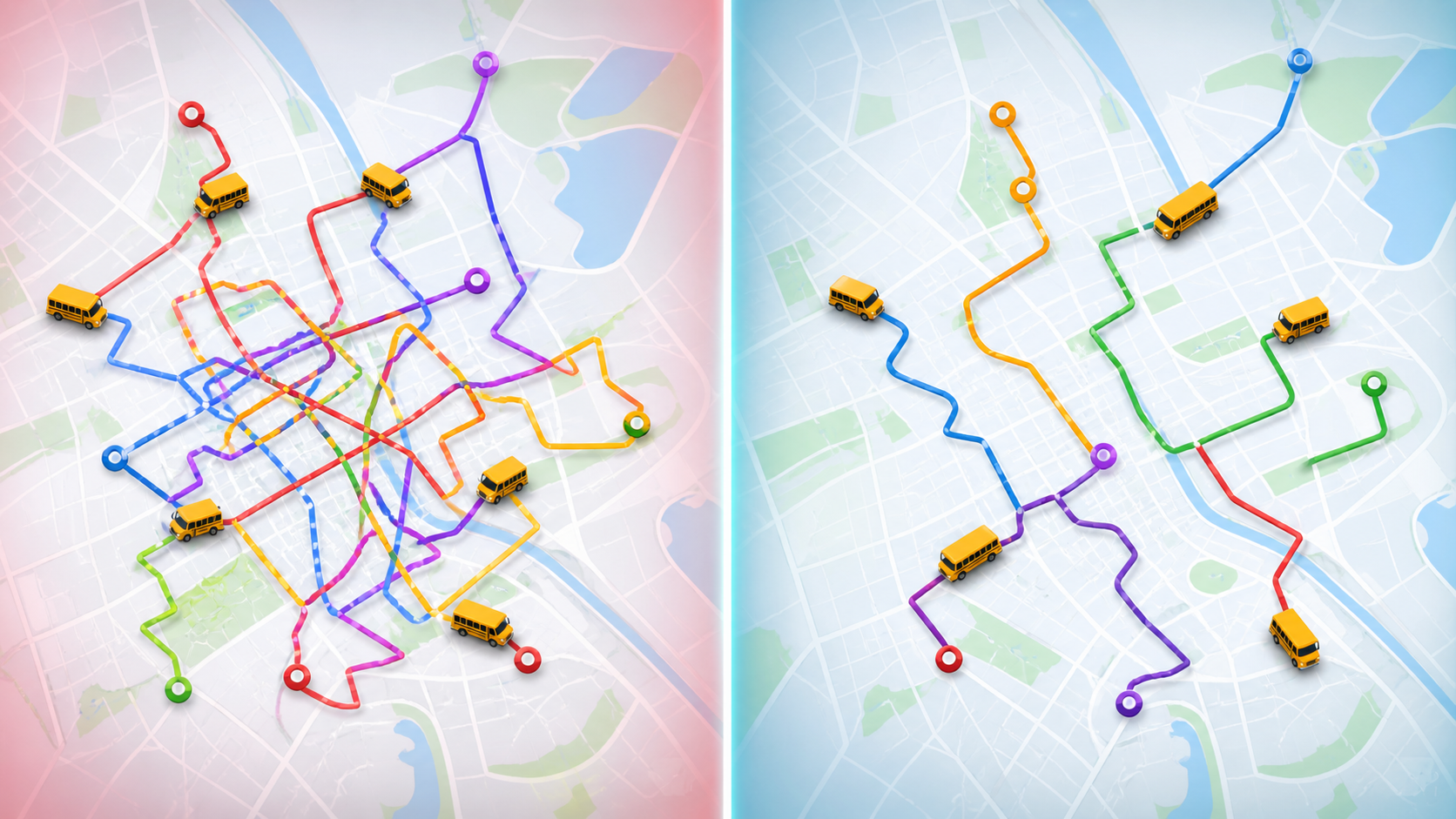
Route planning directly affects the quality of school transportation. A slow route can lead to late arrivals, longer student ride times, higher fuel consumption, and more complaints from families. That is why GPS fleet tracking is valuable beyond simple location visibility. It helps schools understand how buses move in real-world conditions and where route changes may be needed.
With bus GPS tracking, transportation teams can review route history, spot patterns, and make better decisions about pickup order, timing, and traffic avoidance. A route that looks fine on paper may perform poorly during morning congestion or after-school dismissal traffic. Live and historical data can reveal those gaps.
This matters because school routes are rarely static. Road work, seasonal traffic, weather, staffing issues, and student changes can all affect performance. A GPS transportation setup makes it easier to adjust rather than rely on guesswork. Schools can identify unnecessary idle time, repeated bottlenecks, missed timing windows, or routes that create uneven workloads across the fleet.
There are also practical cost benefits. Better routes can reduce fuel waste, relieve overtime pressure, and extend vehicle life by avoiding excessive delays and inefficient driving patterns. More importantly, better routing improves the daily experience for students and families. Shorter and more reliable trips build trust.
For transportation vendors and contractors, this level of route visibility can also strengthen service quality. When route performance is clearly reviewed, teams can respond faster and show schools that decisions are based on real operating conditions rather than assumptions.
Real-Time Bus Tracking for Parents
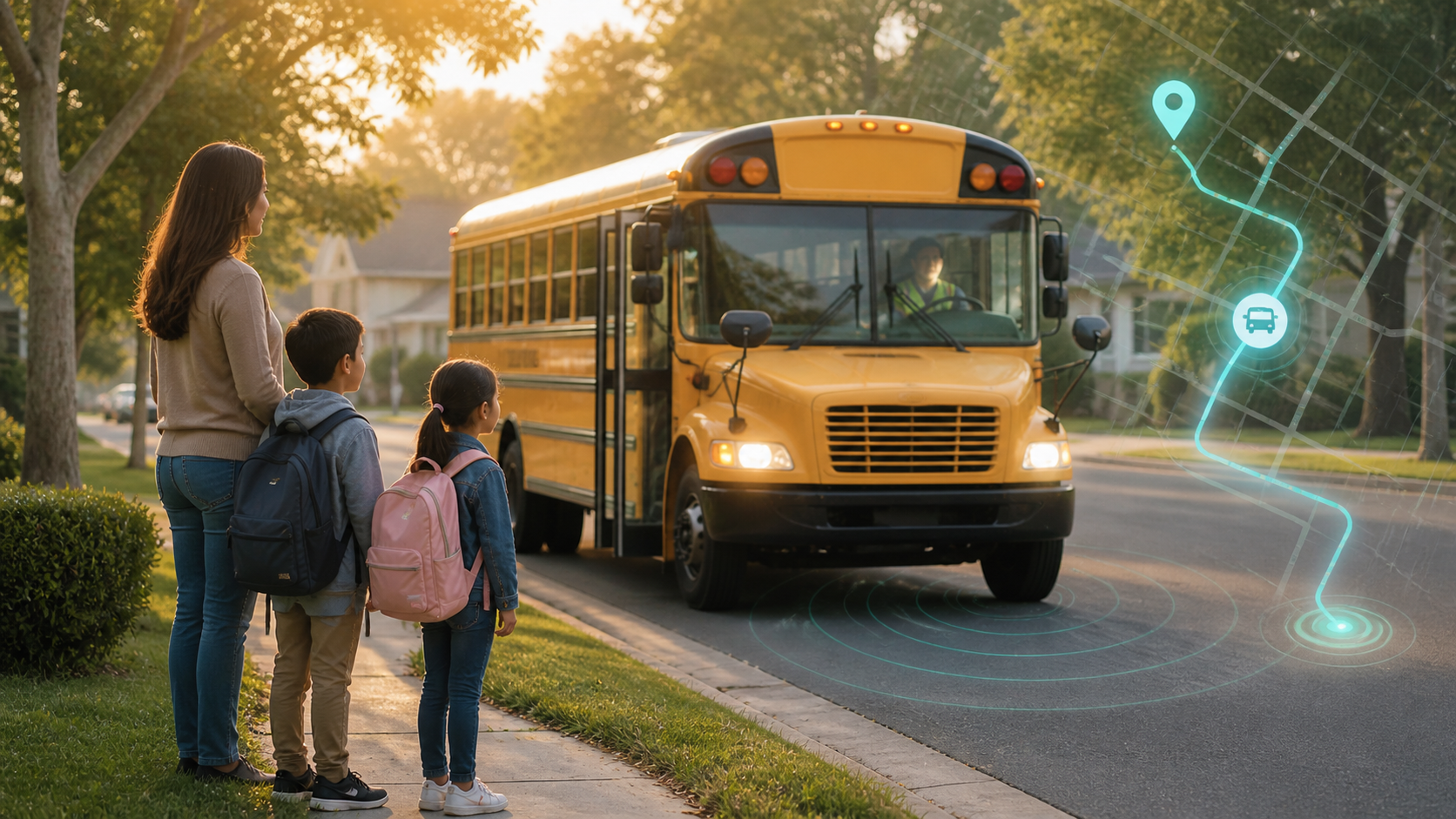
For parents, the biggest advantage of a real-time bus tracking system is simple- they can know where the bus is without relying on uncertainty. That matters during early morning pickups, afternoon drop-offs, bad weather, traffic delays, or schedule changes. When parents do not know whether a bus is five minutes away or twenty minutes late, frustration grows quickly.
A parent-facing GPS bus tracker can reduce that pressure by giving families a clearer picture of the trip. Instead of calling the school office or waiting outside without answers, parents can receive updates, monitor bus movement, or get notifications tied to arrival times when that feature is available.
This also helps schools. Parent calls often increase when buses are late or communication is limited. Better visibility can reduce the need for repeated check-in calls and reduce pressure on administrative staff. When families feel informed, they are more likely to remain patient during unavoidable disruptions.
The value of school bus GPS tools for parents goes beyond convenience. It is also about reassurance. Student transportation is personal. Parents want to feel that the school takes bus safety and communication seriously. A system that supports visibility helps build that confidence.
A well-run school bus GPS tracking system strengthens the connection between schools and families. It shows that transportation is being managed with care and that schools are willing to share useful information rather than keep parents in the dark.
Critical Features of School Bus Tracking Systems
Not every platform offers the same level of value, so schools should understand the critical features of school bus tracking systems that USA teams often look for when comparing options. The goal is not to collect every possible tool. It is to choose the features that improve safety, accountability, communication, and daily route management.
One essential feature is live location tracking. A GPS tracking system should clearly show the current bus position for dispatch and oversight. Another important feature is route history, which helps transportation teams review completed trips and investigate delays or route deviations.
Alerts and notifications are also useful. These may include route changes, long stops, departure timing, arrival windows, or activities that fall outside expected patterns. Reporting tools matter as well, especially for schools trying to review route performance, driver activity, or service consistency over time.
A good system should also support parent transparency where appropriate. That may involve a portal, mobile access, or automated status updates. Ease of use matters here. If the information is hard to access or interpret, families and staff may not fully benefit from it.
Finally, schools should consider how the platform supports broader oversight of transportation. Strong GPS tracking system tools help connect daily movement with decisions that improve operations over time. That is what makes the data useful rather than just visible.
Security Features and Compliance Standards
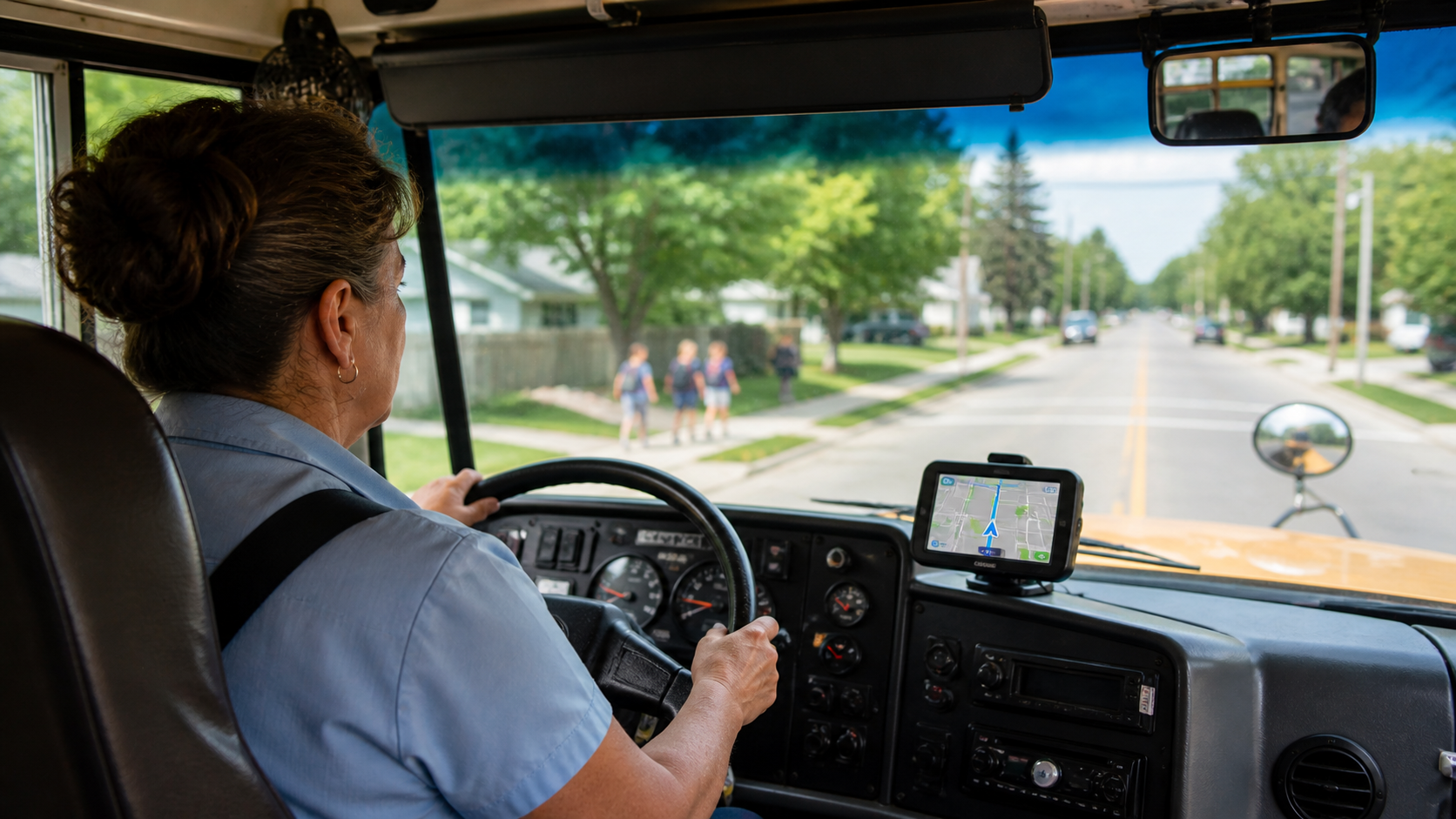
Location visibility brings benefits, but student transportation also requires careful handling of access, privacy, and oversight. That is why the security features of school bus tracking systems in the USA matter as much as the live map itself. Schools need confidence that location data is being accessed appropriately and used for the right reasons.
A good school bus GPS tracking system should support controlled access for different users. Transportation staff may need full operational visibility, while parents may only need limited trip-specific information tied to their child’s bus. Access should be structured to balance visibility with privacy.
Schools also need reliable reporting and data records. When transportation issues happen, having a clear history can support internal review, parent communication, or contractor oversight. That kind of recordkeeping is part of what makes fleet safety solutions useful in a school setting.
Compliance is another consideration. Student transportation standards can vary by district, operator, and state requirements, but the broader point remains the same- schools need tools that support responsible oversight. A tracking platform should help transportation leaders demonstrate that routes are monitored, activities are reviewable, and service concerns can be investigated using actual data.
Security in this context is not only a technical issue. It is a trust issue. Schools are responsible for students during transit, and any technology used in that process should support that responsibility.
Benefits for Schools and Transport Providers
The long-term value of GPS fleet tracking goes beyond daily location checks. Over time, the system can support better decision-making across safety, communication, staffing, route planning, and service quality. For schools and transportation providers, this can lead to stronger operations and fewer avoidable problems.
A reliable bus tracking system can help reduce delays, reduce parent complaints, improve route consistency, and strengthen driver accountability. These are practical outcomes that matter in school transportation because small breakdowns in communication or timing tend to affect many people at once.
For school administrators, the benefit is greater visibility without needing to micromanage every route manually. For transportation directors, the benefit is stronger control over daily operations. For private contractors, the benefit may include better reporting, clearer service proof, and stronger client trust.
There can also be cost-related gains. When routes are more efficient, and delays are easier to address, schools may use staff time more effectively and avoid some waste tied to fuel, overtime, or scheduling issues. While results vary, the general benefit is better control over transportation performance.
Most importantly, a strong school bus GPS tracking system supports a better experience for everyone involved. Students receive safer, more reliable transportation. Parents get better transparency. Schools get more confidence in their bus operations.
Frequently Asked Questions
1. What is a school bus GPS tracking system?
A school bus GPS tracking system is a location-based platform that helps schools monitor bus movement in real time. It uses a GPS tracking system to show where buses are, review route history, and support safer and more organized transportation operations.
2. How does GPS tracking improve school bus safety?
A GPS tracking system improves safety by providing transportation teams with live bus visibility, enabling faster responses to delays or issues, and helping staff review route adherence and driving behavior. These functions make fleet safety solutions more practical in daily school transportation.
3. How do parents track school buses in real time?
Parents typically use a parent-facing portal, app, or notification feature connected to a real-time bus tracking system. A GPS bus tracker can help families monitor bus status, estimate arrival times, and reduce uncertainty during pickup and drop-off.
4. What are the benefits of bus tracking systems?
A bus tracking system can improve route visibility, reduce delays, support safer operations, increase driver accountability, and improve communication with parents. It also helps schools make better transportation decisions by using real route data rather than assumptions.
5. What features should a school bus tracking system have?
The most useful features often include live tracking, route history, alerts, reporting, and parent visibility tools. Schools reviewing the critical features of school bus tracking systems in the USA often focus on safety, oversight, communication, and ease of use.
6. Is GPS tracking safe for student transportation?
Yes, when managed properly, GPS-based tracking supports safer student transportation by improving visibility and oversight. The security features of school bus tracking systems in the USA should also help schools manage access carefully and protect transportation data.
7. How does GPS tracking help bus drivers?
GPS for bus drivers can support route consistency, reduce confusion on changing routes, and improve communication with dispatch. It can also provide useful records for performance review, coaching, and daily route management.
Wrapping Up
School transportation works better when schools can see what is happening in real time, respond faster to problems, and keep families informed. A dependable school bus GPS tracking system helps schools improve safety, support route planning, and provide the kind of transparency parents increasingly expect. It also gives transportation teams stronger oversight without adding unnecessary complexity to daily operations. For districts, private schools, and student transport providers, the value is clear- better visibility leads to better decisions. Track your school buses in real time with GPS data and ensure safety, efficiency, and transparency with Tracker Systems.
Recent Posts
-

How GPS Tracking Helps Businesses Meet Fleet Compliance and Regulatory Requirements
One missed 30-minute break. One unlogged mile. That is sometimes all it takes to trigger a roadside …Oct 12th 2026 -

Calculating the ROI of GPS Fleet Tracking for Your Business
Every GPS tracking vendor will tell you that their product pays for itself. Search around, and you w …Oct 5th 2026 -
How GPS Tracking Helps Electrical Contractors Manage Multiple Crews
An electrical contractor running four crews across four job sites is effectively managing four separ …Sep 28th 2026