
How Asset Tracking Reduces Losses in Equipment Rental Businesses
Equipment rental businesses lose money in ways that are not always immediately visible. A machine may be returned late. A trailer may sit unused in the wrong yard. A rented unit may be moved outside an approved area. A small tool may go missing between job sites. Over time, these issues turn into missed revenue, replacement costs, billing disputes, and customer service problems.
This is why asset tracking has become a practical requirement for rental operations that manage equipment across jobsites, branches, yards, and customer locations. With the right GPS tracker setup, rental companies can see where assets are, how they are being used, and whether they are moving as expected.
For rental businesses, tracking is not only about theft recovery. A GPS tracker for rental equipment can support better rental control, stronger inventory planning, improved asset visibility, and more accurate usage records. When combined with rental equipment tracking software, GPS asset tracking can help reduce preventable losses and improve daily decision-making.
Why Equipment Rental Businesses Lose Assets and Revenue
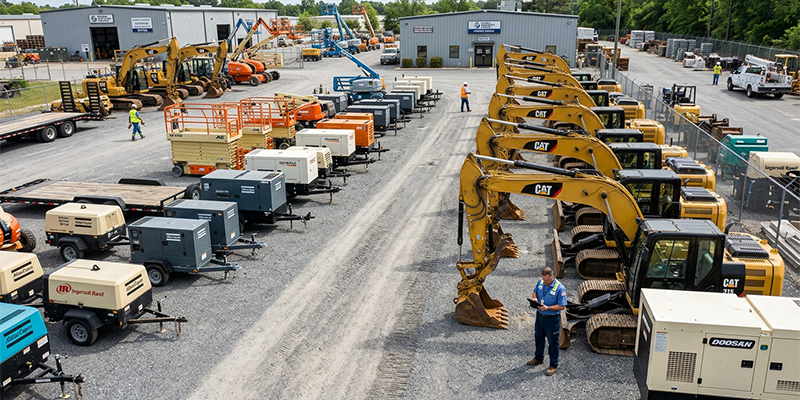
Equipment rental companies face a different type of asset control problem than standard fleet operators. Their equipment is constantly leaving company property, moving between customers, being returned at different times, and sometimes being transferred between branches.
Losses can happen in several ways. Equipment may be stolen from a jobsite. A customer may keep a machine longer than expected. A unit may be returned but not checked back into the correct inventory location. A trailer may be moved without notice. Smaller rented assets may be misplaced during job site transitions.
These problems affect revenue in two main ways. First, the business may lose the physical asset or incur costs to recover it. Second, the asset may become unavailable for the next rental, which creates missed booking opportunities.
Traditional check-in and check-out records are helpful, but they do not always show what happens once the equipment leaves the yard. That is where equipment tracking systems add value. They help rental teams monitor location, movement, and asset status while equipment is in the field.
Better equipment inventory management gives rental businesses a clearer picture of which assets are available, rented, delayed, idle, or at risk.
How Asset Tracking Improves Rental Equipment Control
Asset tracking gives rental companies a live or near-live view of equipment location and movement. Instead of waiting for customer updates or relying only on manual logs, teams can check where a rented asset is and whether it is still within the expected area.
A rental equipment tracker can be installed on machines, trailers, generators, compressors, lifts, and other high-value assets. Once active, the tracker helps the rental company monitor equipment outside the yard and confirm whether it is being used in accordance with the rental agreement.
This creates stronger control at each stage of the rental cycle. Before dispatch, teams can confirm that the asset is available. During the rental, they can monitor the location and movement. In return, they can verify that the asset has returned to the correct location.
A GPS tracking device for rental equipment is especially useful when assets are spread across multiple customer sites. Rental teams do not need to depend only on phone calls to locate equipment. They can view the asset in the tracking platform and make faster decisions.
Tracker Systems helps rental companies improve operational control through GPS-based visibility, helping teams reduce uncertainty once equipment leaves the yard.
The Role of GPS Asset Tracking in Equipment Theft Prevention
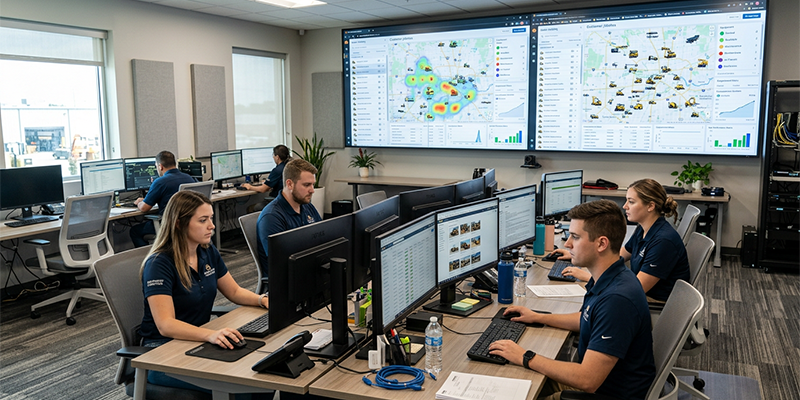
Theft is one of the most serious risks in the rental industry. Rental equipment is often used on open jobsites, temporary work areas, roadside projects, and customer locations where access control may be limited.
GPS asset tracking supports equipment theft prevention by helping companies monitor equipment location and detect when it moves outside expected areas. If an asset moves after hours or leaves a jobsite without approval, the rental team can respond sooner.
This is important because recovery often depends on speed. The longer the stolen equipment goes untracked, the harder it may be to recover. A GPS tracker gives the business a stronger chance of locating the asset before it is hidden, stripped, resold, or moved across a long distance.
GPS equipment tracking also helps create accountability. When customers know that high-value equipment is tracked, they may be more careful about where it is stored and how it is protected. For rental companies, this can reduce risk while still supporting professional customer relationships.
The goal is not to assume every movement is suspicious. The goal is to identify unusual movements early enough to act.
How Rental Equipment Tracking Software Reduces Inventory Confusion
Inventory confusion is one of the most common causes of preventable rental losses. A machine may be listed as available in the system, but it may still be at a customer site. A unit may be physically returned but not marked correctly. A branch may believe it has equipment ready when the asset is actually located elsewhere.
Rental equipment tracking software helps connect field location data with inventory control. When teams can see where assets are, they can make better rental, dispatch, and return decisions.
This improves equipment inventory management in several ways. Staff can confirm the equipment's actual location before promising it to a customer. Managers can see which assets are still in the field. Branch teams can reduce time spent searching yards, calling drivers, or checking paperwork.
A rental equipment tracker can also help reduce disputes. If a customer says equipment was returned, location history may help confirm when it came back. If a unit was moved away from the agreed site, tracking data can help clarify what happened.
For rental teams, this type of asset visibility helps reduce manual guesswork. It also creates a more accurate picture of the rental fleet.
Improving Asset Utilization Across Rental Fleets
Losses are not always caused by theft or missing equipment. Rental businesses can also lose money when equipment sits unused, is poorly assigned, or remains at a location longer than needed.
Asset utilization measures how effectively equipment is being used. In rental operations, strong utilization means equipment is earning revenue instead of sitting idle in a yard, stuck at a jobsite, or held by a customer without an active rental need.
GPS equipment tracking helps managers see patterns that are hard to catch manually. Some assets may be in high demand. Others may sit unused for long periods. Some locations may have more equipment than needed, while another branch may regularly run short.
With better tracking data, rental companies can move equipment to areas with stronger demand, reduce unnecessary purchases, and identify underperforming assets.
Fleet and asset tracking is especially helpful for rental businesses that manage both vehicles and equipment. A company may need to track delivery trucks, service vehicles, trailers, and rental units in one system. This gives managers a clearer view of the entire operation, rather than separating vehicle and equipment movements.
Tracker Systems supports this broader view by helping teams monitor assets and vehicles together, thereby improving planning and reducing idle inventory.
Reducing Late Returns and Unauthorized Equipment Movement
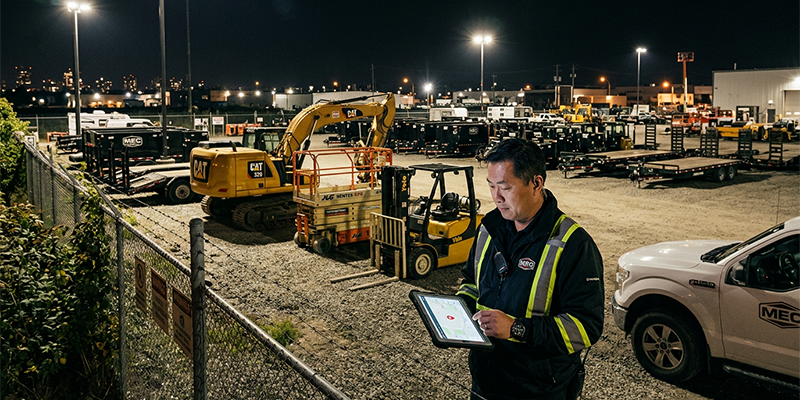
Late returns create scheduling problems for rental businesses. If a machine is not returned on time, the next customer may be delayed. The rental company may need to substitute another asset, adjust delivery plans, or risk losing the booking.
A GPS tracker for rental equipment helps teams see whether equipment is still at the customer site, in transit, or already back at a yard. This reduces the need for repeated calls and gives staff a clearer answer when planning the next rental.
Tracking can also help identify unauthorized movement. A customer may move equipment from one jobsite to another without approval. In some cases, this may violate rental terms, increase risk, or create billing issues.
A GPS tracking device for rental equipment enables rental businesses to monitor equipment movement without relying entirely on customer updates. If equipment leaves the agreed location, the team can quickly contact the customer to clarify the situation.
This supports equipment loss prevention because unauthorized movement is often the first warning sign before equipment becomes harder to locate.
How Asset Visibility Helps With Maintenance and Service Planning
Rental equipment must be ready when customers need it. If maintenance is missed, the business may face breakdowns, emergency repairs, dissatisfied customers, and lost rental days.
Asset visibility helps service teams know where equipment is and when it may need attention. If a unit is at a customer site, the team can plan service visits more accurately. If a machine is due to return soon, maintenance can be scheduled before the next rental.
Some tracking setups can also support usage-based planning. Instead of relying only on calendar dates, rental companies can review movement and usage patterns to decide when equipment should be inspected.
This is where GPS asset tracking connects directly with daily operations. It helps teams avoid the problem of finding out too late that a machine needs service. It also reduces the chance of sending equipment back into the field before it is ready.
For rental companies, maintenance visibility supports better customer service and lowers the risk of preventable downtime.
Using Equipment Tracking Systems to Support Billing Accuracy
Billing issues can create hidden losses in rental businesses. A customer may keep equipment longer than planned. Equipment may be moved to another location. Usage may continue after the expected return date. Without clear records, these situations can become difficult to manage.
Equipment tracking systems can improve billing accuracy by providing rental companies with clearer location and movement records. If an asset remains at a customer site after the rental period, the team can follow up sooner. If equipment is returned late, tracking history may help confirm the timeline.
This does not replace good contracts or internal rental procedures. However, it provides teams with stronger operational evidence when questions arise about location, return time, or movement.
A GPS tracker can also help reduce lost billable time. When teams know equipment is still in use or off-site, they can update the rental record rather than allowing the asset to remain unbilled.
For rental companies with many active rentals, this can make a meaningful difference over time.
Best Practices for Equipment Loss Prevention in Rental Businesses
The first step in equipment loss prevention is deciding which assets need to be tracked. High-value equipment, mobile machines, trailers, generators, compressors, lifts, and frequently rented items should be reviewed first.
Second, rental companies should use tracking data during the full rental cycle. Tracking should not only be used after something goes missing. It should support dispatch, delivery, rental monitoring, return planning, service scheduling, and inventory review.
Third, teams should create clear internal rules. Staff should know when to check tracking data, when to follow up with customers, and what type of movement should trigger concern.
Fourth, tracking should be connected with customer communication. If a tracked asset leaves an approved area, the first step may be a simple call to confirm whether the customer moved it for a valid reason.
Finally, rental companies should regularly review utilization data. Asset utilization helps identify which equipment is earning revenue, which assets are underused, and where inventory should be moved.
Tracker Systems helps rental businesses leverage tracking visibility as part of daily rental control, not just as a recovery tool after a loss.
FAQ
1. What is asset tracking for equipment rental businesses?
Asset tracking for equipment rental businesses means monitoring the location, movement, and status of rental equipment. It helps companies know where assets are, whether they are available, and whether they are being used as expected.
2. Why should rental companies use a GPS tracker for rental equipment?
A GPS tracker for rental equipment helps rental companies monitor assets after they leave the yard. It supports theft prevention, late-return management, inventory control, and faster recovery when equipment is moved without approval.
3. What is a rental equipment tracker?
A rental equipment tracker is a tracking device installed on rental assets such as machines, trailers, generators, lifts, and other equipment. It helps rental teams see location and movement data through a tracking platform.
4. How does a GPS tracking device for rental equipment reduce losses?
A GPS tracking device for rental equipment reduces losses by helping companies locate assets, monitor unauthorized movement, confirm returns, and respond faster when equipment is missing or moved outside an approved area.
5. What is GPS asset tracking?
GPS asset tracking uses GPS technology to monitor the location and movement of equipment, tools, trailers, and other business assets. For rental companies, it helps improve visibility, reduce theft risk, and support better inventory planning.
6. How does rental equipment tracking software help with inventory management?
Rental equipment tracking software helps teams see where equipment is located, whether it is rented or available, and when it may return. This supports better equipment inventory management and reduces time spent searching for assets.
7. Can GPS equipment tracking help prevent theft?
Yes. GPS equipment tracking can support equipment theft prevention by alerting teams to unusual movement and helping locate assets if they are stolen or moved without approval.
8. What is fleet and asset tracking?
Fleet and asset tracking means monitoring both vehicles and equipment through a single tracking process. Rental companies use it to manage delivery trucks, service vehicles, trailers, and rental assets together.
9. Why is asset utilization important in equipment rental?
Asset utilization shows how effectively rental equipment is being used. Higher utilization means more assets are earning revenue. Lower utilization may show idle inventory, poor placement, or equipment that should be moved, rented differently, or retired.
10. How does asset visibility reduce equipment loss?
Asset visibility reduces equipment loss by giving rental teams a clear view of where equipment is located and how it is moving. This helps prevent misplaced assets, late returns, unauthorized movement, and avoidable inventory confusion.
Recent Posts
-
How GPS Tracking Helps Businesses Meet Fleet Compliance and Regulatory Requirements
One missed 30-minute break. One unlogged mile. That is sometimes all it takes to trigger a roadside …Oct 12th 2026 -

Calculating the ROI of GPS Fleet Tracking for Your Business
Every GPS tracking vendor will tell you that their product pays for itself. Search around, and you w …Oct 5th 2026 -

How GPS Tracking Helps Electrical Contractors Manage Multiple Crews
An electrical contractor running four crews across four job sites is effectively managing four separ …Sep 28th 2026