
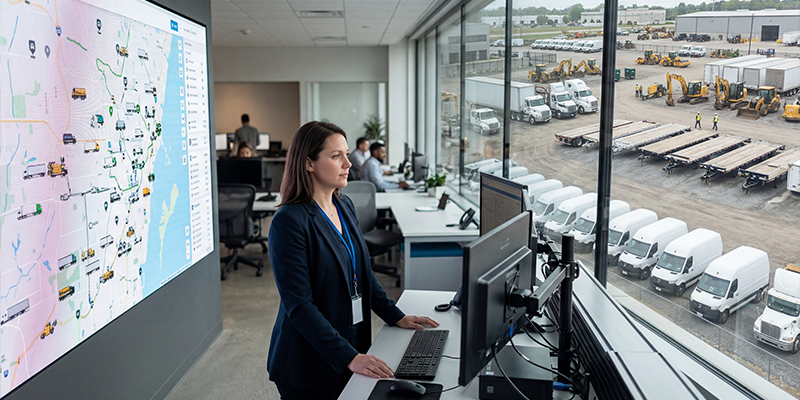
Managing Mixed Fleets Vehicles, Trailers, and Equipment in One Platform
Managing a fleet is no longer just about knowing where vehicles are. Many businesses now manage service vans, trucks, trailers, generators, compressors, containers, yellow iron, and other field assets simultaneously. When each asset type is tracked separately, managers lose the full picture of daily operations.
A mixed fleet creates a different challenge. Vehicles move with drivers. Trailers may sit detached for days. Equipment may move between job sites, remain idle, or operate without a direct driver assigned to it. Without the right fleet management platform, these assets can become difficult to locate, measure, maintain, and report on.
That is why many businesses are moving toward unified fleet tracking software. Instead of checking one system for trucks, another for trailers, and a spreadsheet for equipment, managers can use one dashboard for vehicle and equipment tracking. This improves fleet visibility, reduces manual work, and provides operations teams with clearer information when they need to make quick decisions.
For companies in construction, logistics, utilities, field service, and commercial fleet management, a single platform can make mixed-asset operations easier to manage.
Why Mixed Fleets Are Harder to Manage Than Vehicle-Only Fleets
A mixed fleet includes multiple asset types such as service vehicles, trailers, and heavy equipment managed under one operation. These assets do not all behave the same way, which is why managing them through a single vehicle-only process often creates problems.
Mixed fleets require different tracking strategies because vehicles, trailers, and heavy equipment move, operate, and report data differently.
A truck usually has power, a driver, a defined route, and regular movement. A trailer may be dropped at a yard, jobsite, warehouse, or customer location without anyone assigned to it at that moment. Heavy equipment may be used for a few hours, moved to another site, and then remain idle for several days.
This creates blind spots in commercial fleet management. A manager may know where the vehicle is, but not where the trailer went after it was detached. A construction manager may know which jobsite needs a machine but not whether that machine is available, active, idle, or already scheduled for maintenance.
Trailer tracking systems and heavy equipment tracking solve different problems from standard vehicle tracking. Trailers need location updates, movement alerts, and utilization visibility even when disconnected from a truck. Heavy equipment needs tracking that supports job-site movement, operating hours, theft prevention, and maintenance planning.
When a company manages all of these asset types together, it needs more than a simple vehicle map. It needs a full mixed-fleet view.
The Operational Problems Caused by Disconnected Tracking Systems
Disconnected systems are one of the biggest reasons mixed fleets become difficult to manage. A company may use one tool for vehicles, another for trailers, another for equipment, and spreadsheets for reporting. Each system may work on its own, but the total process becomes harder to manage.
The first problem is limited fleet visibility. Managers may have to switch between platforms to answer simple questions. Where is the trailer? Which vehicle last moved it? Is the equipment still on the jobsite? Has the service truck arrived? When these answers are spread across different systems, dispatch and operations slow down.
The second problem is reporting inconsistency. Fleet tracking software may show mileage and routes, while asset tracking solutions may show location and movement, and maintenance records may sit elsewhere. This makes it harder to produce a single, clean report across the entire fleet.
The third problem is manual work. Teams often copy data from multiple dashboards into spreadsheets. This increases the chance of outdated records, missed updates, and reporting errors. It also takes time away from higher-value work such as improving asset use, reducing downtime, and planning maintenance.
A unified platform differs from separate systems because it connects mixed assets into a single operational view. Managers can see vehicles, trailers, and equipment together instead of treating each category as a separate world. That makes daily decisions faster and reporting more dependable.
Tracker Systems helps businesses consolidate vehicle, trailer, and equipment data into a single tracking environment, enabling teams to move away from disconnected processes.
How a Unified Fleet Management Platform Improves Fleet Visibility
A centralized fleet management platform gives dispatchers and managers real-time visibility into vehicles, trailers, and equipment from a single operational dashboard.
This matters because mixed fleets depend on coordination. A dispatcher may need to know which service vehicle is closest to a customer. A construction manager may need to know whether a trailer is still loaded at a jobsite. A logistics team may need to confirm if a detached trailer is at the right yard. A maintenance manager may need to see which assets are due for inspection.
A single platform can bring these answers into one place. Managers can view asset locations on a map, check status, review movement history, and monitor utilization without switching between systems. This gives them better fleet visibility across the entire operation.
Real-time asset tracking also supports faster decisions. If equipment is sitting unused at one location while another job site needs it, managers can reassign it. If a trailer moves outside an approved area, the team can respond quickly. If a vehicle is delayed, dispatch can adjust schedules or communicate with customers.
Fleet telematics adds another layer by connecting movement, usage, location, and performance data. In commercial fleet management, this kind of visibility helps teams manage both daily dispatch and long-term planning.
Tracker Systems’ fleet management platform is designed to help businesses view mixed assets together, enabling better coordination across vehicles, trailers, and field equipment.
Vehicle and Equipment Tracking: Why Both Matter
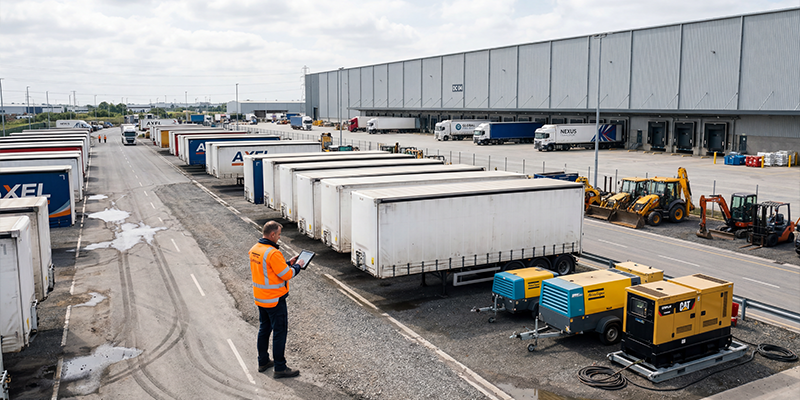
Vehicle and equipment tracking is important because both categories affect productivity, cost, and customer service. Many companies focus first on vehicles because they are visible on the road every day. But equipment often accounts for a major share of the fleet’s total value.
A vehicle may be used to transport employees, tools, materials, or cargo. Tracking it helps managers know about route activity, arrival times, driver movement, mileage, and dispatch status. This supports better scheduling and customer communication.
Equipment tracking software focuses on a different set of needs. Heavy equipment may not travel long distances every day, but it still needs to be located, used properly, maintained, and protected from theft. If a machine is sitting idle at one jobsite while another team rents a replacement, the business loses money twice.
Heavy equipment tracking helps managers see where machines are located, whether they are being used, and when they may need service. It also helps reduce the risk of misplaced or stolen equipment, especially on large job sites, remote yards, and temporary work areas.
Maintenance scheduling is another major benefit. Vehicles and equipment both need service, but their maintenance triggers may differ. Vehicles may be tracked by mileage, while equipment may be tracked by engine hours or usage patterns. A mixed fleet platform should support both.
Tracker Systems’ fleet telematics solutions help businesses connect vehicles and equipment into a single view, enabling managers to make better decisions about availability, use, and maintenance.
The Growing Importance of Trailer Tracking Systems
Trailers are often overlooked in fleet planning, but they can cause serious operational problems when not tracked properly. Unlike vehicles, trailers are frequently detached, parked, loaded, unloaded, transferred, or left at customer locations. This makes them easy to lose track of without trailer tracking systems.
Trailer GPS tracking helps managers see where trailers are located, whether they have moved, and how long they have stayed at a location. This is useful for logistics companies, construction fleets, rental operations, and service businesses that use trailers to move cargo, tools, materials, or equipment.
For example, a transportation company may have several trailers spread across customer yards. Without trailer GPS tracking, dispatchers may waste time calling drivers or yard teams to confirm location. A construction company may leave a trailer at a jobsite, only to later find it has been moved or used by another crew. A utility company may need to know which trailer contains a specific set of tools before sending a crew to a repair site.
Fleet visibility improves when trailers are treated as active assets rather than secondary items. Managers can monitor unauthorized movement, plan maintenance, measure trailer utilization, and reduce time spent searching for assets.
Trailer tracking systems also support better cargo visibility. Even when the truck is not connected, the trailer may still contain valuable materials or equipment. Knowing its location helps protect the business and keep operations on schedule.
Best Practices for Reporting and Analytics in Mixed Fleet Management
The best practices for reporting and analytics in mixed fleet management start with one principle. Mixed assets should be reported together when they affect the same operation, but measured separately when their usage patterns differ.
Effective mixed fleet reporting combines vehicle, trailer, and equipment data into a single analytics environment to improve operational decision-making.
A strong reporting process should include utilization metrics. Managers need to know which vehicles are active, which trailers are unused, and which equipment is underused across job sites. These reports can help reduce idle assets and prevent unnecessary rentals or purchases.
Maintenance analytics are also important. Vehicles, trailers, and equipment may have different maintenance needs, but they should still appear in one reporting view. This helps teams plan service schedules, avoid missed inspections, and reduce downtime.
Idle asset reports are useful for mixed fleets because assets can go unnoticed when ownership is unclear. A trailer may remain parked for weeks. A machine may be left at a completed jobsite. A service vehicle may be underused in one region while another team is short on capacity.
Fleet telematics can also support operational KPIs, including route performance, equipment hours, trailer dwell time, vehicle activity, maintenance due dates, and unauthorized movement events. These KPIs give managers a clearer way to measure performance across the entire fleet.
Asset tracking solutions should support custom dashboards, as not every team needs the same view. Dispatch may care about the live location. Maintenance may care about service schedules. Finance may care about utilization and replacement planning. Operations may care about availability and downtime.
Tracker Systems helps businesses use centralized reporting to connect mixed-fleet activity with practical decisions, from dispatch planning to asset lifecycle management.
Choosing the Right GPS Tracking Device for Fleet Management
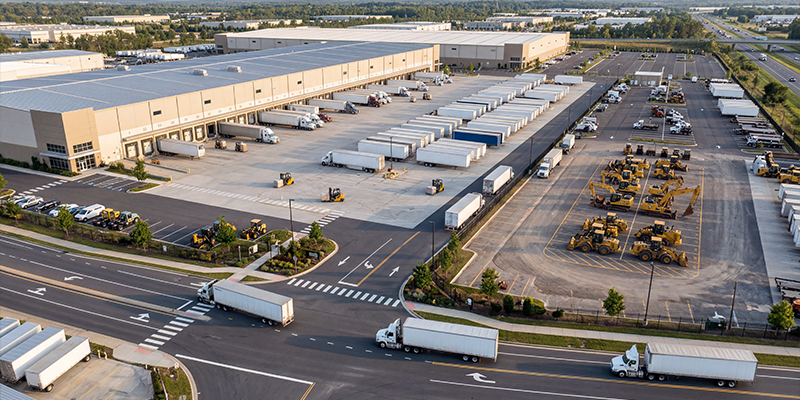
Choosing the right GPS tracking device for fleet management depends on the asset being tracked. A powered vehicle, a detached trailer, and a heavy machine may each require a different device setup.
Powered vehicle trackers are usually connected to the vehicle’s power source and can provide frequent updates. These are useful for service trucks, vans, delivery vehicles, and other commercial vehicles that move daily.
Trailer GPS tracking devices often require battery-powered or long-life options because trailers may not have a constant power supply. These devices should support movement alerts, location updates, and battery reporting. Trailer GPS tracking devices should be configured with motion alerts to identify unauthorized movement immediately.
Heavy equipment may require durable trackers that can withstand harsh environments, vibration, weather, and long periods of irregular use. Reporting frequency also matters. Some assets need frequent updates, while others may only need updates when they move or enter a new location.
A GPS tracking device for fleet management should also align with the business's reporting goals. If the company needs real-time dispatch coordination, frequent location updates matter. If the goal is theft prevention or utilization reporting, motion alerts and historical records may be more important.
The right device is not always the same for every asset. The right platform should support diverse tracking needs within a single system.
How Real-Time Asset Tracking Improves Operational Efficiency
Real-time asset tracking improves operations by reducing the time it takes to locate, assign, and move assets. This is especially useful in mixed fleets, where vehicles, trailers, and equipment may be spread across yards, routes, job sites, and customer locations.
When managers have clear fleet visibility, they can dispatch faster. They can send the nearest available vehicle, locate the right trailer, or confirm whether a machine is already at the jobsite. This reduces delays and helps teams avoid unnecessary calls, manual checks, and repeated location updates.
Real-time asset tracking can significantly reduce the time required to locate idle or misplaced equipment across large job sites. It also helps with theft recovery by showing movement outside expected areas or during non-working hours.
Fleet telematics can also improve asset sharing. If one crew is not using a machine, another crew may be able to use it instead of renting another one. If one region has extra trailers while another is short, managers can move assets based on actual demand.
For mixed fleets, this creates better control over daily operations and long-term asset planning.
FAQ
1. What is a mixed fleet in fleet management?
A mixed fleet in commercial fleet management includes multiple asset types, such as vehicles, trailers, heavy equipment, tools, and powered or non-powered assets. Vehicle and equipment tracking helps businesses manage these assets together instead of using separate systems for each category.
2. Why do mixed fleets need centralized tracking platforms?
Mixed fleets need a centralized fleet management platform because separate systems can limit fleet visibility, slow reporting, and create manual work. A single platform helps managers see vehicles, trailers, and equipment together, making dispatch, maintenance, and utilization decisions easier.
3. How do trailer tracking systems work?
Trailer tracking systems use GPS hardware to report trailer location, movement, and status. Trailer GPS tracking may use battery-powered devices for detached trailers, motion alerts for unauthorized movement, and location history to show where trailers have been used or stored.
4. What is the difference between vehicle tracking and equipment tracking?
Vehicle tracking usually focuses on routes, mileage, driver activity, and trip history. Equipment tracking software focuses more on location, usage, operating hours, idle time, and theft prevention. Heavy equipment tracking often requires durable devices built for jobsite conditions.
5. What are the benefits of real-time asset tracking?
Real-time asset tracking helps businesses locate assets faster, reduce downtime, improve dispatching, support theft recovery, and know utilization. Asset tracking solutions also help managers reduce wasted time spent searching for vehicles, trailers, or equipment.
6. What metrics should fleets track in mixed fleet reporting?
The best practices for reporting and analytics in mixed fleet management include tracking utilization, idle time, trailer dwell time, equipment usage, route activity, maintenance status, unauthorized movement, and asset availability. Fleet telematics helps combine these metrics into one reporting view.
7. Can a single fleet-tracking software platform manage vehicles, trailers, and equipment?
Yes. A fleet tracking software platform can manage vehicles, trailers, and equipment when it supports mixed asset types, device flexibility, live mapping, reporting, and vehicle and equipment tracking from one dashboard.
8. What should businesses look for in a GPS tracking device for fleet management?
A business should choose a GPS tracking device for fleet management based on asset type, battery life, durability, reporting interval, connectivity, and alert needs. Fleet telematics works best when the device and platform align with how the asset moves and operates.
Wrapping Up
Mixed fleets need more than basic vehicle tracking. Vehicles, trailers, and equipment each have different movement patterns, reporting needs, and operational risks. When they are managed in separate systems, teams lose time, visibility, and clarity in reporting.
A unified fleet management platform brings these assets together. It supports vehicle and equipment tracking, trailer GPS tracking, heavy equipment tracking, fleet telematics, and better reporting across the full operation.
Tracker Systems helps businesses consolidate mixed-fleet visibility into a single operational platform, giving managers clearer control over assets, activities, maintenance, and utilization. For companies managing complex fleets, that clarity can lead to better decisions every day.
Recent Posts
-
How GPS Tracking Helps Businesses Meet Fleet Compliance and Regulatory Requirements
One missed 30-minute break. One unlogged mile. That is sometimes all it takes to trigger a roadside …Oct 12th 2026 -

Calculating the ROI of GPS Fleet Tracking for Your Business
Every GPS tracking vendor will tell you that their product pays for itself. Search around, and you w …Oct 5th 2026 -

How GPS Tracking Helps Electrical Contractors Manage Multiple Crews
An electrical contractor running four crews across four job sites is effectively managing four separ …Sep 28th 2026