
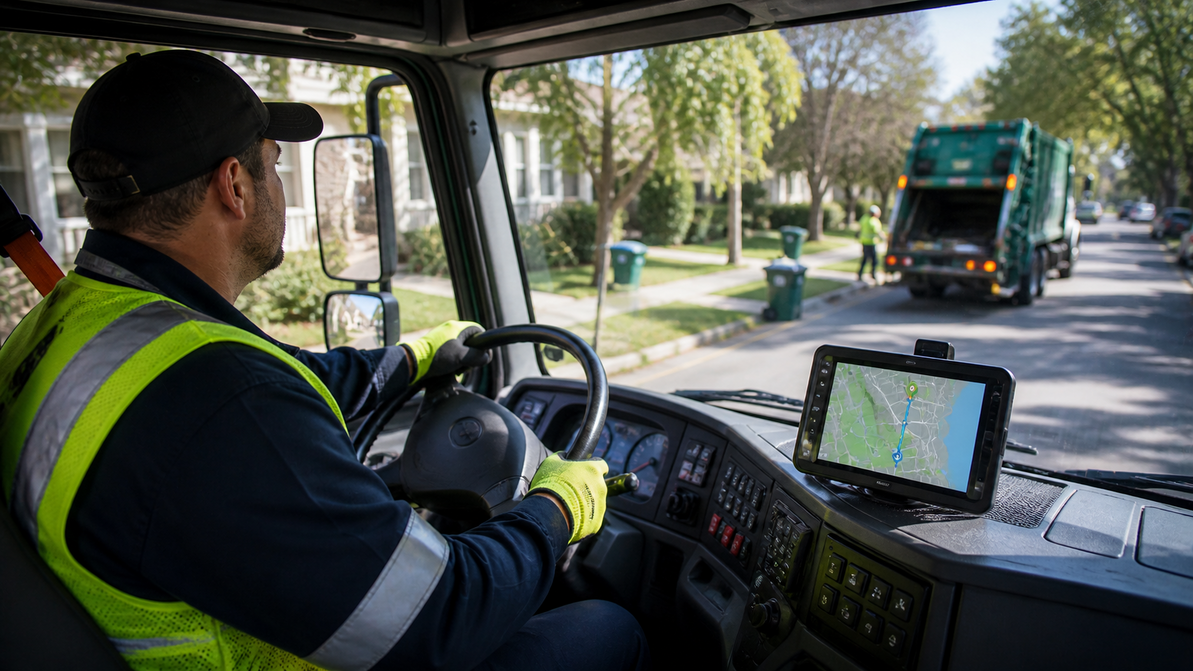
How GPS Fleet Tracking Improves Efficiency in Waste Management Fleets
Waste collection runs on timing, route discipline, and cost control. When trucks miss stops, idle too long, or take inefficient routes, the damage shows up quickly in fuel spend, overtime, customer complaints, and lower daily output. For municipal and private operators alike, even small inefficiencies can add up across a full fleet.
That is where waste management fleet tracking becomes useful. A modern GPS tracking system gives operators a live view of vehicle location, route progress, idle time, and driver activity. Instead of relying on calls, paper logs, or delayed reports, managers can make decisions while work is happening.
For waste haulers, that matters because routes are rarely static. Traffic changes, missed pickups happen, vehicle issues come up, and dispatchers often need to adjust in real time. With GPS fleet tracking, teams can respond faster, reduce wasted miles, and keep service levels more consistent. In an industry where daily execution affects both cost and public trust, better visibility is not just helpful. It is part of running a tighter operation.
What Is Waste Management Fleet Tracking Software?
Waste management fleet tracking software is a tool that uses GPS technology and vehicle data to help operators monitor, manage, and improve waste collection fleets. In simple terms, it shows where trucks are, how routes are being completed, how long vehicles sit idle, and whether service is being delivered as planned.
A GPS tracking system for fleet operations is useful in many industries, but waste collection has its own demands. Routes are recurring but not always predictable. Traffic, blocked access points, missed bins, weather, and last-minute dispatch changes can all affect performance. A standard map view is not enough. Waste operators need a GPS tracking system that supports daily route execution, service verification, and driver oversight.
In this setting, waste management fleet tracking software often helps teams with-
- live vehicle location
- route progress monitoring
- stop verification
- dispatch coordination
- idle time review
- driver activity checks
For fleet managers, the biggest shift is moving from reactive management to active oversight. Instead of hearing about a delay after customers complain, teams can spot route issues as they develop. Instead of guessing why fuel spend increased, managers can review route behavior and vehicle time on the road. That is why waste management fleet tracking software has become a practical tool for operators trying to improve consistency, reduce waste, and gain better control of day-to-day field activity.
Track Your Fleet with Real-Time GPS Data

The biggest day-to-day advantage of GPS fleet tracking is live visibility. When dispatchers and fleet managers can see every active vehicle on a map, they no longer have to rely on guesswork, phone calls, or delayed driver updates to know what is happening in the field.
To track your fleet with real-time GPS data means knowing which trucks are moving, which are delayed, which have completed their assigned area, and which may need support. That matters in waste operations because small delays can quickly affect the rest of the route. A blocked street, long stop time, or unplanned detour can disrupt pickup schedules and create downstream issues across the fleet.
With gps tracking for fleet operations, dispatch teams can-
- reroute nearby trucks when problems arise
- respond faster to missed pickup reports
- verify whether a vehicle entered or completed a service area
- manage exceptions before they become customer complaints
This real-time view also helps during peak collection periods, weather disruptions, holiday schedule changes, or municipal event days when standard routes may be affected. Instead of managing based on assumptions, supervisors can act on current field conditions.
For companies using GPS fleet tracking, the value is not just knowing where a vehicle is. It is knowing what that location means in context. If a truck has fallen behind schedule, dispatch can shift support. If a driver is stationary for too long, the team can check for mechanical problems or route issues. If a service request comes in, the nearest available vehicle can be assigned quickly.
In waste collection, timing drives productivity. Real-time data helps teams protect that timing throughout the workday.
Optimizing Waste Collection Routes with GPS Tracking
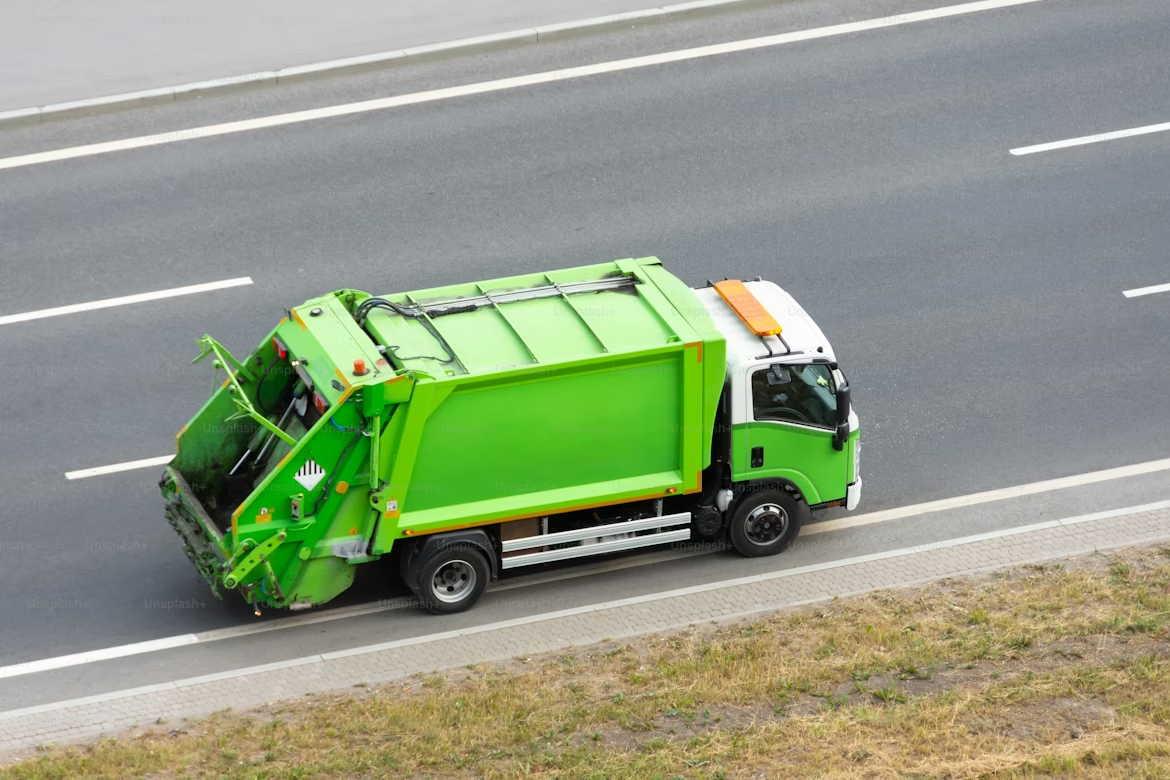
Route quality has a direct effect on cost, daily capacity, and service consistency. In waste hauling, poor routing leads to extra mileage, missed stops, unnecessary backtracking, and longer hours on the road. That is why waste management GPS tracking plays such a central role in route planning and route correction.
With GPS tracking for waste management, operators can review how routes are actually performed, not just how they were planned. That difference matters. A route may look efficient on paper, but traffic patterns, stop density, driver habits, and service delays can tell a different story once trucks are in motion.
A good GPS-based system helps managers identify-
- routes with repeated delays
- zones with frequent backtracking
- areas with excessive idle time
- underused vehicles or uneven route distribution
- patterns that increase fuel and labor cost
Over time, these insights help teams redesign routes around real operating conditions. Instead of assigning work based on habit, managers can adjust runs to reduce overlap, tighten territory coverage, and improve overall flow. That is where GPS fleet tracking supports both daily execution and long-term planning.
For example, if one truck consistently finishes early while another runs overtime in a nearby area, routes may need rebalancing. If vehicles spend too much time idling in transfer or staging zones, the issue may point to loading bottlenecks or dispatch timing. If certain neighborhoods create frequent delays, schedules may need to shift by time of day.
This is where waste management GPS tracking becomes more than a location tool. It becomes an operational review system. By combining live location with route history, supervisors can spot inefficiencies that are hard to see from paper manifests alone.
In waste collection, even modest route improvements can create meaningful savings across fuel, labor hours, and vehicle wear.
Reducing Fuel Costs and Operational Expenses
Fuel is one of the most visible costs in any fleet operation, and waste fleets are no exception. Heavy vehicles, stop-and-go driving, long service days, and idling all put pressure on operating budgets. That is why gps waste management tools are often closely tied to cost control.
A fleet with poor route discipline burns more fuel than necessary. Trucks may travel farther than needed, sit idle too long, or repeat areas because of missed stops and dispatch issues. With location and route data, managers can see where that waste happens and take action.
A commercial fleet tracking platform helps reduce expenses by showing-
- excess idle time
- route duplication
- long detours
- delayed departures
- slow route completion
- vehicle misuse outside assigned work
Idle time alone can be a major cost driver. If trucks are running while stopped for long periods, fuel disappears without productive miles being completed. Over weeks and months, that adds up quickly across a full sanitation fleet. A tracking platform helps identify those patterns so managers can coach drivers, adjust process flow, or review route conditions.
Beyond fuel, tighter route control can also reduce overtime, maintenance strain, and scheduling inefficiencies. Fewer unnecessary miles mean less wear on brakes, tires, and engines. Better dispatch coordination means fewer last-minute fixes and less wasted labor time.
This is where commercial fleet tracking supports profitability in private operations and budget control in municipal ones. The goal is not simply to watch trucks move on a screen. The goal is to find where time and money are leaking out of the system.
For waste operators facing rising fuel prices and pressure to do more with limited resources, better fleet visibility can support smarter decisions that improve cost performance without reducing service quality.
Improving Driver Performance and Accountability
Driver behavior has a direct effect on route completion, safety, fuel use, and vehicle condition. In waste operations, where trucks make frequent stops and work under tight schedules, even small performance issues can affect the entire day. That is why GPS tracking for fleet management also plays a role in accountability.
A GPS tracking system helps supervisors review how vehicles are being used in the field. It can reveal whether trucks start on time, follow assigned routes, spend too long at unplanned stops, or operate outside approved service areas. That visibility helps managers coach more effectively because conversations can be based on actual route data rather than assumptions.
This is useful in several ways-
- encourages better schedule adherence
- reduces unauthorized vehicle use
- supports fair performance reviews
- helps identify repeat behavior issues early
- gives managers clearer context during incident reviews
In many fleets, accountability improves simply because expectations become more measurable. Drivers know route activity is visible, which can encourage better time management and more consistent route execution. At the same time, data can also protect drivers when delays are caused by traffic, blocked access, or service conditions outside their control.
A GPS tracking system is not just about discipline. It is also about support. If a driver is delayed in a high-traffic area or spends extra time on a difficult block, managers can identify that pattern and adjust future planning. Better oversight can lead to fairer route expectations, better training, and fewer repeated issues.
Safety also benefits. Sudden route deviations, excessive speeding in some systems, and extended idle behavior can all point to habits worth reviewing. In waste collection, where vehicles operate in neighborhoods, alleys, and active public spaces, better oversight can support safer performance on the road and at the curb.
Improving Service Reliability in Waste Management

For waste operators, service reliability affects public trust, contract performance, and customer retention. Whether the fleet serves a municipality, a commercial client base, or residential accounts, missed or delayed pickups can quickly create complaints and damage confidence. That is why waste management fleet tracking is closely tied to service quality.
When operators have a live view of route progress, they can identify delays before they turn into unresolved service issues. A dispatcher can confirm whether a truck entered a neighborhood, whether a stop cluster is running behind, or whether another vehicle needs to assist. That kind of visibility helps teams maintain more consistent coverage throughout the day.
This matters because reliability is not only about finishing routes. It is also about responding well when something goes wrong. With commercial fleet tracking, teams can-
- confirm truck presence in a reported service area
- reassign stops when a vehicle breaks down
- provide better updates to customer service teams
- reduce repeat complaints through faster correction
For municipal operations, that can support better public service outcomes. Citizen complaints about missed pickups often stem from lack of visibility and slow response. A fleet team that can verify route activity quickly is in a stronger position to resolve issues with confidence.
For private haulers, reliability supports client retention. Commercial customers want predictable service, especially when waste volume affects health, appearance, or operational flow. A missed pickup at a restaurant, apartment complex, or industrial site can have immediate consequences.
That is why waste management fleet tracking is not just an operations tool. It is also a service assurance tool. Better visibility helps operators reduce missed stops, improve response times, and build a more dependable collection process.
Driving Business Growth with GPS Fleet Tracking
The value of GPS fleet tracking goes beyond route management. Over time, better visibility can improve output, support growth, and help operators make stronger business decisions. When managers know how their fleet actually performs, they can plan expansion, staffing, and equipment use with more confidence.
A GPS tracking system for fleet operations creates a clearer picture of productivity. Managers can compare route duration, daily completion rates, idle trends, and utilization across vehicles. That helps answer practical questions such as-
- Are we using the current fleet efficiently?
- Which routes need redesign before adding vehicles?
- Where are we losing time each day?
- Can we take on more service with the same assets?
For private companies, this can improve margins and support growth without immediately increasing headcount or fleet size. For municipal fleets, it can help justify budget decisions, support reporting, and improve resource allocation.
The return on investment often comes from multiple small gains working together-
- fewer wasted miles
- lower fuel use
- less overtime
- better dispatch decisions
- more consistent service completion
- stronger accountability across the operation
A GPS tracking system for fleet managers also supports longer-term planning. Historical route data can show which service areas create the most delays, where seasonal changes affect productivity, and how route patterns shift as service demand changes. Instead of planning from instinct, managers can plan from evidence.
That is one reason GPS fleet tracking has become a practical part of modern waste operations. It helps operators move from reactive decision-making to a more measured, data-based approach that supports both daily performance and future growth.
FAQs
1. What is waste management fleet tracking?
Waste management fleet tracking is the use of GPS and fleet data to monitor waste collection vehicles, route progress, and service activity. It helps operators improve visibility, reduce delays, and manage routes more effectively.
2. How does GPS tracking improve waste collection efficiency?
GPS tracking improves efficiency by helping teams reduce unnecessary mileage, respond faster to delays, and manage routes in real time. It also helps dispatchers spot problems early and adjust operations before service issues grow.
3. How is a GPS fleet tracking system for waste management beneficial?
The main benefits of GPS fleet tracking include better route control, lower fuel waste, stronger driver accountability, improved on-time service, and clearer operational oversight. These gains can support both cost control and service consistency.
4. How can I track my waste management fleet in real time?
You can track your fleet in real time by using a GPS-based fleet platform that shows live vehicle locations and route activity. A connected system sends position data from each truck so managers and dispatchers can monitor progress during the workday.
5. What is waste management fleet tracking software?
Waste management fleet tracking software is a digital platform built to help operators monitor collection vehicles, route execution, and fleet performance. It gives managers a central place to review live activity and historical route data.
6. Is GPS tracking useful for municipal waste fleets?
Yes, GPS tracking is useful for municipal waste fleets because it supports better public service delivery, faster response to complaints, and stronger route oversight. It can also help cities improve reporting and make better use of fleet resources.
7. How does GPS tracking reduce fuel costs in waste fleets?
GPS tracking reduces fuel costs by helping operators cut idle time, remove route inefficiencies, and reduce unnecessary miles. Over time, better route discipline and faster dispatch decisions can lower overall fuel consumption.
Wrapping up
Waste collection depends on consistency, visibility, and control. When operators can see where vehicles are, how routes are progressing, and where inefficiencies are happening, they are in a better position to improve daily performance. That is why waste management fleet tracking has become such a useful tool for fleets focused on cost control, service reliability, and stronger operational oversight.
From route planning and driver accountability to fuel savings and customer response, a well-used GPS tracking system helps waste operators make better decisions throughout the day. For fleets under pressure to do more with limited time and resources, that kind of clarity matters.
Track your fleet with real-time GPS data and improve waste management operations with Tracker Systems.
Recent Posts
-
How GPS Tracking Helps Businesses Meet Fleet Compliance and Regulatory Requirements
One missed 30-minute break. One unlogged mile. That is sometimes all it takes to trigger a roadside …Oct 12th 2026 -

Calculating the ROI of GPS Fleet Tracking for Your Business
Every GPS tracking vendor will tell you that their product pays for itself. Search around, and you w …Oct 5th 2026 -

How GPS Tracking Helps Electrical Contractors Manage Multiple Crews
An electrical contractor running four crews across four job sites is effectively managing four separ …Sep 28th 2026