
Building a Data-Driven Fleet Strategy Using GPS Analytics
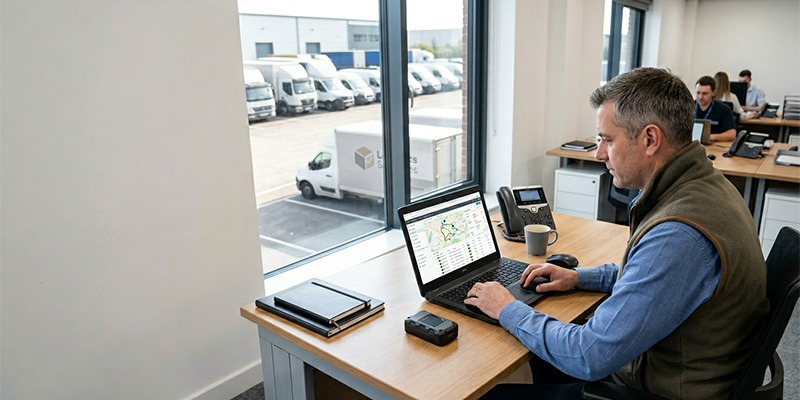
Fleet costs rarely spike overnight. They creep up through extra fuel burn, inefficient routing, preventable maintenance, and inconsistent driver habits. When we rely on guesswork or manual logs, those small leaks add up fast. The more innovative approach is to treat fleet operations like any other performance-driven part of the business. We measure what matters, review it consistently, and adjust based on trends instead of reacting to isolated complaints. That is where reliable GPS Trackers, structured fleet data analytics, and strong GPS fleet tracking practices change the game. With the right system in place, we gain visibility into routes, idle time, utilization, and behavior patterns. From there, we can build a strategy that improves safety, reduces fuel waste, strengthens accountability, and creates more predictable service performance. The goal is not surveillance. The goal is operational clarity that helps us run a tighter, more profitable fleet.
Why Data Is the Foundation of Modern Fleet Strategy
The Shift from Reactive to Data-Driven Decisions
Many fleets operate reactively. A customer complains about a late delivery, and we investigate. A fuel bill rises, and we assume prices are the issue. A breakdown occurs, and we scramble to adjust schedules. While this approach may work for tiny fleets, it does not scale.
A data-driven strategy changes the order of operations. Instead of waiting for problems, we identify patterns early. This is the role of fleet data analytics. It helps us measure trends in route duration, stop frequency, idle time, and vehicle utilization. Over time, we see which vehicles are overworked, which routes consistently exceed targets, and which habits increase cost.
For leaders asking how to improve fleet management, the answer often begins with measurable standards. Once we define key metrics, decisions become objective. We coach based on numbers, redesign routes using travel-time data, and adjust schedules based on historical performance rather than assumptions.
The Role of GPS Technology in Fleet Visibility
Without visibility, strategy falls apart. A reliable GPS tracking system provides accurate location data and route history. Combined with a properly installed GPS Tracker, we can see actual paths driven, real arrival times, and dwell periods at each stop.
This is the foundation of GPS fleet tracking. It gives dispatchers and managers clarity. When a delay occurs, we can determine whether it was traffic, excessive idle time, an unscheduled stop, or a dispatch decision. That clarity prevents finger-pointing and speeds up corrective action. Visibility is not about monitoring every movement. It is about building trust in the numbers that drive decisions.
Understanding What Fleet Management Software Actually Does
What Is Fleet Management Software?
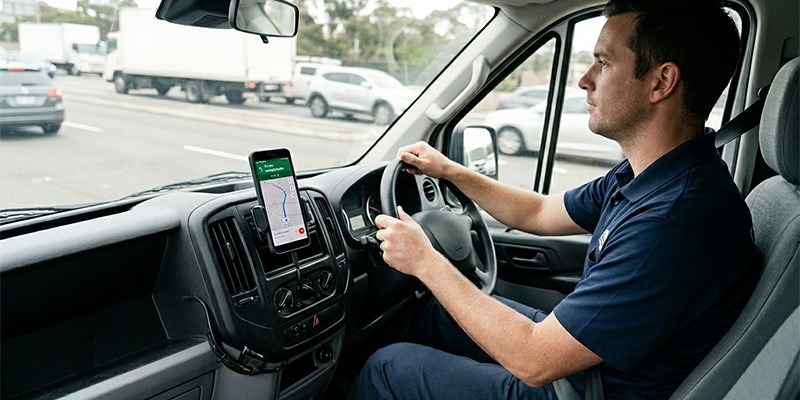
Many companies ask, What is fleet management software, and how is it different from simple tracking? In practical terms, it is the platform that organizes vehicle data into reports, dashboards, alerts, and performance summaries. It connects to tracking hardware and turns raw coordinates into actionable information.
When integrated with a commercial fleet-tracking system, this software becomes the operational control center. Managers can review route compliance, check vehicle status, monitor idle time, and generate driver scorecards. The real value is not just the map view. It is the reporting structure that supports daily operations, weekly reviews, and long-term planning.
Turning Raw Data into Insights
Tracking alone shows where vehicles have been. Fleet performance analytics shows how well they performed. For example, instead of seeing a route line on a map, we see total distance, total idle time, average speed, and time spent at each stop.
By organizing this information into patterns, we identify opportunities. Which routes consistently run long? Which drivers maintain strong fuel efficiency? Which vehicles show unusual wear patterns? The combination of fleet data analytics and structured reporting transforms location data into actionable performance management insights.
Core Metrics That Shape Fleet Performance
Driver Behavior and Safety Monitoring
Safety performance directly affects cost. Risky driving increases accident exposure, vehicle wear, and insurance pressure. This is why tracking driver performance metrics is essential. Common indicators include speeding, harsh braking, aggressive acceleration, and excessive idle time.
When we use GPS fleet tracking, we can compare behavior trends over time and across similar route types. This prevents unfair comparisons and allows targeted coaching. Instead of reacting to one event, we look at patterns. Coaching becomes more constructive when it is based on consistent data rather than subjective feedback.
Fuel Efficiency and Cost Control
Fuel is often one of the most significant controllable expenses. A structured fleet fuel monitoring system helps identify unnecessary idle time, route inefficiencies, and abnormal fuel consumption trends. Excess idling alone can quietly drain thousands of dollars annually in medium-sized fleets.
When we combine fuel data with fleet performance analytics, we separate controllable inefficiencies from unavoidable route realities. If fuel use rises but route mileage also increases, we adjust routing. If fuel use rises without changes in mileage, we investigate driver habits or maintenance issues. The key is consistent measurement and follow-through.
Asset Utilization and Route Optimization
Vehicle utilization reveals hidden inefficiencies. Some vehicles may be heavily used while others sit idle. Through commercial fleet tracking, we analyze hours in motion, downtime, and route duration trends.
Optimizing the route is not just finding the shortest distance. It considers service windows, driver hours, and traffic patterns. When we can track your fleet with real-time GPS data, dispatchers can make smarter adjustments throughout the day, and planners can refine routes over time. Better routing reduces overtime, fuel use, and customer complaints simultaneously.
Using Real-Time GPS Data to Improve Daily Operations
Dispatch Efficiency and Response Time
Dispatch benefits immediately from live data. When a customer requests urgent service, knowing vehicle proximity eliminates guesswork. With real-time GPS tracking, dispatch can assign the closest available vehicle and provide accurate ETAs.
A robust GPS tracking system also reduces the need for constant check-in calls. Managers can see progress in real time and proactively adjust routes if traffic or delays occur. This improves internal communication and reduces stress across the team.
Maintenance Planning and Preventive Scheduling
Unexpected breakdowns disrupt operations and damage customer trust. By connecting vehicle mileage and usage data from a GPS Tracker, we schedule maintenance based on actual performance rather than estimates.
With structured fleet data analytics, we monitor vehicles that idle heavily or run high daily mileage. These patterns guide preventative service scheduling. Over time, we identify which vehicles cost more to maintain and plan replacements strategically.
How to Improve Fleet Management with Predictive Analytics
Identifying Performance Trends Over Time
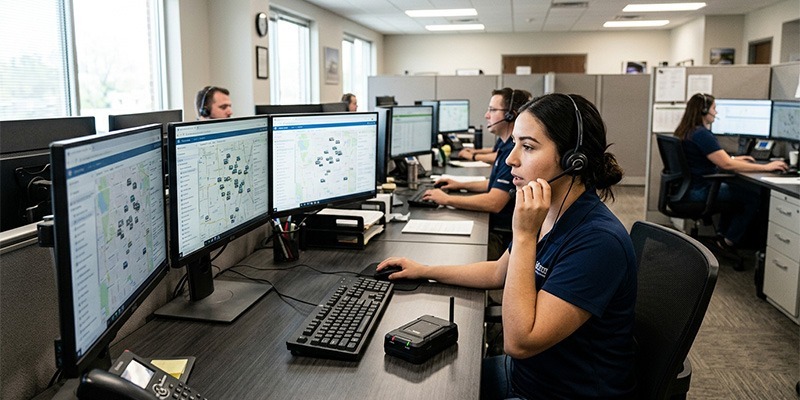
One week of data is helpful. Six months of data reveal a strategy. Through ongoing fleet performance analytics, we identify seasonal patterns, long-term route inefficiencies, and gradual performance drift.
For organizations focused on improving fleet management, trend reviews become routine. Weekly safety and fuel checks, monthly route performance evaluations, and quarterly utilization analysis create a consistent improvement cycle. Instead of reacting to problems, we anticipate them.
Reducing Risk Through Driver Performance Analysis
Risk management becomes more structured when supported by measurable driver performance metrics. We define acceptable thresholds and review trends, not isolated events. Coaching conversations become transparent and fair because they reference specific data.
By using GPS fleet tracking to illustrate examples, managers can show drivers where habits can improve. Over time, measurable improvements reduce incidents and strengthen the compliance culture.
Building a Step-by-Step Data-Driven Fleet Strategy
Audit Current Operations
We begin by defining pain points and measurable goals. This may include reducing idle time, improving on-time delivery, or lowering fuel cost per mile. Using commercial fleet tracking, we establish a baseline before implementing changes.
Deploy the Right GPS Tracking System
Choosing a dependable GPS tracking system ensures data accuracy. We match hardware to fleet size, vehicle type, and reporting needs. A well-installed GPS Tracker ensures consistent signal reliability and correct vehicle mapping.
Establish Reporting Framework
Data only matters when reviewed consistently. We create daily operational dashboards and structured weekly and monthly reports. With fleet data and performance analytics, leadership gains clear visibility into trends and progress toward improvements.
Train Managers and Drivers
Clear communication ensures smooth adoption. Drivers should know what is measured and why. Managers use data fairly and consistently. When teams can track your fleet in real time with GPS data, transparency reduces disputes and builds trust.
ROI of Commercial Fleet Tracking
Fuel and Route Savings
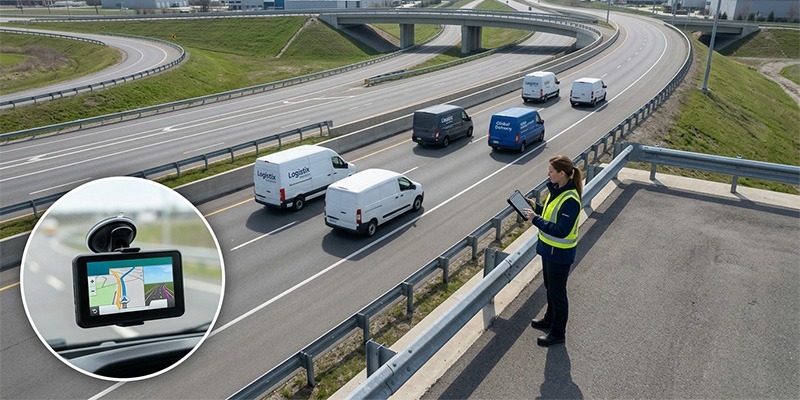
A correctly implemented fleet fuel monitoring system quickly identifies waste. Reduced idle time, optimized routing, and fewer unnecessary miles translate into measurable savings. Combined with commercial fleet tracking, those improvements become visible in before-and-after comparisons.
Safety and Insurance Benefits
Consistent GPS fleet tracking supports safer driving patterns and structured coaching. Over time, improved safety metrics can strengthen internal compliance documentation and support discussions around insurance costs.
Productivity and Customer Satisfaction
Accurate ETAs and predictable routes strengthen service reliability. When dispatch can track your fleet in real time with GPS data, communication improves, and customer confidence increases. Productivity rises as vehicles spend more time moving efficiently and less time idling or rerouting unnecessarily.
Common Mistakes with GPS Data
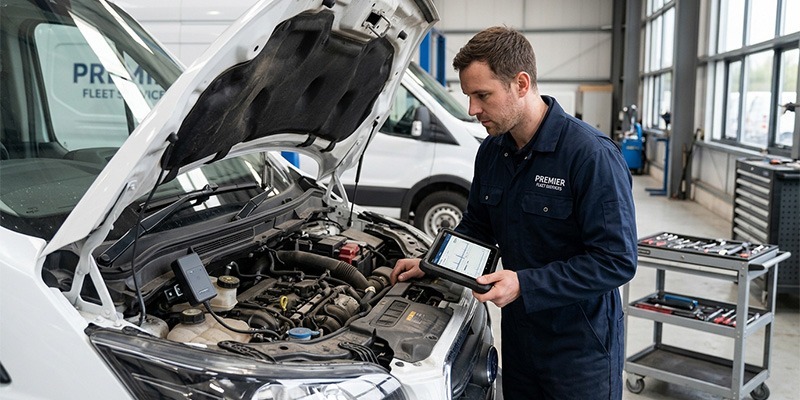
One common mistake is installing tracking hardware but failing to review the reports regularly. Another is measuring too many metrics without clear goals. Data overload can paralyze teams. The most effective fleets focus on a defined set of key indicators aligned with cost, safety, and reliability objectives.
Integration also matters. If dispatch, safety management, and maintenance teams operate separately from the data system, adoption suffers. Clear routines and leadership involvement prevent these gaps.
The Future of Fleet Strategy
Fleet operations continue moving toward more intelligent forecasting and automated alerts. However, advanced tools only work when the fundamentals are strong. Clean data, consistent reviews, and measurable standards create the foundation for adopting more sophisticated forecasting and optimization tools later.
Wrapping Up
A data-driven fleet strategy is not about technology alone. It is about building a system that measures performance, consistently reviews trends, and adjusts operations based on evidence. By combining a reliable GPS Tracker, structured fleet data analytics, and actionable GPS fleet tracking, we reduce fuel waste, improve safety, and increase operational predictability. When we move from reactive management to measurable strategy, performance stabilizes, and costs become more controllable. If you are ready to strengthen your fleet operations with dependable tracking and analytics tools, Tracker Systems can help you implement the right solution for long-term visibility and measurable results.
FAQs
1. What defines a fleet management software, and how does it function?
Fleet management software refers to a platform that collects vehicle location and performance data from a GPS tracking system and organizes it into reports, dashboards, and alerts to support operational decisions.
2. How does GPS fleet tracking improve fuel efficiency?
GPS fleet tracking identifies excessive idling, inefficient routes, and unusual fuel patterns. When combined with a fleet fuel monitoring system, it helps managers target controllable fuel waste.
3. What driver performance metrics should fleet managers track?
Key driver performance metrics typically include speeding, harsh braking, rapid acceleration, and idle time. Monitoring trends instead of isolated events ensures fair coaching and measurable improvement.
4. How can real-time GPS data improve dispatch efficiency?
When dispatch teams can track your fleet in real time with GPS data, they can assign the closest available vehicle, adjust routes early, and provide accurate ETAs to customers.
5. What is the ROI of commercial fleet tracking systems?
The ROI of commercial fleet tracking often comes from reduced fuel costs, fewer safety incidents, improved route efficiency, and greater vehicle utilization, supported by consistent fleet data analytics.
Recent Posts
-

How GPS Tracking Helps Businesses Meet Fleet Compliance and Regulatory Requirements
One missed 30-minute break. One unlogged mile. That is sometimes all it takes to trigger a roadside …Oct 12th 2026 -

Calculating the ROI of GPS Fleet Tracking for Your Business
Every GPS tracking vendor will tell you that their product pays for itself. Search around, and you w …Oct 5th 2026 -

How GPS Tracking Helps Electrical Contractors Manage Multiple Crews
An electrical contractor running four crews across four job sites is effectively managing four separ …Sep 28th 2026