
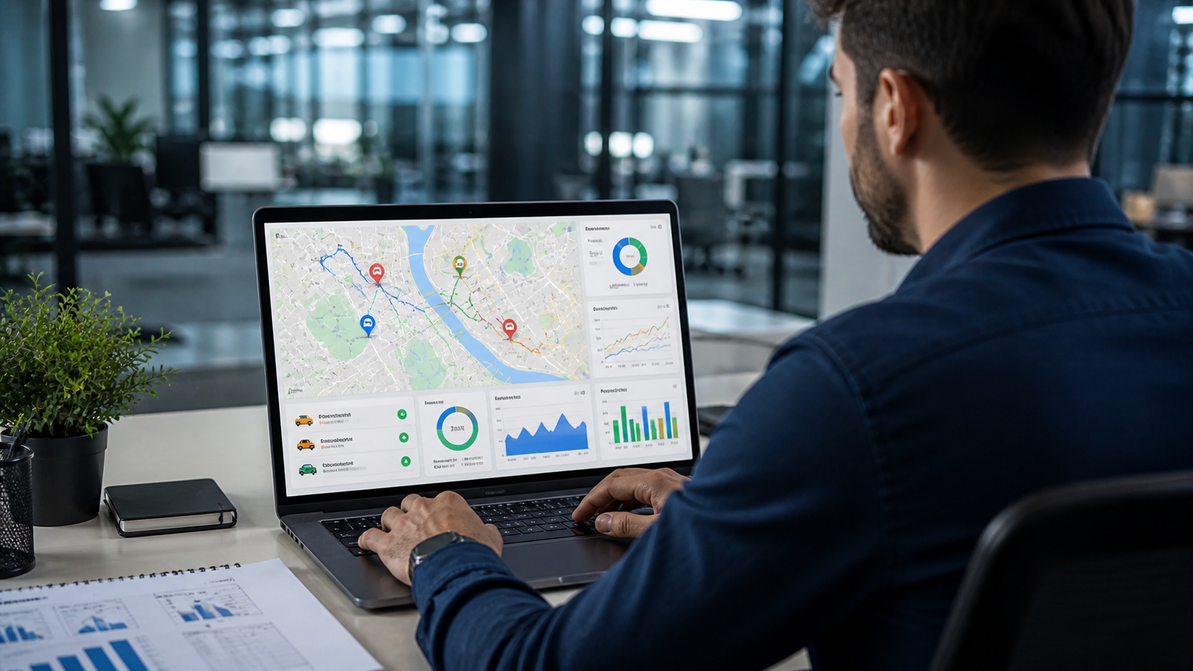
From Data to Decisions- Turning GPS Insights into Business Growth
Every fleet generates data all day long, but data by itself does not improve performance. Many businesses collect location updates, trip histories, idle reports, and driver activity logs without turning that information into clear decisions. That gap often leads to higher fuel spend, missed service windows, poor route planning, and weak visibility across operations. A GPS tracking system helps close that gap by converting day-to-day fleet activity into information managers can actually use. When paired with GPS fleet tracking, businesses can spot patterns, correct inefficiencies, and build stronger processes over time. More importantly, fleet data analytics enables moving beyond simple tracking and making decisions based on evidence rather than guesswork. Whether the goal is reducing costs, improving accountability, or supporting growth, the real value comes from knowing what the data says and acting on it consistently.
What is Fleet Management Software?
Fleet management software is a digital system that helps businesses monitor, manage, and evaluate their vehicles, drivers, routes, fuel usage, and operating activity in one place. Instead of relying on manual tools or scattered records, companies use software to track vehicle locations, driving behavior, and fleet efficiency.
A GPS Tracker is a core component in this process. It collects vehicle location data and sends it to the platform for review. Managers can then check trip history, monitor stops, measure idle time, and review route behavior. GPS tracking offers more than location dots; it creates a record of daily operations for real-time and historical review.
For fleet managers, this means fewer blind spots. For operations leaders, it provides clearer oversight. For business owners, it provides visibility into vehicle productivity. In practical terms, fleet management software supports tracking, monitoring, reporting, and accountability, offering decision-makers better insight into how field activity connects to cost, service quality, and execution.
How GPS Data Becomes Business Intelligence
Most fleets already create a steady stream of operational information. The challenge is not collecting data. The challenge is making sense of it. GPS fleet tracking starts with raw inputs such as location pings, route paths, speed, engine status, stop duration, and vehicle movement. On their own, those details may seem routine. When properly grouped and reviewed, they reveal how the fleet is functioning.
This is where fleet data analytics becomes valuable. Real-time data helps managers react to what is happening now. They can see delays, identify route deviations, or confirm whether a driver reached a customer on time. Historical data serves a different purpose. It helps businesses look back over weeks or months to identify patterns. For example, repeated idle time at certain stops, regular detours on specific routes, or frequent delays during certain hours may point to deeper process issues.
A company that wants to track your fleet with real-time GPS data is not simply trying to locate vehicles. It is trying to know what drives cost, delay, waste, or missed opportunity. Once data is organized and compared over time, it can shape scheduling, dispatch planning, route design, driver coaching, and customer communication. That is when tracking becomes business intelligence. The technology does not create growth on its own, but it gives leaders the visibility they need to make better decisions with more confidence.
Using Fleet Performance Analytics to Improve Efficiency
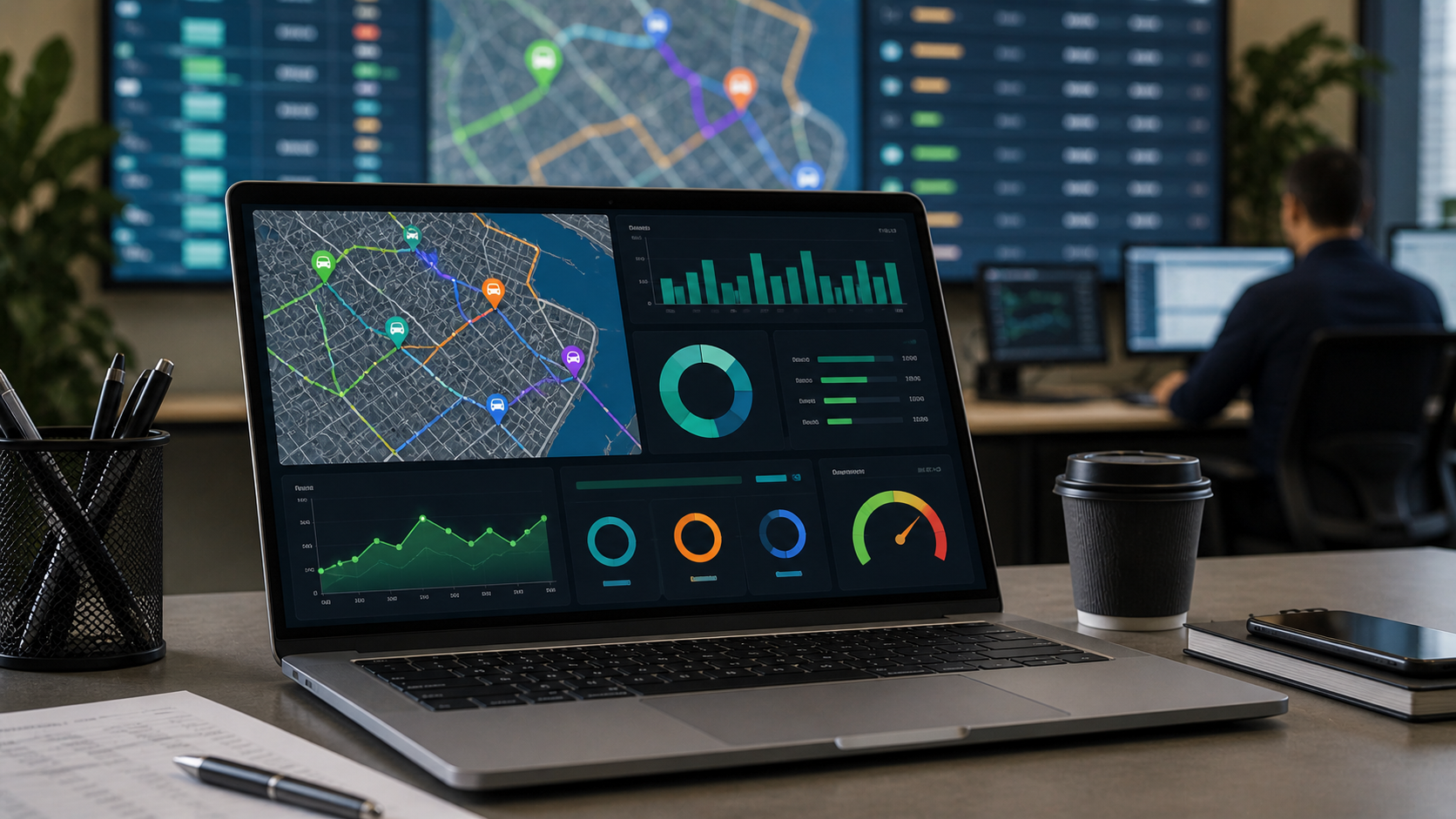
Efficiency gains rarely result from a single dramatic fix; instead, they often stem from a series of smaller improvements driven by visibility. Fleet performance analytics allow businesses to measure key performance indicators and identify where operations may slow down, cost more, or fall short of standards.
One clear example is route efficiency. If drivers take longer routes, remain in traffic-heavy areas, or make unnecessary stops, both time and fuel costs increase. Fleet analytics let managers compare routes, review completion times, and identify patterns affecting performance. This supports smarter dispatching and better route planning.
Idle time is another common issue. A few extra minutes may not seem serious in isolation, but repeated across an entire fleet, idling can become a major expense. Performance reporting helps teams see where that time is building up and whether it reflects driver behavior, poor scheduling, traffic conditions, or inefficient job sequencing.
For businesses asking how to improve fleet management, measurement is the first real step. It is difficult to improve what is not being tracked. When teams consistently monitor route completion, stop time, idle behavior, and usage patterns, they can make gradual changes that reduce waste and increase output. Over time, even modest adjustments can produce meaningful gains in labor use, asset productivity, and service reliability.
Measuring and Improving Driver Performance
Vehicles do not operate alone. Driver behavior greatly influences safety, fuel usage, maintenance, and the customer experience. That is why driver performance metrics matter in fleet operations. Investments in vehicles and routing tools cannot offset unchecked, unsafe, or inefficient habits, as these can quickly increase costs and risk.
Common indicators include speeding, harsh braking, rapid acceleration, long idle periods, unauthorized use, and route deviation. These metrics help managers assess responsible vehicle use and determine if coaching is needed. Often, the goal is awareness and addressing issues before they result in accidents, mechanical problems, or customer complaints.
GPS fleet tracking helps connect these behaviors to real situations in the field. If one driver regularly brakes hard in high-traffic zones or another spends far more time idling than others on the same route, those patterns can be reviewed and discussed. Over time, businesses can create scorecards, reward safer habits, and build a stronger culture of accountability.
Better driving improves more than safety. It can also lower fuel use, reduce wear, and support predictable service, making metric tracking a practical approach to healthier operations.
Reducing Costs with a Fleet Fuel Monitoring System
Fuel is a major recurring expense for fleets. When costs rise, margins tighten, especially for businesses with daily routes. A fleet fuel monitoring system helps identify areas of efficient fuel use and potential waste.
Fuel waste can stem from patterns overlooked without data-such as excessive idling, inefficient routing, aggressive driving, unauthorized use, and poor trip planning. A GPS tracking system provides visibility, allowing managers to review trip details and pinpoint rising consumption.
Fuel monitoring can also detect theft or unusual usage. If a vehicle uses more fuel than expected for the miles driven, this may indicate an issue. Even without theft, abnormal consumption may signal problems with maintenance, routing, or driving habits.
A strong fuel monitoring system does more than highlight problems-it enables action. Routes can be adjusted, idle policies enforced, and drivers coached. Small changes can add up fast across a fleet, giving leaders control over a critical expense.
How GPS Insights Drive Business Growth
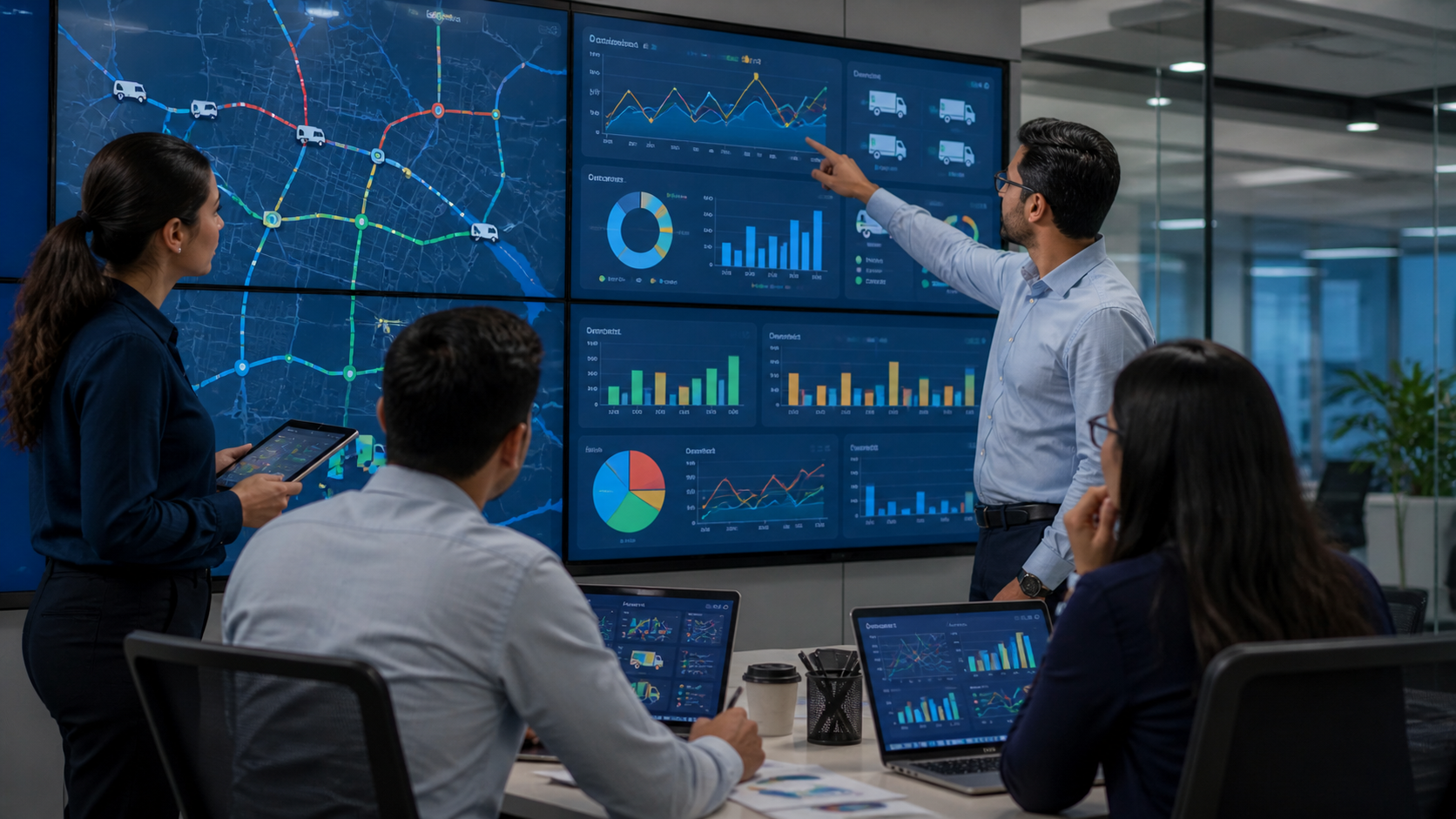
Growth is often discussed in terms of sales, new markets, or expanding teams, but operational growth depends on control. Without understanding fleet performance, expanding can lead to rising costs. Commercial fleet tracking supports decision-making that helps a business grow efficiently.
By effectively using GPS fleet tracking, businesses reduce wasted hours, improve dispatch, respond faster, and offer predictable service. This consistency benefits planning and customer trust, allowing a fleet to handle more with less friction.
The financial effect can be significant. Better routing reduces fuel use, stronger oversight lowers accident and maintenance risk, and reporting reveals underused vehicles or weak routes. Each contributes to a healthier operating model.
For leadership teams, GPS insights also make planning easier. Instead of relying on assumptions, they can review actual usage patterns, delivery timelines, and service data before adding vehicles, hiring drivers, or changing coverage areas. In that sense, commercial fleet tracking supports business growth by helping companies scale with clarity. The data does not replace judgment, but it provides leaders with a stronger foundation for making choices that affect costs, staffing, and service quality.
How to Improve Fleet Management Using Data
Businesses seeking out information on how to improve fleet management do not need to start with a complicated overhaul. In most cases, progress comes from a simple, consistent process.
First, install the right tracking tools and make sure vehicles are reporting reliable data. Without accurate information, the rest of the process becomes harder to trust.
Second, identify which metrics matter most. That may include idle time, route completion, fuel consumption, speeding events, stop duration, or asset usage. Not every company needs the same dashboard, so the dashboard should align with operational goals.
Third, review the data regularly instead of only checking it when problems arise. Weekly and monthly reporting often reveals patterns that a single day cannot.
Fourth, turn findings into operational changes. That could mean revising routes, coaching drivers, updating dispatch procedures, or adjusting schedules.
Fifth, measure again. Good fleet management is not a one-time fix. It is a cycle of review, adjustment, and follow-up.
The companies that gain the most from tracking are usually the ones that treat data as part of routine management rather than a passive reporting tool. When used that way, data helps turn daily operations into a system that can be measured, corrected, and steadily improved.
FAQs
1. What is a GPS tracking system?
A GPS tracking system uses satellite-based location technology to monitor vehicle position, movement, and trip activity. In fleet operations, it helps businesses view vehicle locations, review route history, and turn operational data into usable reports.
2. How does GPS fleet tracking work?
GPS fleet tracking works by using tracking devices installed in vehicles to collect location and movement data, which is then sent to a software platform. Managers can use that platform to monitor vehicles in real time, review past trips, and evaluate route or driver performance.
3. What are the benefits of fleet data analytics?
Fleet data analytics helps businesses move beyond location tracking and start analyzing patterns that affect cost and performance. It can support route improvements, reduce idle time, improve fuel oversight, and enable clearer decision-making across operations.
4. How can GPS tracking improve driver performance?
GPS tracking improves driver performance by showing patterns such as speeding, harsh braking, excessive idling, and route deviations. Once managers can see those behaviors clearly, they can coach drivers more effectively and support safer, more consistent habits.
5. What is a fleet fuel monitoring system?
A fleet fuel monitoring system tracks fuel-related activity across vehicles and connects fuel use to route behavior, idle time, or driving patterns. It helps businesses identify waste, investigate unusual consumption, and control one of the largest fleet expenses.
6. How do I track my fleet in real time?
To track a fleet in real time, businesses need vehicle-based tracking hardware and software that displays live location and trip activity. Once installed, managers can follow vehicle movement, respond to delays, and track your fleet with real-time GPS data as part of daily operations.
7. What industries use commercial fleet tracking?
Commercial fleet tracking is commonly used by logistics, transportation, delivery, utilities, construction, and similar service-based industries. Any business that depends on vehicles, route planning, field activity, or mobile teams can benefit from better visibility and reporting.
Wrapping Up
Fleet data becomes valuable when it leads to a clearer decision. That is the real shift from tracking to growth. A GPS tracking system can show where vehicles are, but the bigger benefit comes from using that visibility to improve routes, coach drivers, manage fuel costs, and plan operations with more accuracy. GPS fleet tracking gives businesses the information they need to reduce waste and improve consistency, while fleet data analytics helps turn that information into measurable action. For companies that want stronger control over fleet performance, the next step is not collecting more raw data. It is using the right data more effectively. Track your fleet with real-time GPS data and turn insights into measurable business growth with Tracker Systems.
Recent Posts
-
How GPS Tracking Helps Businesses Meet Fleet Compliance and Regulatory Requirements
One missed 30-minute break. One unlogged mile. That is sometimes all it takes to trigger a roadside …Oct 12th 2026 -

Calculating the ROI of GPS Fleet Tracking for Your Business
Every GPS tracking vendor will tell you that their product pays for itself. Search around, and you w …Oct 5th 2026 -

How GPS Tracking Helps Electrical Contractors Manage Multiple Crews
An electrical contractor running four crews across four job sites is effectively managing four separ …Sep 28th 2026