
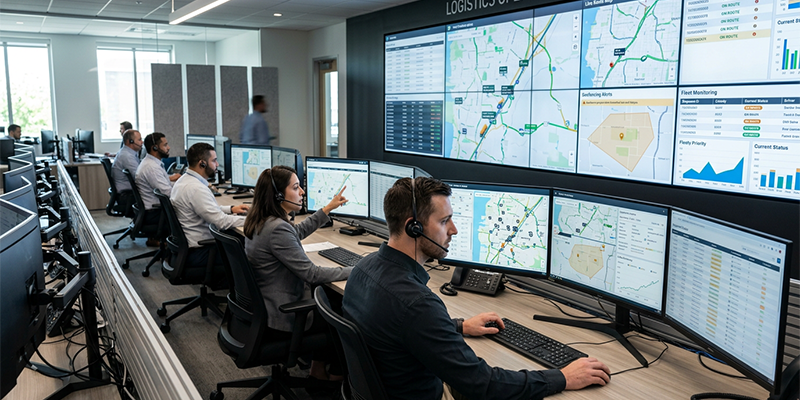
How GPS Trackers Help Prevent Cargo Theft in Modern Logistics
Cargo theft continues to rise across global supply chains, creating billions in annual losses and operational disruptions. Businesses today are under increasing pressure to strengthen cargo theft prevention strategies while maintaining efficiency and compliance. Traditional tracking methods are no longer sufficient, especially when theft occurs during transit or unauthorized stops.
This is where a modern cargo tracking system powered by real time tracking plays a critical role. By using advanced tracking solutions, logistics companies can monitor shipments continuously, detect risks early, and respond immediately. From route visibility to geofencing alerts, GPS technology has become a core part of how businesses prevent cargo theft effectively.
What Is Cargo Theft and Why Is It Increasing?
Cargo theft refers to the unauthorized taking of goods during transportation, storage, or handling. It often involves organized groups targeting high-value shipments such as electronics, pharmaceuticals, or consumer goods.
Several factors contribute to the increase in theft:
- Supply chain complexity
- Increased shipment volumes
- Weak visibility during transit
- Lack of proactive monitoring
Without strong cargo theft prevention measures, companies face not only financial loss but also reputational damage and customer dissatisfaction. The growing scale of theft highlights the need for smarter tracking solutions that provide real-time visibility and control.
How a GPS Tracking Device Works in Logistics
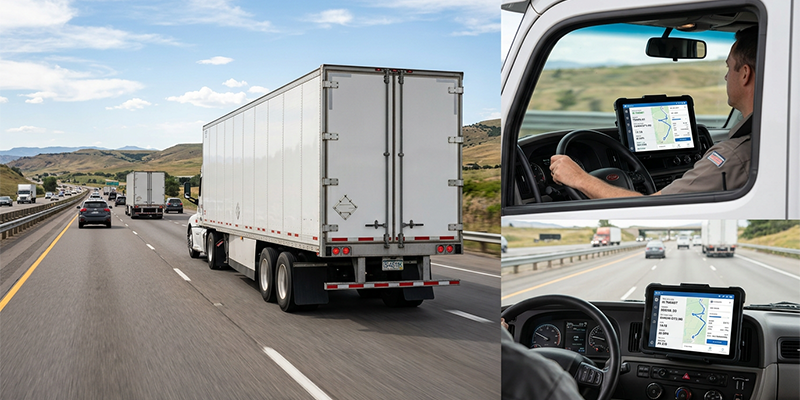
A GPS tracking device uses satellite signals to determine the exact location of a vehicle or asset. This data is transmitted to a centralized platform where fleet managers can monitor movements in real time.
How it works:
- GPS satellites communicate with the device
- Location data is captured and transmitted
- A cargo tracking system displays data on dashboards
There are different types of GPS, including:
- Real-time (active tracking)
- Passive tracking
- Hybrid systems
Modern gps asset tracking ensures that businesses are not only tracking vehicles but also monitoring the actual cargo, improving control and reducing risk exposure.
How GPS Trackers Help Prevent Cargo Theft
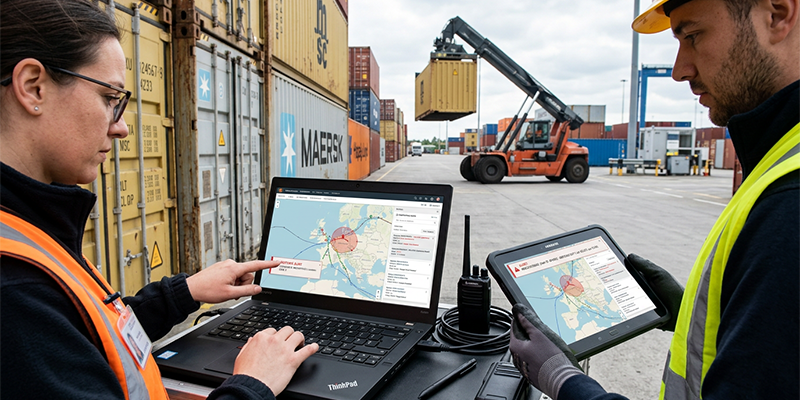
Real-Time Tracking for Continuous Visibility
Real time tracking provides constant updates on shipment location and movement. This eliminates blind spots in transit, allowing businesses to monitor cargo at every stage. With continuous visibility, suspicious activity can be detected early, helping companies take immediate action and strengthen overall cargo theft prevention efforts.
Geofencing Alerts for Risk Detection
Geofencing alerts create virtual boundaries around predefined routes or zones. If a vehicle deviates from its assigned route or enters a restricted area, the system sends an instant alert. This proactive feature helps businesses prevent cargo theft by identifying unusual movements before they escalate into serious incidents.
Route Monitoring & Deviation Detection
Route monitoring allows companies to track whether vehicles follow approved paths. Any unexpected stops or deviations can signal potential theft risks. By analyzing route patterns, fleet managers can intervene quickly, reducing exposure to theft and improving the effectiveness of their cargo tracking system.
Asset-Level Tracking vs Vehicle Tracking
Traditional tracking focuses on vehicles, but gps asset tracking goes further by tracking the cargo itself. This is crucial when goods are transferred or separated from the vehicle. Advanced asset tracking solutions provide visibility at the shipment level, making cargo theft prevention more precise and reliable.
Instant Alerts & Theft Response
Immediate notifications are essential in theft prevention. When combined with real time tracking, alerts enable rapid response to suspicious activity. Businesses can coordinate with drivers, security teams, or authorities to recover stolen cargo. Faster response times significantly improve recovery rates and reduce losses.
Types of GPS Tracking Solutions for Logistics
There are several types of GPS tracking systems used in logistics:
Vehicle Tracking Systems
These monitor trucks and fleet vehicles using a GPS tracking device. They provide location visibility but may not track individual cargo units.
Asset Tracking Solutions
Asset tracking solutions focus on tracking shipments, containers, or packages. This is essential for asset tracking for transportation and logistics fleets, where visibility at the cargo level is critical.
Hybrid Tracking Systems
Hybrid systems combine vehicle and asset tracking, offering comprehensive visibility. These tracking solutions provide both real-time monitoring and historical data analysis.
Each type plays a role in improving cargo theft prevention, depending on operational needs.
Key Benefits of GPS-Based Cargo Theft Prevention
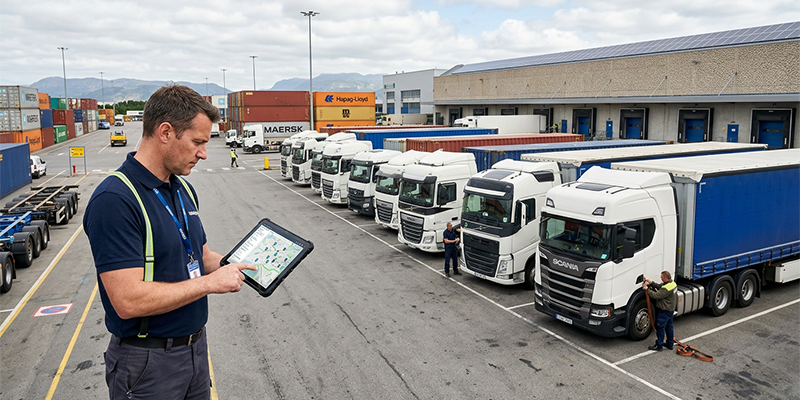
Implementing a cargo tracking system delivers multiple advantages beyond theft prevention.
Reduced Theft Losses
Continuous monitoring creates a strong deterrent for potential thieves, as movements are always visible. Faster detection of suspicious activity also improves recovery chances, helping businesses significantly reduce overall cargo losses.
Improved Accountability
Accurate tracking data creates a transparent record of every movement, including routes, stops, and delivery times. This improves accountability across drivers, dispatchers, and operations teams, reducing disputes and operational errors.
Operational Efficiency
Real time tracking enables smarter route planning by considering traffic, road conditions, and delivery schedules. This reduces unnecessary delays, improves delivery timelines, and ensures better utilization of vehicles and resources.
Insurance Benefits
Insurance providers often view gps asset tracking as a risk-reduction measure. Businesses with strong tracking systems may qualify for lower premiums, as improved visibility and monitoring reduce the likelihood of theft and claims.
Better Decision-Making
Tracking systems generate valuable insights into operations, including route performance, delays, and risk areas. These insights help businesses make informed decisions, optimize strategies, and continuously improve logistics performance and security measures.
These tracking solutions not only help prevent cargo theft but also strengthen supply chain reliability.
How Logistics Companies Use GPS to Prevent Cargo Theft
Different industries use GPS tracking in unique ways:
High-Value Electronics
Companies use real time tracking and geofencing alerts to monitor shipments closely and prevent theft during transit.
Cold Chain Logistics
Pharmaceutical and food companies rely on asset tracking solutions to ensure products remain secure and compliant.
Cross-Border Transportation
For international shipments, gps tracking device data ensures visibility across regions and helps prevent unauthorized diversions.
These real-world applications show how cargo theft prevention is integrated into everyday logistics operations.
How to Implement a Cargo Tracking System
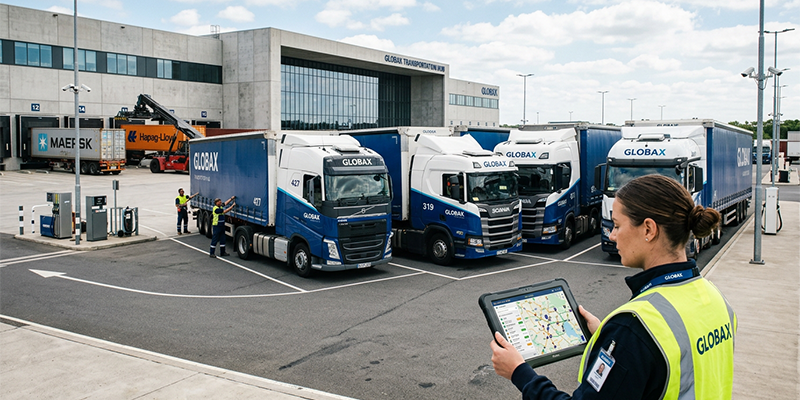
Implementing an effective cargo tracking system requires a structured approach:
Step 1: Choose the Right Tracking Solutions
Choosing the right tracking solutions is the foundation of an effective security strategy. Evaluate systems based on scalability, ease of use, and compatibility with existing tools. Look for features like real-time visibility, automated alerts, and reporting capabilities. The right choice ensures better control, faster response, and stronger cargo theft prevention outcomes.
Step 2: Install GPS Tracking Devices
Proper installation of each gps tracking device ensures accurate and reliable data collection. Devices should be securely placed in vehicles and, when needed, directly on cargo for asset-level visibility. Consistent deployment across the fleet eliminates blind spots and enables complete monitoring, strengthening operational visibility and supporting effective cargo theft prevention.
Step 3: Configure Geofencing Alerts
Configuring geofencing alerts allows businesses to create virtual boundaries around routes, warehouses, and high-risk areas. Alerts are triggered when vehicles or assets enter or exit these zones unexpectedly. This proactive monitoring helps identify suspicious movements early, enabling faster intervention and improving the overall effectiveness of cargo theft prevention strategies.
Step 4: Train Your Team
Training ensures that drivers, dispatchers, and managers know how to interpret tracking data and respond to alerts. Without proper understanding, even advanced systems may not deliver results. Educated teams can act quickly during incidents, follow protocols correctly, and use insights efficiently, making cargo theft prevention efforts more consistent and reliable.
Step 5: Monitor and Optimize
Ongoing monitoring helps identify trends, inefficiencies, and risk patterns within operations. By analyzing tracking data regularly, businesses can refine routes, improve driver behavior, and adjust alert settings. Continuous optimization ensures that systems remain effective over time, improving security, reducing losses, and maintaining strong cargo theft prevention performance.
Companies like Tracker Systems provide advanced tracking solutions designed to improve visibility and security across logistics fleets.
Common Mistakes That Increase Cargo Theft Risk
Even with tracking systems, certain mistakes can weaken security:
No Real-Time Tracking
Without real time tracking, cargo movements remain invisible during transit, creating gaps that thieves can exploit. Delays in detecting unauthorized stops or route deviations reduce response speed. By the time issues are identified, recovery becomes difficult, making this one of the most critical weaknesses in any cargo theft prevention strategy.
Lack of Geofencing Alerts
Failing to use geofencing alerts limits the ability to detect unusual or unauthorized movements in real time. Without virtual boundaries, fleet managers receive no warnings when vehicles leave designated routes or zones. This lack of proactive monitoring increases vulnerability and reduces the effectiveness of efforts to prevent cargo theft across logistics operations.
Tracking Only Vehicles
Tracking only vehicles ignores the importance of gps asset tracking, leaving cargo unmonitored if separated from the truck. Thieves often target shipments rather than vehicles. Without asset-level visibility, businesses lose control over high-value goods, increasing risk and weakening overall cargo theft prevention capabilities within transportation and logistics fleets.
Poor Data Utilization
Not analyzing tracking data limits the effectiveness of asset tracking solutions and reduces operational insight. Businesses may collect valuable information but fail to act on patterns such as repeated route deviations or high-risk zones. Without proper data use, opportunities to improve security, optimize routes, and strengthen cargo theft prevention are consistently missed.
Avoiding these mistakes is essential for effective cargo theft prevention.
Wrapping Up
Cargo theft is a growing challenge that requires proactive and technology-driven solutions. A modern cargo tracking system powered by real time tracking and gps asset tracking provides the visibility needed to secure shipments effectively.
By combining geofencing alerts, route monitoring, and advanced tracking solutions, businesses can significantly prevent cargo theft and improve overall operational control. For logistics companies, investing in the right system is no longer optional-it is essential for protecting assets, reducing risk, and maintaining trust.
FAQs
1. How does GPS help in cargo theft prevention?
GPS tracking provides real time tracking of shipments, enabling businesses to monitor cargo continuously. It helps detect route deviations, unauthorized stops, and suspicious movements. This allows immediate action, improving overall cargo theft prevention and increasing the chances of recovering stolen goods quickly.
2. What is the best way to prevent cargo theft in logistics?
The best approach combines a cargo tracking system, geofencing alerts, and gps asset tracking. This layered strategy ensures full visibility of both vehicles and cargo. By using advanced tracking solutions, businesses can detect risks early and respond effectively, helping to prevent cargo theft across operations.
3. What is the difference between asset tracking and vehicle tracking?
Vehicle tracking monitors fleet vehicles, while gps asset tracking focuses on the actual cargo or shipment. Asset tracking provides more precise visibility, especially when goods are transferred or separated. This makes asset tracking solutions more effective for cargo theft prevention in complex logistics environments.
4. How do geofencing alerts work in cargo security?
Geofencing alerts create virtual boundaries around routes or locations. When a shipment enters or exits these zones unexpectedly, the system triggers an alert. This allows businesses to respond quickly to potential threats and strengthens their ability to prevent cargo theft before it escalates.
5. What types of GPS tracking systems are used in logistics?
Common types of GPS include vehicle tracking systems, asset tracking solutions, and hybrid models. Each system provides different levels of visibility. For effective cargo theft prevention, many companies combine multiple tracking solutions to ensure full coverage across fleets and shipments.
6. Can GPS tracking devices recover stolen cargo?
Yes, a gps tracking device enables businesses to locate stolen cargo quickly using real time tracking. The data can be shared with authorities, improving recovery chances. Faster response times play a key role in reducing losses and strengthening cargo theft prevention strategies.
7. Is real time tracking necessary for cargo security?
Real time tracking is essential because cargo theft often happens during transit. Without live updates, businesses cannot detect suspicious activity in time. Continuous monitoring ensures faster response, making it a critical component of effective cargo theft prevention systems.
8. How much can GPS tracking reduce cargo theft?
GPS tracking significantly reduces cargo theft by improving visibility and enabling faster intervention. Businesses using tracking solutions report lower loss rates and improved recovery outcomes. Combined with geofencing alerts and monitoring, it strengthens overall cargo theft prevention strategies.
Recent Posts
-

How GPS Tracking Helps Businesses Meet Fleet Compliance and Regulatory Requirements
One missed 30-minute break. One unlogged mile. That is sometimes all it takes to trigger a roadside …Oct 12th 2026 -

Calculating the ROI of GPS Fleet Tracking for Your Business
Every GPS tracking vendor will tell you that their product pays for itself. Search around, and you w …Oct 5th 2026 -

How GPS Tracking Helps Electrical Contractors Manage Multiple Crews
An electrical contractor running four crews across four job sites is effectively managing four separ …Sep 28th 2026