
How to Standardize Driver Safety Policies Using GPS & Video Data
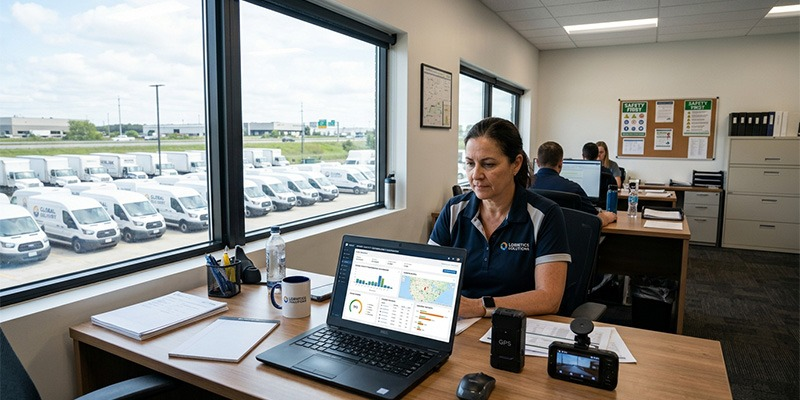
Safety problems rarely start with one major crash. They begin with small, repeated behaviors that go unchecked. A minor speeding here. A harsh brake there. An incomplete report after a close call. Over time, those minor issues turn into expensive claims, insurance pressure, and inconsistent enforcement. We can prevent most of that by building safety policies based on measurable data rather than opinions. When we combine a reliable GPS Tracker with a dash cam with GPS, we gain both behavioral metrics and visual context. That combination allows us to apply standards evenly, coach drivers with clarity, and document decisions consistently. Instead of reacting to incidents after the fact, we create a structured process that strengthens accountability and protects both the company and the driver. Standardization does not mean micromanagement. It means setting clear expectations, measuring them fairly, and using data to support safer outcomes across the fleet.
Key Highlights
- We use driver behavior analytics to replace subjective safety enforcement with measurable standards.
- A combined GPS and dash cam setup enhances fleet safety compliance by providing consistent documentation.
- Clear thresholds for speeding, braking, and idle events support early coaching instead of late discipline.
- Structured driver performance monitoring creates fair scorecards and repeatable review processes.
- Data-driven policies are among the most effective ways to determine how to improve driver safety across a growing fleet.
Why Driver Safety Policies Fail Without Data

Inconsistent Enforcement Creates Risk
Safety policies often sound clear on paper but break down in practice. One supervisor may ignore minor speeding while another writes formal warnings for the same behavior. Some managers react strongly after a customer complaint, while others wait for a serious incident. When enforcement varies, drivers lose confidence in the system.
Standardization requires measurable standards. If we cannot define what counts as a violation and how it will be handled, we cannot enforce policies fairly. This is where fleet safety compliance goes beyond a written rulebook. It becomes a structured process tied to data. Clear metrics create consistent expectations, and consistent expectations are essential for knowing how to improve driver safety without creating frustration.
The Limits of Manual Incident Reporting
Manual reports are incomplete and delayed. Details fade—accounts conflict. When incidents rely solely on memory, decisions become subjective. Drivers may feel blamed without evidence, and managers may hesitate because they lack proof.
A structured driver behavior monitoring system reduces that uncertainty. Instead of waiting for paperwork, we automatically capture objective data. When paired with commercial fleet tracking, we verify routes, timestamps, and stop durations. This reduces disputes and strengthens credibility when coaching or discipline is necessary.
The Role of GPS and Video in Safety Standardization
How GPS Vehicle Tracking Provides Behavioral Context
GPS vehicle tracking supplies the behavioral foundation for safety policy enforcement. It shows speed patterns, route deviations, idle time, and harsh driving events. More importantly, it shows trends over time. A single speeding event during bad weather is different from repeated speeding over the course of a week.
A reliable GPS Tracker enables us to distinguish isolated anomalies from ongoing habits. When safety policies are based on trend thresholds instead of one-off events, enforcement becomes more reasonable. Managers gain context before making decisions, and drivers know that improvement is measured fairly.
Why a Dash Cam with GPS Changes Accountability
A dash cam with GPS adds visual confirmation to behavioral data. GPS indicates a hard-braking event occurred. Video shows whether the driver reacted to sudden traffic or was following too closely. That difference matters for coaching and claims defense.
When we integrate GPS and dash cam systems, accountability improves on both sides. Drivers are protected from false accusations, and managers can verify unsafe behavior without relying on guesswork. A properly deployed fleet dash cam supports standardized review procedures that apply equally to every driver.
Defining Clear Safety Standards Using Data
Establishing Measurable Driving Thresholds
Standardization begins with clear definitions. We define what qualifies as speeding, what counts as harsh braking, and what level of idle time is acceptable. We also describe how many repeated events trigger a coaching review. The key is clarity. Drivers should know the standards and know how performance is evaluated.
This is where driver performance monitoring becomes practical rather than punitive. We focus on specific behaviors tied to risk, not vague expectations. Clear thresholds reduce emotional decision-making and create uniform enforcement.
Creating a Formal Driver Behavior Monitoring System
A complete driver behavior monitoring system includes structured review procedures. We determine how often scorecards are reviewed, who conducts coaching sessions, and how documentation is stored. Escalation policies should follow a predictable pattern: begin with coaching and escalate only when behavior does not improve.
Consistency protects everyone involved. Drivers know what to expect. Managers rely on defined procedures. Leadership gains documentation that supports fleet safety compliance in audits or investigations.
Using Driver Behavior Analytics to Reduce Risk
Identifying High-Risk Patterns Early
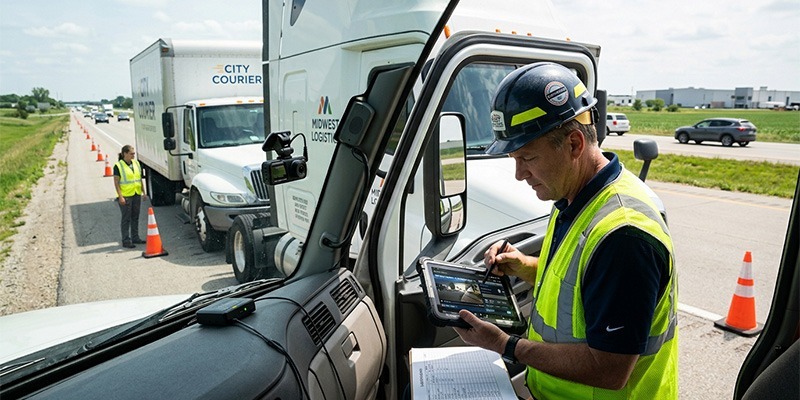
The actual value of driver behavior analytics lies in pattern recognition. Repeated events along certain routes or during specific time windows often reveal underlying risk factors. We may find that particular delivery zones trigger frequent hard braking or that night routes correlate with speeding.
By addressing these patterns early, we reduce the likelihood of significant incidents. This preventive approach directly answers how to improve driver safety without waiting for costly accidents.
Coaching Instead of Punishment
Safety data should guide coaching, not create fear. When we use driver performance monitoring to show trends over time, conversations become constructive. We present baseline data, explain expectations, and agree on improvement goals.
This approach builds credibility. Drivers see that decisions are based on facts, not opinions. Over time, consistent coaching improves safety culture while supporting measurable fleet safety compliance.
Integrating GPS and Dash Cam Systems for Full Visibility
Why Combined Systems Outperform Standalone Tools
GPS alone provides location and behavioral indicators. The video alone shows visual context without route history. Together, they form a complete picture. A combined GPS and dash cam system allows accurate incident reconstruction and faster claims resolution.
For fleets seeking standardized enforcement, this integration ensures that every event is reviewed using the same evidence type. A dash cam for fleets improves the value of GPS vehicle tracking by adding clarity when interpretation matters most.
Standard Operating Procedures for Video Review
Clear review policies prevent misuse. We define which events trigger review, who is authorized to access footage, and how findings are documented. Structured procedures support fleet safety compliance and ensure that data is used responsibly.
A consistent cadence, such as weekly exception reviews and monthly trend summaries, keeps the system manageable and focused on improvement rather than constant monitoring.
Building a Step-by-Step Safety Standardization Framework
Audit Current Safety Policies
We begin by reviewing existing policies and identifying vague standards. If a rule cannot be measured, it should be rewritten. This step strengthens fleet safety compliance and clarifies the company's plan to improve safety.
Deploy the Right GPS Tracker and Dash Cam for Fleets
Hardware reliability is critical. A dependable GPS Tracker ensures accurate behavioral data. A quality dash cam for fleets captures clear footage when triggered. A dash cam with GPS simplifies documentation by automatically linking location and video.
Establish Monitoring and Reporting Cadence
Data becomes meaningful when reviewed consistently. Weekly safety summaries highlight recent trends. Monthly reviews assess progress. Structured driver behavior analytics ensures that safety improvement becomes routine rather than reactive.
Train Drivers and Managers on Transparency
Successful adoption depends on communication. Drivers must know how GPS vehicle tracking and video are used. Managers must apply policies consistently. Transparency reduces resistance and builds trust in the monitoring system.
Strengthening Fleet Safety Compliance and Legal Protection

Documentation and Policy Enforcement
Reliable documentation supports consistent enforcement. With structured commercial fleet tracking and defined review procedures, coaching sessions are recorded clearly. This documentation strengthens fleet safety compliance and demonstrates due diligence in the event of questions.
Insurance and Claims Defense
Claims often hinge on evidence. A dash cam with GPS provides time-stamped footage that clarifies the fault. Combined with route history from GPS and dash cam systems, fleets can respond to incidents quickly and accurately. Faster resolution reduces operational disruption and exposure.
Measuring ROI from Driver Safety Standardization
Return on investment appears in multiple forms. Fewer incidents mean fewer repairs and reduced downtime. Stronger documentation reduces dispute resolution time. Structured driver performance monitoring improves accountability and reduces repeat violations. Over time, consistent enforcement improves overall operational consistency across commercial fleet tracking environments.
Common Mistakes When Implementing GPS and Video Policies
One mistake is tracking too many metrics without defining clear standards. Another is using data only after serious incidents, rather than for early intervention. A third is poor communication. Without transparency, drivers may view monitoring as punitive rather than protective. Standardization works best when expectations are clear, thresholds are measurable, and reviews are consistent.
Wrapping Up
Driver safety becomes sustainable when expectations are measurable, and enforcement is consistent. A reliable GPS Tracker provides behavioral data, a dash cam with GPS supplies visual context, and together, the GPS and dash cam approach strengthen fleet safety compliance across the organization. When we define thresholds, consistently review trends, and coach based on evidence, we reduce risk while protecting drivers and the business. If you are ready to implement a structured safety framework backed by reliable tracking and camera technology, Tracker Systems can help you deploy integrated solutions that enable consistent policy enforcement and long-term operational safety.
FAQs
1. How does a dash cam with GPS improve driver accountability?
A dash cam with GPS connects video footage to location and time data. When paired with GPS and dash cam systems, it allows managers to review events with clear context and reduces disputes about what occurred.
2. What metrics should be included in a driver behavior monitoring system?
A comprehensive driver behavior monitoring system typically tracks speeding, harsh braking, aggressive acceleration, and idle patterns. Combined with driver performance monitoring, these metrics support fair and consistent safety reviews.
3. How can GPS vehicle tracking improve fleet safety compliance?
GPS vehicle tracking documents routes, timestamps, and behavioral events. This data supports structured reviews and strengthens fleet safety compliance by creating reliable documentation.
4. How do you improve driver safety without damaging morale?
We improve morale by using driver behavior analytics for trend-based coaching rather than surprise punishment. Clear standards and consistent reviews create fairness and transparency.
5. Are dash cam systems necessary for commercial fleet tracking?
A dash cam for fleets is not mandatory, but significantly strengthens commercial fleet tracking by adding visual evidence to behavioral data, improving accountability and claims defence.
Recent Posts
-

How GPS Tracking Helps Businesses Meet Fleet Compliance and Regulatory Requirements
One missed 30-minute break. One unlogged mile. That is sometimes all it takes to trigger a roadside …Oct 12th 2026 -

Calculating the ROI of GPS Fleet Tracking for Your Business
Every GPS tracking vendor will tell you that their product pays for itself. Search around, and you w …Oct 5th 2026 -

How GPS Tracking Helps Electrical Contractors Manage Multiple Crews
An electrical contractor running four crews across four job sites is effectively managing four separ …Sep 28th 2026