
Reducing Empty Miles - How GPS Tracking Improves Route Planning
Empty miles are one of the highest hidden costs in fleet operations. Industry estimates show that 15% to 35% of total fleet mileage generates no revenue, yet still consumes fuel, driver time, and vehicle wear. For businesses managing transportation, logistics, or delivery fleets, this inefficiency directly impacts profitability.
The solution is not just better planning on paper. It lies in GPS fleet tracking combined with fleet route optimization, enabling businesses to make smarter, real-time decisions. Instead of relying on static routes, companies can dynamically adjust movements, assign jobs based on proximity, and actively reduce fleet fuel costs while improving overall efficiency.
This shift from reactive planning to data-driven routing is what separates average fleet operations from high-performing ones. The focus is no longer just on tracking vehicles, but on using tracking data to eliminate waste and maximize every mile.
What Are Empty Miles in Fleet Operations?
Empty miles, also known as deadhead miles, refer to the distance a vehicle travels without carrying goods or passengers or generating revenue. These miles often occur during return trips, repositioning between jobs, or due to inefficient dispatch planning.
In simple terms, empty miles represent lost opportunity.
Why Empty Miles Are a Major Cost Problem
Empty miles are more than just an operational inconvenience. They create measurable financial and performance issues across the fleet-
Fuel Waste
Vehicles consume fuel regardless of whether they are carrying cargo. High levels of empty miles directly increase fuel expenses without contributing to revenue.
Driver Inefficiency
Drivers spend time on unproductive trips, reducing the number of jobs they can complete within a shift.
Reduced Fleet Productivity
When vehicles are not utilized effectively, overall fleet productivity drops, limiting growth and profitability.
For businesses operating at scale, even a small reduction in empty miles can translate into significant cost savings.
How GPS Fleet Tracking Enables Route Optimization
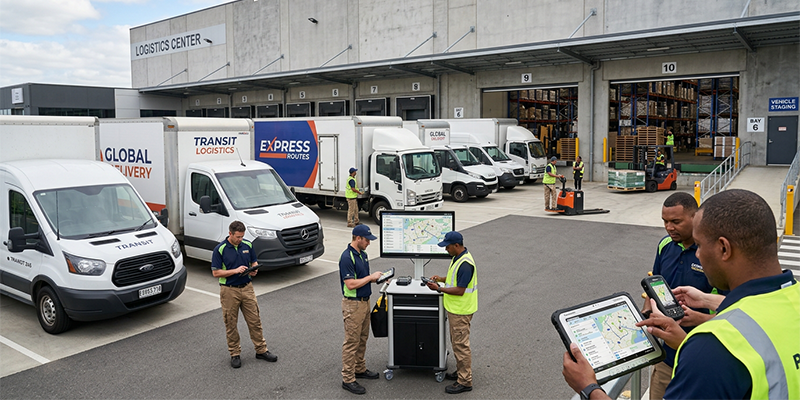
To address empty miles effectively, fleets need visibility and control. This is where GPS fleet tracking becomes critical.
Each vehicle's GPS tracking device continuously collects location data and transmits it to a centralized system. This data is then processed through fleet management software, which provides real-time insights into vehicle movement, route efficiency, and operational patterns.
This system enables:
- Continuous fleet visibility
- Live route tracking and updates
- Centralized control for dispatchers
- Historical data for performance analysis
Instead of relying on assumptions or outdated route plans, managers can now make decisions based on accurate, real-time data.
How GPS Tracking Improves Route Planning
Real-Time Fleet Visibility
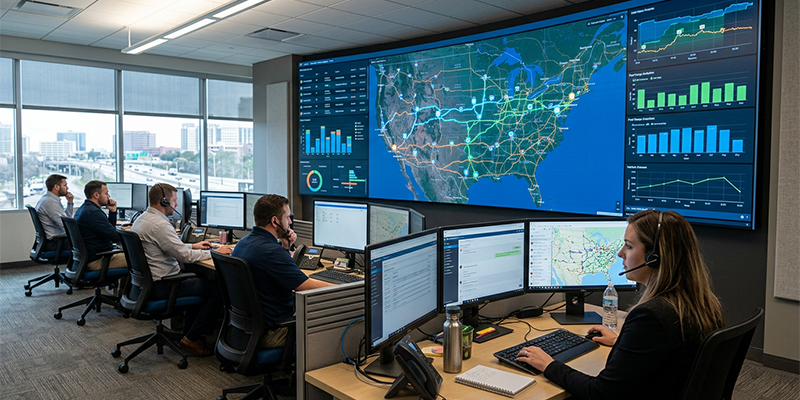
Real-time fleet visibility allows dispatchers to see exactly where every vehicle is at any moment. This changes how routing decisions are made.
Instead of assigning jobs based on schedules alone, dispatchers can:
- Allocate tasks to the nearest available vehicle
- Avoid unnecessary detours
- Reduce idle time
This immediate awareness helps prevent empty return trips and ensures better coordination across the fleet.
Smart Route Optimization
Modern systems use fleet route optimization algorithms to determine the most efficient paths for vehicles. These systems consider multiple factors, including:
- Traffic conditions
- Road restrictions
- Delivery windows
- Distance and fuel consumption
This GPS fleet-tracking route-optimization ensures that vehicles follow routes that minimize time and distance, rather than relying on manual planning.
Compared to traditional routing methods, optimized routes consistently outperform manual decisions, especially in complex logistics environments.
Reducing Empty Return Trips
One of the biggest contributors to empty miles is the lack of backhaul planning. Vehicles often complete a delivery and return empty due to poor coordination.
With logistics route optimization, businesses can:
- Match outbound and return loads
- Assign nearby pickups after deliveries
- Coordinate routes across multiple vehicles
This approach transforms empty return trips into revenue-generating opportunities. Instead of a vehicle returning unused, it becomes part of a continuous, optimized workflow.
Driver Behavior Monitoring
Driver performance plays a major role in route efficiency. Through driver behavior monitoring, companies can track:
- Speeding
- Idling
- Harsh braking
- Route deviations
These behaviors directly impact fuel consumption and route efficiency.
By addressing these patterns, businesses can improve routing outcomes and further reduce fleet fuel costs. Drivers who follow optimized routes and maintain consistent driving habits contribute significantly to overall efficiency.
Data-Driven Decision Making
GPS systems generate valuable historical data that supports long-term improvements.
Fleet managers can analyze:
- Frequently inefficient routes
- High idle zones
- Peak congestion periods
- Underutilized vehicles
This data enables better, time-varying route optimization for fleets, helping businesses refine strategies and continuously improve operations.
Types of GPS Tracking and Fleet Management Tools
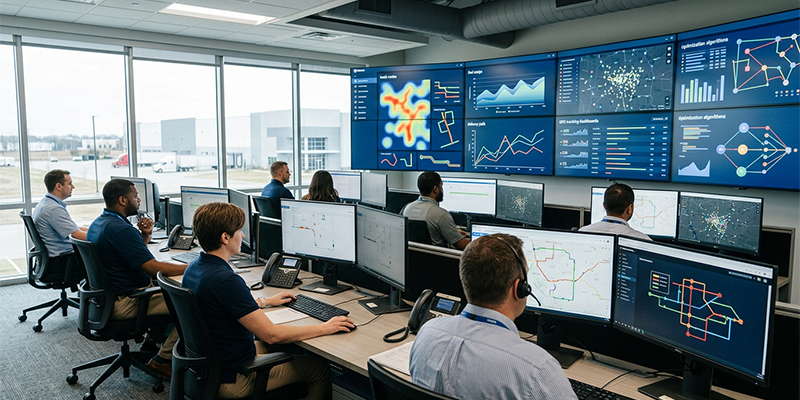
Not all tracking systems offer the same capabilities. Choosing the right tools to achieve meaningful results.
Basic GPS Tracking Devices
A standard GPS tracking device provides location data and basic tracking features. While useful for visibility, it offers limited optimization capabilities.
Advanced Fleet Management Software
More advanced systems combine tracking with analytics, reporting, and route planning tools. These platforms support:
- Real-time decision making
- Automated routing
- Driver performance tracking
Integrated Systems
Fully integrated solutions combine tracking, routing, and operational insights into a single platform. These systems deliver the full benefits of GPS, including improved efficiency, cost control, and scalability.
For businesses aiming to reduce empty miles, advanced or integrated systems are the most effective choice.
Key Benefits of GPS Fleet Route Optimization
Reduce Fleet Fuel Costs
Optimized routes minimize unnecessary travel, reduce idle time, and eliminate inefficient driving patterns. This directly reduces fleet fuel costs, which are one of the largest operational expenses in fleet management.
Increase Fleet Productivity
Efficient routing allows vehicles to complete more tasks within the same timeframe. This leads to improved fleet productivity, enabling businesses to handle higher volumes without increasing fleet size.
Improve Fleet Visibility
With real-time tracking, managers gain complete fleet visibility, allowing them to respond quickly to delays, disruptions, or changes in demand.
Better Resource Utilization
Reducing empty miles ensures that vehicles, drivers, and fuel are used more effectively. This improves overall operational efficiency and supports better financial performance.
How Businesses Use GPS for Route Optimization
Different industries benefit from fleet route optimization in unique ways.
Logistics and Transportation
Logistics and transportation companies use optimized routing to manage large fleets across multiple delivery zones. GPS data helps dispatchers reduce empty miles, assign better return loads, and avoid inefficient routes. This improves delivery timelines, reduces fuel waste, and helps companies keep vehicles productive throughout the day.
Delivery Services
Delivery services rely on real-time tracking to manage tight schedules, changing customer locations, and last-minute order updates. With GPS tracking, dispatchers can assign jobs to the closest available driver, avoid unnecessary travel, and improve delivery speed. This is especially useful for last-mile operations with high daily route volume.
Field Service Businesses
Field service businesses use GPS tracking to schedule technicians, service vehicles, and mobile teams more efficiently. Instead of sending workers across long distances, managers can assign appointments based on location and availability. This reduces travel time between jobs, improves response times, and allows teams to complete more service calls each day.
In each case, the goal remains the same- to maximize efficiency and minimize wasted movement.
How to Implement GPS Fleet Route Optimization
Step 1- Choose the Right System
Select a system that supports GPS fleet tracking, route optimization, live vehicle tracking, route analytics, and detailed reporting. The right platform should help managers identify inefficient routes, empty miles, fuel waste, and driver performance issues. It should also be simple enough for dispatchers and drivers to use daily.
Step 2- Install GPS Tracking Devices
Equip each vehicle with a reliable GPS tracking device to collect accurate location, mileage, speed, and movement data. Proper installation ensures consistent tracking across the fleet. Once connected, the device sends real-time information to the fleet platform, giving managers the visibility needed to plan better routes.
Step 3- Configure Routes and Rules
Set up routing preferences, service areas, delivery zones, geofencing rules, and operational guidelines inside the system. This helps the software recommend better routes based on actual business needs. Clear rules also make it easier to avoid unnecessary trips, stay out of restricted areas, and maintain consistent routes.
Step 4- Train Your Team
Train drivers, dispatchers, and fleet managers on how to use the system correctly. Drivers should know route updates, alerts, and performance expectations, while dispatchers should know how to adjust routes in real time. Proper training ensures the technology is used consistently rather than treated as another dashboard.
Step 5- Monitor and Optimize
Review route reports, fuel usage, idle time, driver behavior, and empty mile patterns regularly. Continuous monitoring gives you insight into a clear picture of where routes are working and where they still need improvement. Over time, this process strengthens fleet management route optimization strategies and helps the business reduce waste while improving daily fleet performance.
Common Fleet Routing Mistakes to Avoid
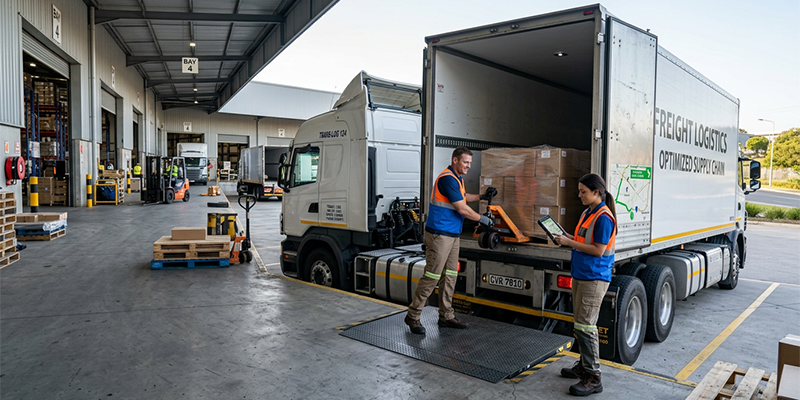
Even with technology in place, certain mistakes can limit results:
No Real-Time Tracking
Relying only on static routes limits your ability to respond to delays, traffic, cancellations, or last-minute job changes. Without real-time tracking, dispatchers cannot redirect nearby vehicles or prevent unnecessary return trips. This often increases empty miles, fuel usage, and delivery delays across the fleet.
Poor Planning
Without proper route analysis, fleets may continue using outdated routes that look convenient on paper but waste time in practice. Poor planning leads to overlapping routes, missed backhaul opportunities, and higher operating costs. Regularly reviewing route data helps reduce unnecessary miles and improve daily fleet performance.
Ignoring Driver Behavior
Driver habits can quietly increase routing costs. Speeding, excessive idling, harsh braking, and route deviations all affect fuel use and delivery timing. If these patterns are not monitored, even well-planned routes may underperform. Driver behavior monitoring helps improve accountability, reduce waste, and support better fleet efficiency.
Avoiding these mistakes is essential for achieving meaningful improvements.
In Summary
Empty miles represent a significant but solvable challenge in fleet operations. By adopting GPS fleet tracking and focusing on logistics route optimization, businesses can turn inefficiency into opportunity.
The key lies in combining real-time data, smart routing, and continuous improvement. This approach not only helps reduce fleet fuel costs but also improves fleet visibility, uplifts decision-making, and increases overall performance.
For companies looking to improve margins and operational efficiency, selecting the right tools and strategies is no longer optional.
Check out advanced solutions from Tracker Systems to improve route planning, reduce empty miles, and build a more efficient fleet operation.
FAQs
1. What is fleet route optimization?
Fleet route optimization is the process of planning efficient routes for vehicles to minimize travel time, reduce fuel consumption, and improve delivery performance using real-time data.
2. How does GPS fleet tracking reduce empty miles?
GPS tracking provides real-time vehicle location data, allowing dispatchers to assign nearby jobs and avoid unnecessary return trips.
3. What are the benefits of GPS tracking for fleets?
The benefits of GPS include improved route planning, better fleet visibility, reduced fuel costs, and improved driver accountability.
4. How does driver behavior monitoring improve routing?
Driver behavior monitoring tracks patterns like speeding and idling, helping improve efficiency and support better routing decisions.
5. What does fleet management software in route optimization do?
Fleet management software integrates tracking, analytics, and routing tools to automate decisions and improve logistics efficiency.
6. Can GPS tracking reduce fleet fuel costs?
Yes, optimized routes and reduced idle time help significantly reduce fuel consumption and overall costs.
7. What types of GPS tracking devices are used in fleets?
Fleets use basic tracking devices, advanced telematics systems, and integrated platforms depending on their needs.
8. How does fleet visibility impact logistics performance?
Fleet visibility allows real-time monitoring, enabling faster decisions and more efficient operations.
Recent Posts
-
How GPS Tracking Helps Businesses Meet Fleet Compliance and Regulatory Requirements
One missed 30-minute break. One unlogged mile. That is sometimes all it takes to trigger a roadside …Oct 12th 2026 -

Calculating the ROI of GPS Fleet Tracking for Your Business
Every GPS tracking vendor will tell you that their product pays for itself. Search around, and you w …Oct 5th 2026 -

How GPS Tracking Helps Electrical Contractors Manage Multiple Crews
An electrical contractor running four crews across four job sites is effectively managing four separ …Sep 28th 2026