
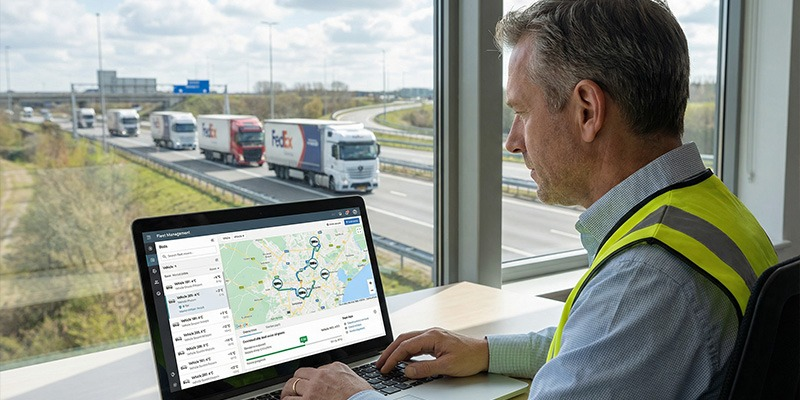
Top Industries That Benefit from GPS Linked Temperature Monitoring
In today's fast paced world, industries that handle temperature sensitive goods rely heavily on accurate, real time temperature monitoring. Whether transporting food, pharmaceuticals, or chemicals, maintaining proper temperature control is critical to ensure safety, quality, and compliance. GPS linked temperature monitoring solutions have revolutionized how businesses manage their temperature sensitive products, enabling remote, real time monitoring. With advanced systems like temperature tracker, companies can seamlessly track their goods, ensuring they stay within optimal temperature ranges. Reefer temp monitoring is vital for industries like food distribution, healthcare, and chemical transport, where temperature fluctuations can lead to spoilage, contamination, or even dangerous reactions. Let us find out about how various industries benefit from GPS linked temperature monitoring and how Tracker Systems provides the ideal solutions to meet their needs.
Importance of Remote Temperature Monitoring
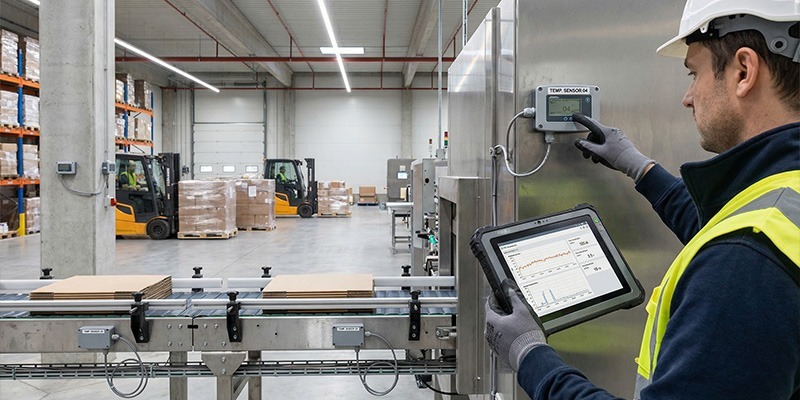
Here’s why remote temperature monitoring is an essential technology for many industries today
Ensuring Product Safety and Quality
The importance of remote temperature monitoring has never been more critical in today’s fast paced business environment. As industries increasingly rely on the global supply chain, maintaining the correct temperature for products during transport and storage has become a vital part of operations. Without effective monitoring systems, companies risk damaging their products, losing revenue, and facing regulatory fines. Remote temperature monitoring ensures that products such as food, pharmaceuticals, and chemicals remain at the right temperature throughout their journey, preventing spoilage, contamination, or inefficiency.
Real Time Temperature Tracking
One significant advantage of remote temperature monitoring is the ability to monitor temperature fluctuations in real time. This technology allows businesses to respond quickly if the temperature deviates from the required range, minimizing the risk of spoilage or contamination. For example, in the food and beverage industry, a temperature anomaly can lead to product spoilage, resulting in wasted goods and lost revenue. In the pharmaceutical industry, temperature breaches during transportation or storage could compromise the integrity of medications, potentially harming patients and resulting in costly recalls.
Reefer Temperature Monitoring
Reefer temp monitoring is especially crucial in industries that rely on refrigerated transport, such as the food, pharmaceutical, and chemical sectors. In these industries, even minor temperature fluctuations can lead to catastrophic outcomes. In food distribution, improper temperature control can lead to spoilage, compromising product quality and consumer safety. Similarly, in pharmaceutical distribution, a slight deviation in temperature can cause medications and vaccines to lose efficacy, putting patients at risk and leading to costly legal and regulatory consequences.
Operational Efficiency and Compliance
Remote temperature monitoring also improves operational efficiency. With GPS linked monitoring systems, businesses can track their products' temperatures without being physically present, saving valuable time and minimizing human error. Additionally, these systems help companies to ensure compliance with industry regulations by providing auditable, real time data. This data can be used for reporting, audits, and improving overall process management.
Reliable Monitoring Solutions
Systems like the Budget Temperature Tracker and the Rugged Durable GPS Trailer Tracker offer businesses the tools they need to stay on top of temperature control. These remote monitoring solutions provide real time updates and alerts, enabling enterprises to manage their temperature sensitive goods proactively. By using these advanced monitoring systems, companies across industries can ensure product safety and quality, reduce risks, and remain compliant with industry regulations.
1. Food and Beverage Distribution
The food and beverage industry depends mainly on temperature control. Products such as frozen foods, dairy, and fresh produce can spoil quickly if not kept at the proper temperature during transport. The importance of maintaining a consistent, optimal temperature in the supply chain cannot be overstated.
Reefer temperature monitoring is a vital part of the food distribution process, ensuring refrigerated trailers or containers remain at the correct temperatures while on the road. By using real time temperature monitoring systems like Tracker Systems' Rugged Durable GPS Trailer Tracker, food distributors can continuously monitor the conditions of their products. This ensures compliance with safety regulations, reduces spoilage, and prevents costly recalls.
Tracker Systems also offers the Budget Temperature Tracker, a cost effective solution for businesses that need to track temperatures without sacrificing reliability. This system can monitor temperature sensitive products such as beverages, frozen goods, and perishables, ensuring they arrive at their destination in optimal condition.
2. Healthcare & Pharmaceutical
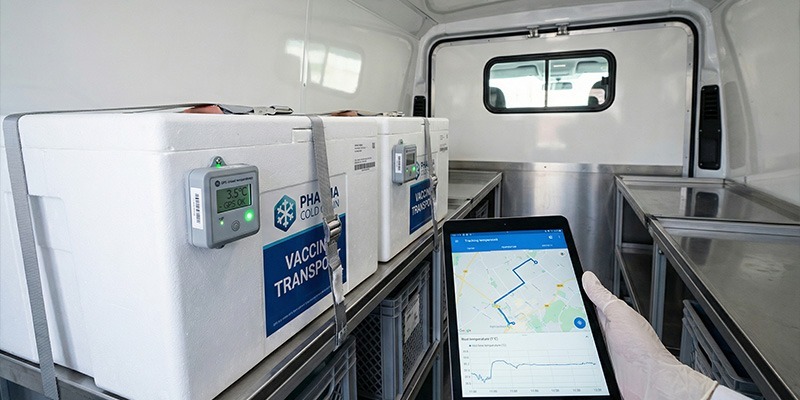
In the healthcare and pharmaceutical industries, temperature control is even more critical. Many medications, vaccines, and medical supplies are susceptible to temperature fluctuations. If the temperature is too high or too low, the efficacy of these products can be compromised, leading to severe consequences for patients. Regulatory bodies like the FDA require that pharmaceutical products be transported and stored within a specific temperature range to ensure their safety and effectiveness.
Pharmaceutical temperature monitoring systems from Tracker Systems are designed to help companies meet these strict requirements. Remote temperature monitoring solutions enable healthcare providers and pharmaceutical distributors to monitor their products' temperatures in real time. For example, Tracker Systems' Budget Temperature Tracker provides a simple yet reliable solution for monitoring reefer containers transporting vaccines, medications, and other temperature sensitive products during transportation or storage.
By using remote temperature monitoring systems, companies can maintain the product quality, ensuring they are safe for patient use and compliant with regulations.
3. Chemical Transport
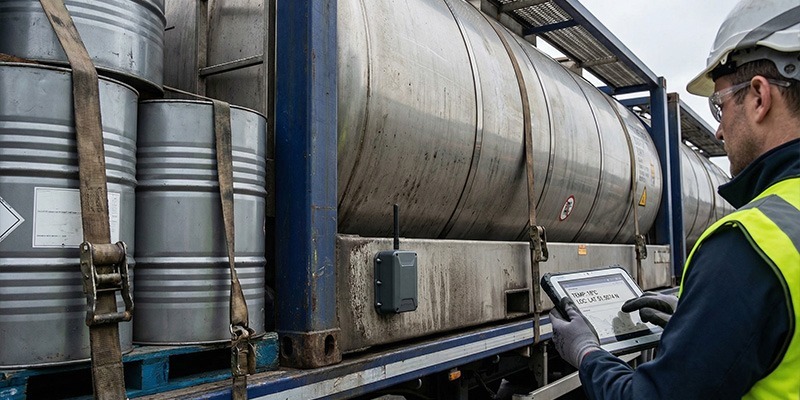
Chemical transportation poses unique challenges for temperature control. Many chemicals are volatile and can react dangerously if exposed to incorrect temperatures. Whether transporting hazardous chemicals, pharmaceuticals, or industrial materials, it is essential to monitor their temperatures to prevent accidents and maintain product integrity.
Industrial temperature monitoring systems, such as those offered by Tracker Systems, help chemical transport companies ensure the safe handling of temperature sensitive chemicals. By using real time temperature monitoring and sensors, companies can track their shipments and respond quickly to any temperature anomalies.
The Rugged Durable GPS Trailer Tracker is an ideal solution for chemical transport companies, providing a durable, reliable system for tracking both temperature and location. This product is particularly valuable in industries where safety is a top concern, as it enables continuous data collection to ensure that chemicals are transported in the safest conditions possible.
4. Cold Chain Logistics & Supply Chain Visibility
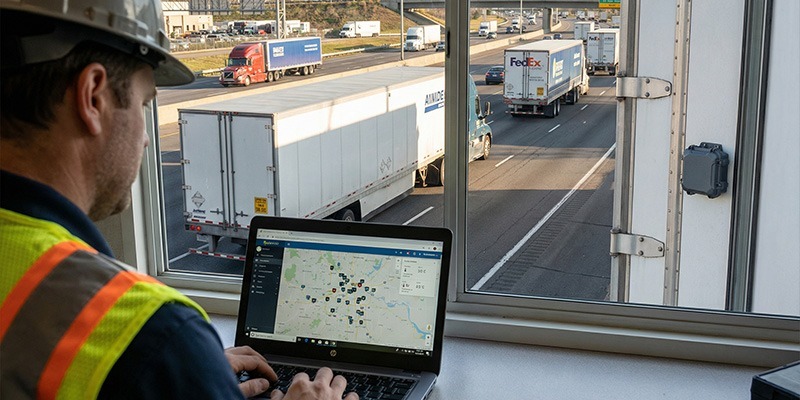
Maintaining cold chain integrity throughout the supply chain is essential for businesses handling temperature sensitive products. From warehouses and distribution centers to cross docking facilities and last mile delivery, every stage must maintain precise temperature control to prevent spoilage, contamination, or product degradation.
GPS linked temperature monitoring systems provide full supply chain visibility by enabling companies to track shipments' locations and temperatures in real time. This ensures that goods remain within required temperature ranges at every checkpoint. If a temperature deviation occurs during transit or temporary storage, instant alerts allow logistics teams to take corrective action before product quality is compromised.
Solutions from Tracker Systems enable businesses to monitor reefer containers, storage facilities, and shipments across multiple locations from a centralized dashboard. This improves operational transparency, strengthens cold chain compliance, and reduces financial losses caused by damaged goods.
For businesses seeking a cost effective option, the Budget Temperature Tracker offers reliable monitoring and real time alerts with minimal installation, making it suitable for small and medium sized logistics operations.
6. Other Industries Benefiting from GPS Linked Temperature Monitoring
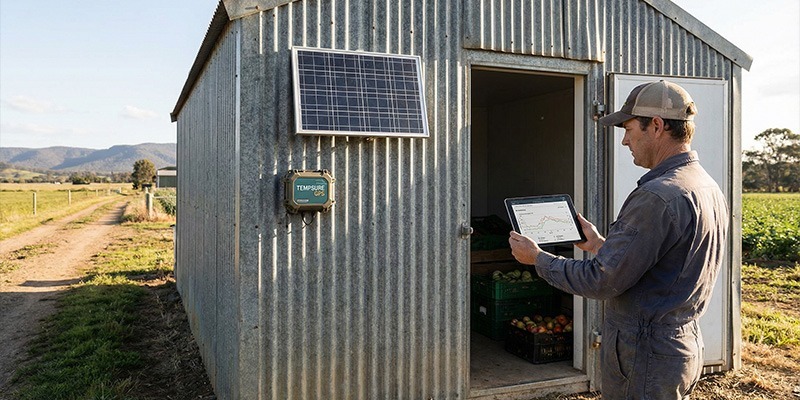
In addition to the primary industries mentioned, GPS linked temperature monitoring systems are also valuable across many other sectors. For instance, agricultural businesses can use these systems to monitor the temperature of harvested crops, ensuring they remain fresh during transport. Logistics companies also benefit from real time temperature monitoring throughout the supply chain.
Tracker Systems' solutions, such as remote and real time temperature monitoring devices, can be tailored to a wide range of industries to meet specific needs. With their ability to monitor temperatures remotely and in real time, Tracker Systems provides peace of mind to businesses that depend on temperature sensitive products.
Future of Remote Temperature Monitoring Devices
The future of remote temperature monitoring devices is poised to be shaped by rapid technological advancements, offering businesses even more precise, efficient, and scalable solutions. With the increasing demand for real time data across industries such as food distribution, pharmaceuticals, and chemical transport, remote temperature monitoring systems will evolve to offer more advanced features. These devices will likely integrate AI powered analytics to predict temperature deviations before they happen, further improving risk management and response time.
In the coming years, remote temperature monitoring systems will become more interconnected with other technologies such as IoT (Internet of Things) and cloud based platforms, enabling seamless data sharing and collaboration across supply chains. By using GPS linked temperature monitoring systems, businesses have thorough insights into their operations, helping them optimize delivery routes, manage inventory, and improve product quality control. These systems will evolve to feature advanced sensors that provide greater accuracy and durability, making them more reliable in extreme environments.
One of the key drivers for the future of remote temperature monitoring is the increasing focus on sustainability and energy efficiency. As businesses try to reduce their carbon footprint, these devices will incorporate features such as energy efficient temperature control and automated alerts for underutilized refrigeration units. Additionally, as industries demand higher regulatory standards and stricter compliance requirements, remote temperature monitoring devices will become a necessity in maintaining safety, quality, and operational standards.
The integration of real time temperature monitoring will continue to offer significant competitive advantages, allowing companies to respond quickly to temperature anomalies, reduce spoilage, and prevent product losses. As demand for temperature sensitive goods rises, the role of remote temperature monitoring will only grow, driving innovation in device technology and its application across industries.
FAQ
1. What industries benefit the most from remote temperature monitoring devices?
Remote temperature monitoring devices are crucial for industries that transport or store temperature sensitive goods. These include the food and beverage, pharmaceuticals, chemical transport, healthcare, and logistics industries. For instance, food distributors use GPS linked temperature systems to prevent spoilage, while pharmaceutical companies rely on them to ensure the safety and efficacy of medications and vaccines during transport. These devices are also critical in industries that handle chemicals and industrial materials, where temperature deviations can pose safety hazards or cause product degradation.
2. How do remote temperature monitoring devices work?
Remote temperature monitoring devices track the temperature of goods in real time using sensors and GPS. These devices are typically connected to a cloud based platform, where temperature data is continuously uploaded and monitored. When a temperature anomaly occurs, businesses receive instant alerts, enabling them to take corrective action immediately. The devices can be installed on refrigerated trailers, storage units, or vehicles, providing seamless, continuous monitoring without manual checks.
3. Can GPS linked temperature monitoring systems send alerts?
Yes. Most systems provide automated alerts via SMS, email, or app notifications when temperatures go outside preset limits. This allows immediate corrective action to prevent spoilage or damage.
4. How do these systems reduce financial losses?
By providing real time monitoring and instant alerts, businesses can quickly address temperature issues before products are compromised. This reduces spoilage, waste, rejected shipments, and potential legal penalties.
5. What are the advantages of real time tracking compared to manual checks?
Real time tracking eliminates the need for frequent manual inspections. It reduces human error, saves time, ensures continuous monitoring, and provides instant data access from anywhere.
6. Can remote temperature monitoring systems help with regulatory compliance?
Yes, remote temperature monitoring systems play a vital role in ensuring compliance with industry regulations. For example, the FDA and other regulatory bodies require specific temperature controls for the transportation and storage of food and pharmaceuticals. These systems provide auditable records, enabling businesses to document compliance. They help ensure that goods are kept within the required temperature ranges, reducing the risk of regulatory penalties and ensuring product safety.
7. What types of temperature monitoring systems are available from Tracker Systems?
Tracker Systems offers a range of temperature monitoring solutions, including the Budget Temperature Tracker and the Rugged Durable GPS Trailer Tracker. The Budget Temperature Tracker is a cost effective solution for businesses seeking to monitor temperature sensitive products without breaking the bank. The Rugged Durable GPS Trailer Tracker, on the other hand, is designed for harsher environments, making it ideal for industries that need robust, reliable performance under demanding conditions. Both devices provide real time data and alerts to help businesses maintain the safety and quality of their products.
Wrapping Up
GPS linked temperature monitoring is a game changer for industries that depend on maintaining optimal temperature conditions for their products. From food and beverage distribution to healthcare, pharmaceuticals, chemical transport, and beyond, remote temperature monitoring systems play a significant role in ensuring the safety, quality, and compliance of temperature sensitive goods.
Tracker Systems offers a variety of solutions, such as the Budget Temperature Tracker and the Rugged Durable GPS Trailer Tracker, that cater to the unique needs of different industries. With these products, businesses can monitor their products in real time, reduce the risk of spoilage or damage, and ensure regulatory compliance.
If you're looking for a reliable way to monitor temperature sensitive products, go through our range of remote temperature monitoring solutions.
Stay ahead of temperature fluctuations with Tracker Systems' superior solutions. Invest in our Budget Temperature Tracker and Rugged Durable GPS Trailer Tracker today to ensure the safety and quality of your products.
Recent Posts
-

How GPS Tracking Helps Businesses Meet Fleet Compliance and Regulatory Requirements
One missed 30-minute break. One unlogged mile. That is sometimes all it takes to trigger a roadside …Oct 12th 2026 -

Calculating the ROI of GPS Fleet Tracking for Your Business
Every GPS tracking vendor will tell you that their product pays for itself. Search around, and you w …Oct 5th 2026 -

How GPS Tracking Helps Electrical Contractors Manage Multiple Crews
An electrical contractor running four crews across four job sites is effectively managing four separ …Sep 28th 2026