
GPS Tracking Guides for Fleets, Trailers & Assets
Straight answers on GPS tracker selection, installation, ROI, and industry-specific use cases — from trailer tracking and fleet dispatch to dashcams and satellite coverage.
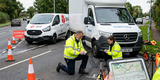
What Happens After a Fleet Accident? How GPS & Video Data Help Investigations
Fleet accidents can create more than vehicle damage. They can lead to driver disputes, delivery delays, insurance claims, legal issues, cargo problems, and lost customer trust. For fleet managers, the hardest part is often not knowing exactly what happened in the minutes before and after the crash.
Traditional accident investigation often depends on driver statements, eyewitness accounts, police reports, and photos from the scene. These sources are useful, but they can also be incomplete or conf
…
Jul 1st 2026

Managing Mixed Fleets Vehicles, Trailers, and Equipment in One Platform
Managing a fleet is no longer just about knowing where vehicles are. Many businesses now manage service vans, trucks, trailers, generators, compressors, containers, yellow iron, and other field assets simultaneously. When each asset type is tracked separately, managers lose the full picture of daily operations.
A mixed fleet creates a different challenge. Vehicles move with drivers. Trailers may sit detached for days. Equipment may move between job sites, remain idle, or operate without a direct
…
Jun 24th 2026
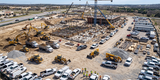
Improving Jobsite Coordination with Real-Time Fleet Visibility
Construction jobsites depend on timing. Crews, trucks, machines, trailers, materials, and supervisors all need to move in the right order. When one part of that chain is delayed, the entire workday can slow down. A crew may arrive before the right machine is available. A truck may take the wrong route. A supervisor may spend valuable time calling drivers instead of managing the site.
This is where real-time fleet visibility becomes important. Instead of relying only on calls, texts, paper logs,
…
Jun 17th 2026

Signs Your Business Needs to Upgrade Its GPS Tracking System
A GPS Tracking System is no longer just a tool for location tracking. It has become a core part of how modern businesses manage operations, reduce costs, and improve efficiency. If you are managing vehicles, assets, or field teams, you may already be relying on GPS data, whether you realize it or not.
So, why is GPS important today? Because every decision, from route planning to driver accountability, depends on accurate and real-time information. Businesses using outdated systems often struggle
…
Jun 1st 2026

Reducing Empty Miles - How GPS Tracking Improves Route Planning
Empty miles are one of the highest hidden costs in fleet operations. Industry estimates show that 15% to 35% of total fleet mileage generates no revenue, yet still consumes fuel, driver time, and vehicle wear. For businesses managing transportation, logistics, or delivery fleets, this inefficiency directly impacts profitability.
The solution is not just better planning on paper. It lies in GPS fleet tracking combined with fleet route optimization, enabling businesses to make smarter, real-time d
…
May 25th 2026